2026-27 College Football Playoff Guide: How the 12-Team Format Works
RedZoneHQ Staff · Aug 24, 2026
2026-27 College Football Playoff Guide: How the 12-Team Format Works The College Football Playoff enters the 2026-27 season with something fans now understand better than they did during the first year of expansion: twel…
2026-27 College Football Playoff Guide: How the 12-Team Format Works
The College Football Playoff enters the 2026-27 season with something fans now understand better than they did during the first year of expansion: twelve teams means more meaningful late-season games, more paths into the national-title race and a postseason that begins on campus before moving into the major bowls. The format is still new enough, however, that questions about selection, seeding, byes, first-round sites and the championship path remain common.
For 2026-27, the College Football Playoff Management Committee elected to retain the 12-team format rather than move immediately to another expansion model. That decision gives teams, conferences and fans another season to evaluate how the expanded bracket works while discussions about the future continue.
This guide explains the current 12-team College Football Playoff in practical terms, what matters on Selection Day, how campus games work, why seeding is strategically important and what fans should watch as the 2026 season develops. Because postseason structures can change, the authoritative reference is the College Football Playoff's official 2026-27 format announcement.
The Big Picture: Twelve Teams, Four Rounds
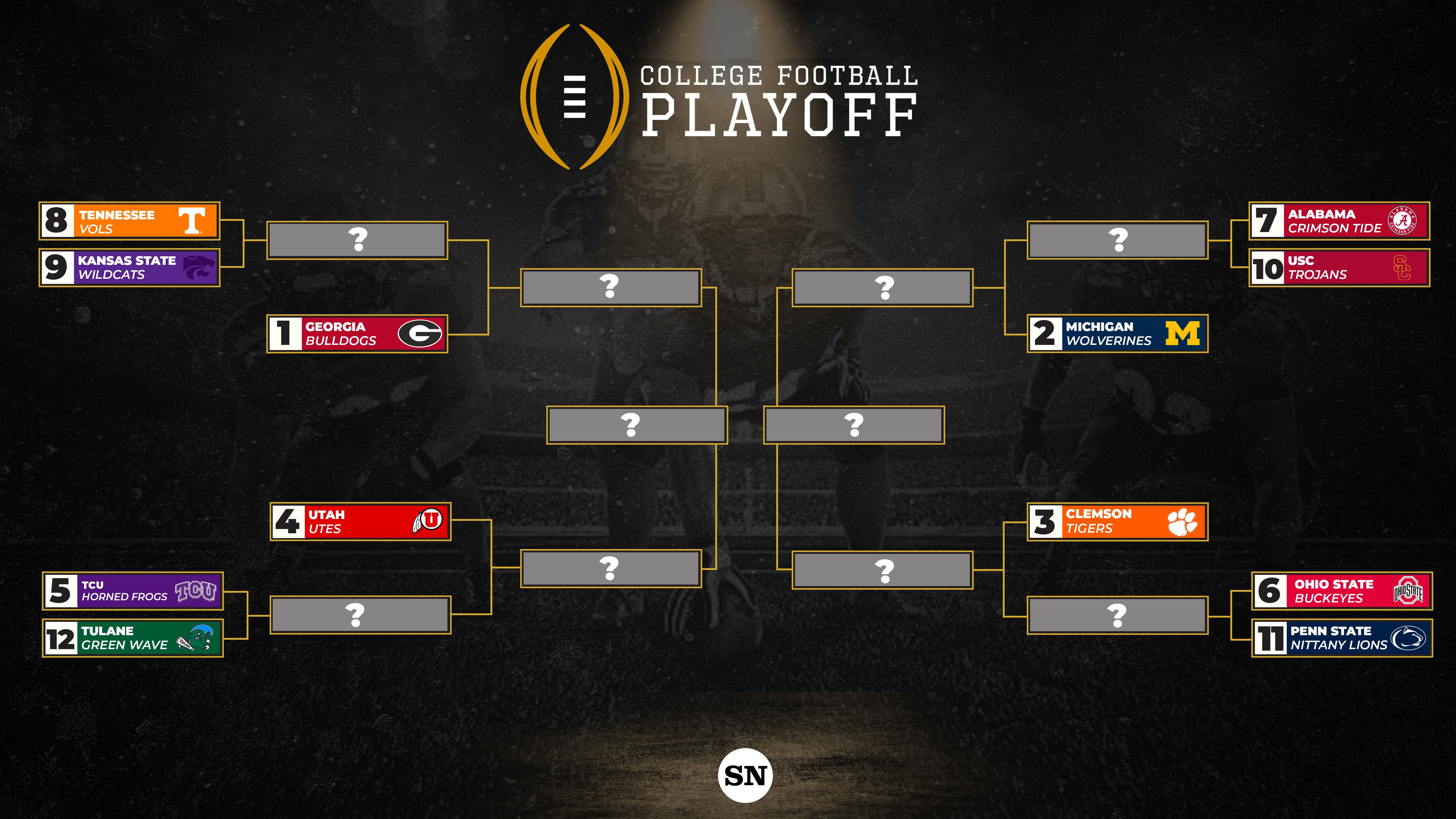
The 12-team format creates a four-round championship path for teams that begin in the first round.
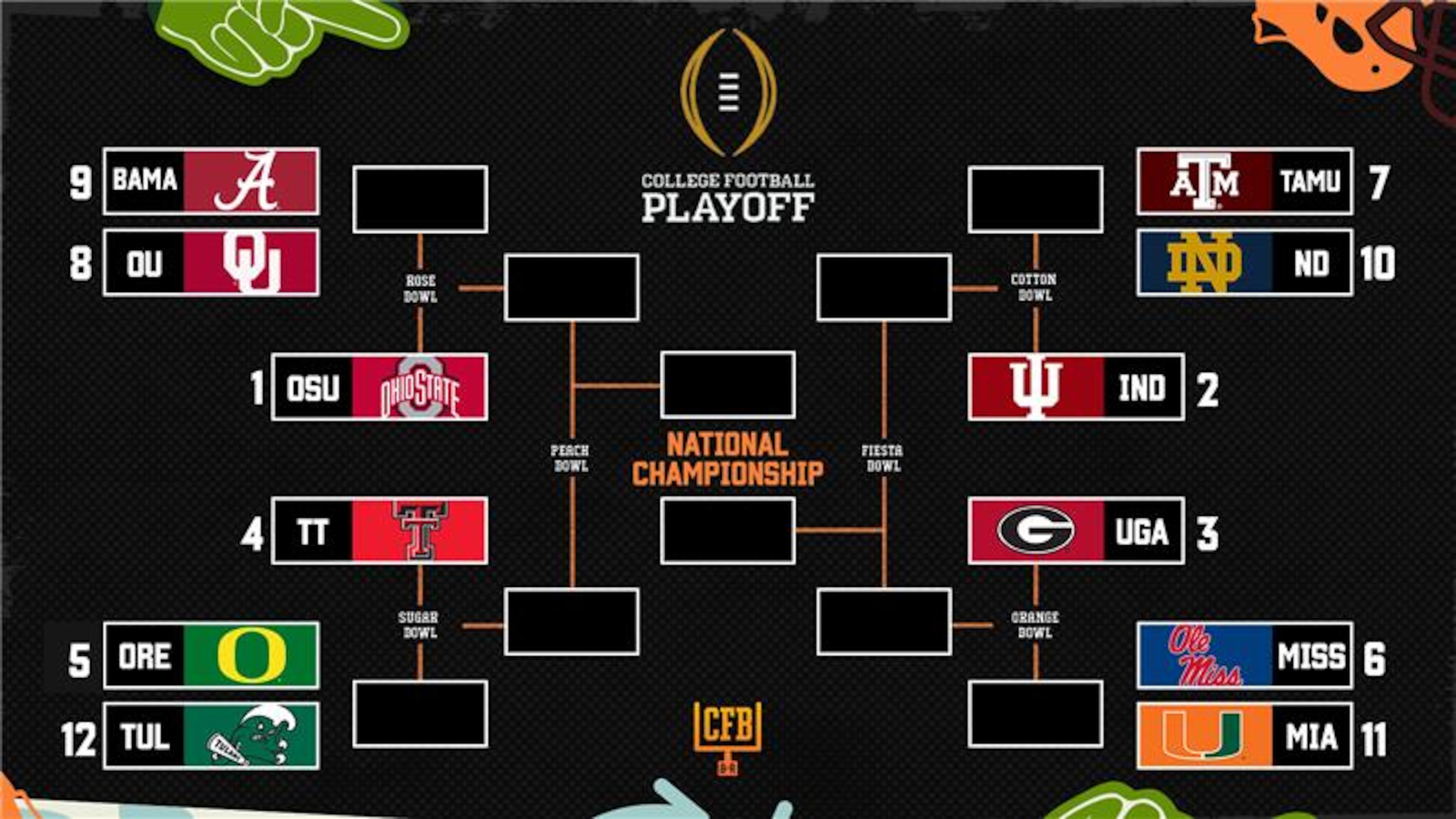
The expanded playoff creates a four-stage road to the championship for teams that begin in the first round, while teams receiving first-round byes enter one stage later. The broad structure is:
1. Four first-round games at campus sites.
2. Four quarterfinal games hosted by designated CFP bowl games.
3. Two semifinal games hosted by CFP bowls.
#4The College Football Playoff National Championship.
That is a very different postseason from the four-team era. A team can now need to win as many as four playoff games to claim the title, making depth, injury management, travel, recovery and matchup flexibility more important.
Who Selects the Playoff Field?
The CFP Selection Committee evaluates teams and produces the rankings that determine the field and bracket according to the current format. Conference championships, schedule strength, head-to-head results, common opponents and overall performance all become part of the broader evaluation process.
The key point for fans is that playoff selection is not simply a mathematical standings table. Committee ranking remains central, which is why late-season résumé changes can matter dramatically.
Why conference championship weekend matters
Conference title games can create both opportunity and risk. A contender may gain a high-value win and strengthen its ranking, while another team can add a late loss against elite competition. Automatic access tied to conference champions also means the final weekend affects more than the ordering of at-large teams.
Conference Champions and At-Large Teams
The 12-team model combines access for highly ranked conference champions with at-large selections. That matters because the bracket is designed to include both teams that win major conference races and highly ranked teams that may not finish as conference champions.
From a fan perspective, it helps to think about the field in two layers:
• Automatic access: qualifying conference champions under the current CFP criteria.
• At-large access: the highest-ranked remaining teams selected by the committee.
The exact bracket should always be checked against the official CFP rules for the season rather than assumed from older versions of the playoff.
Why Seeding Matters More Than Ever
In a four-team playoff, every participant needed two victories. In a 12-team format, the difference between receiving a first-round bye and playing an additional elimination game is enormous.
A bye can provide:
• An extra week for injured players to recover.
• Additional preparation time.
• One fewer game in which an upset can occur.
• Less travel and physical wear.
• More film on a future opponent.
Even among teams playing in the first round, seeding determines who hosts and who travels, which can produce major environmental differences in December.
First-Round Games on Campus
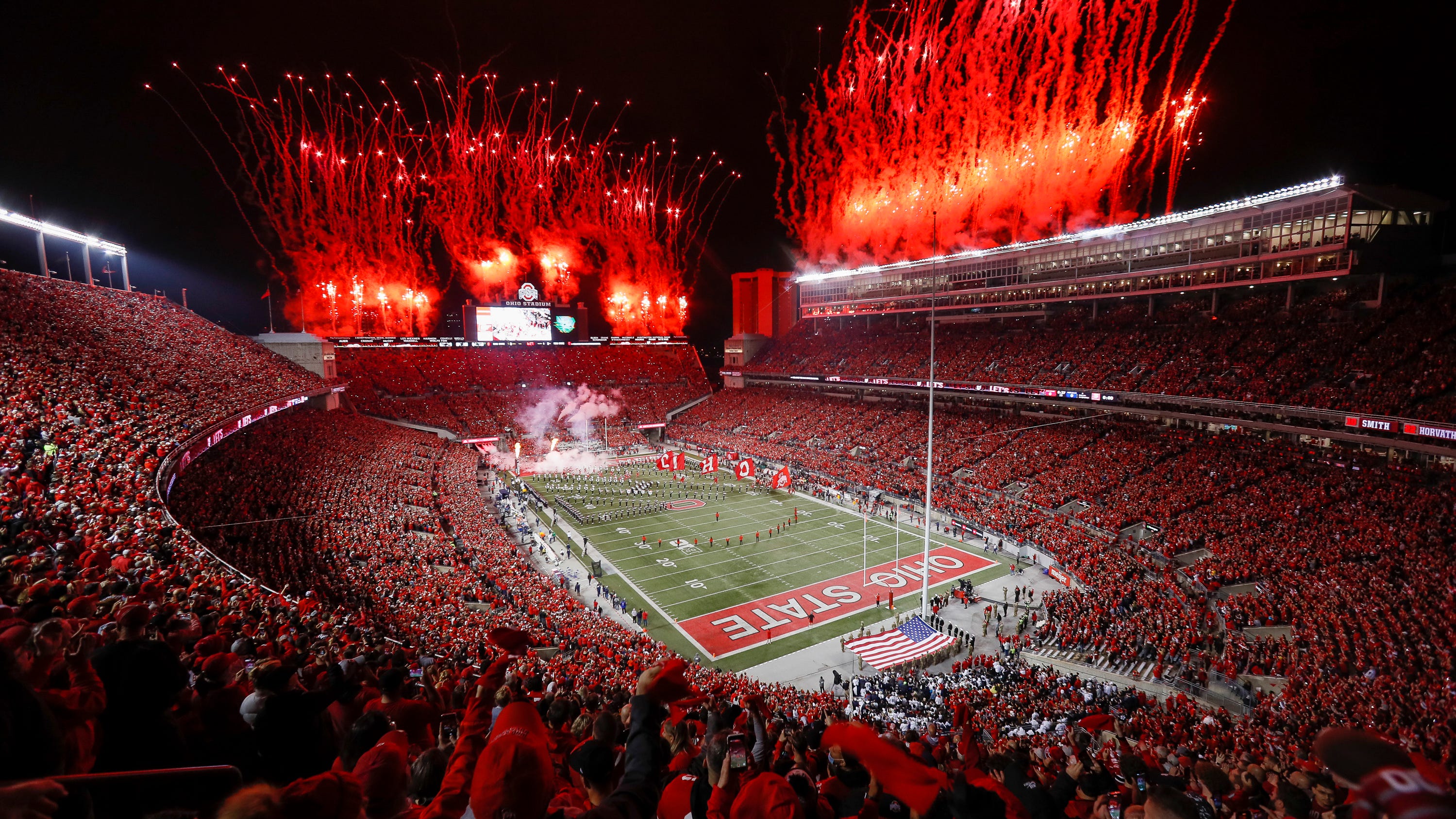
Campus first-round games make seeding, travel and home-field conditions strategically important.
One of the most distinctive features of the expanded playoff is the campus first round. Instead of moving every postseason game to a neutral bowl site, four opening-round games are played at host campuses.
This creates an atmosphere that traditional bowl football could not replicate. A warm-weather team may need to travel into cold conditions. A team accustomed to a quiet neutral environment may face a packed home stadium. Students and local fans can experience a playoff game directly.
Home-field advantage goes beyond crowd noise
A host team gains familiarity with its field, routine, facilities and weather. The visitor must travel, adjust practice logistics and play in a hostile environment. None of those factors guarantees a victory, but together they make first-round seeding meaningful.
Quarterfinals and the Major Bowl System
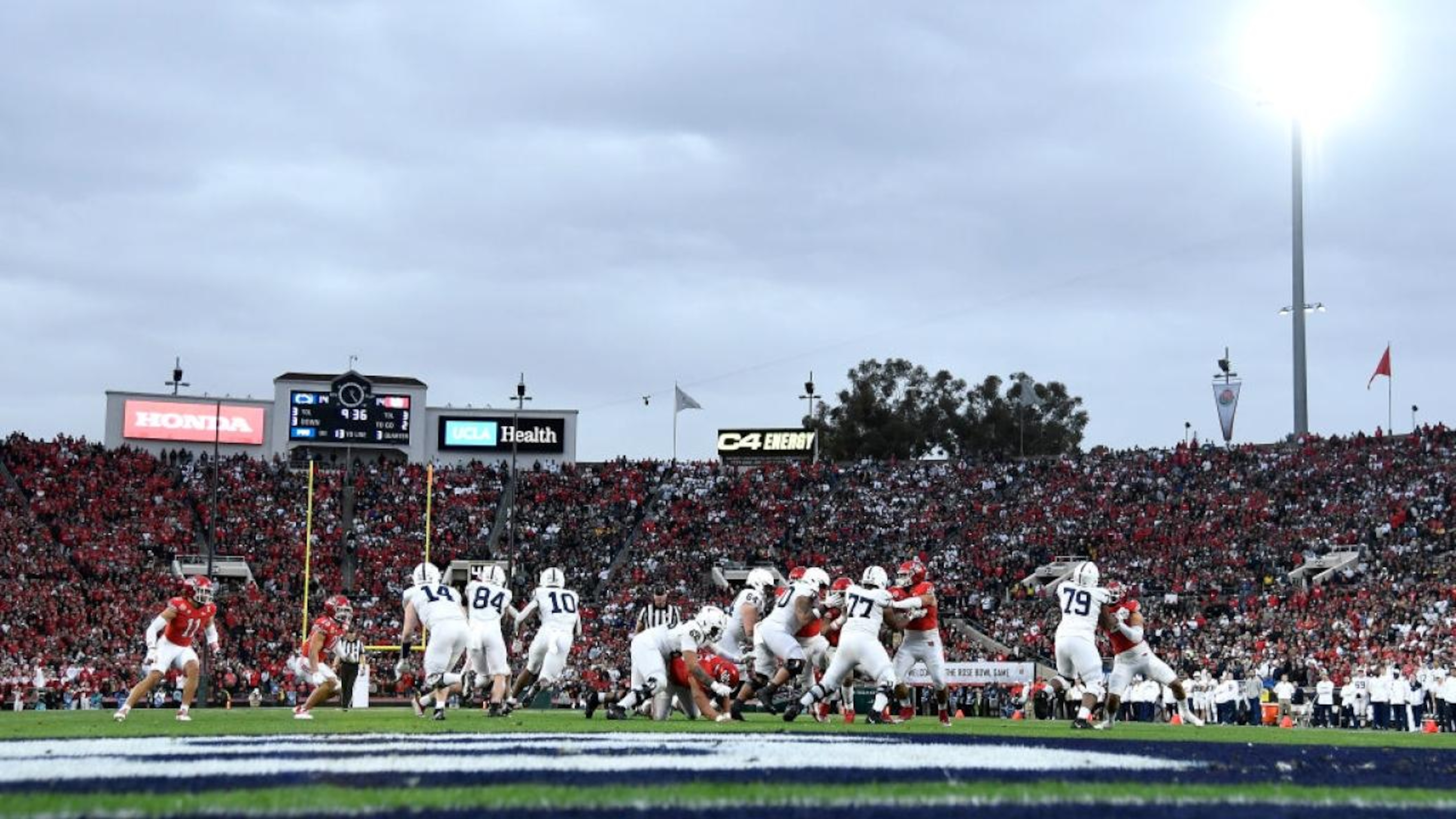
Quarterfinals and semifinals move into the College Football Playoff bowl rotation.
After the campus first round, the playoff moves into the CFP bowl rotation. Quarterfinals and semifinals are staged through the major bowl partners, preserving many of college football's traditional postseason venues while integrating them into the national-title bracket.
The six bowl partners in the CFP rotation are the Cotton Bowl, Fiesta Bowl, Orange Bowl, Peach Bowl, Rose Bowl and Sugar Bowl. Their assignments rotate between quarterfinal and semifinal duties by season.
The result is a hybrid postseason: campus football first, then the historic bowl environment, then the standalone national championship.
The 2026-27 National Championship
The 2026-27 College Football Playoff National Championship is scheduled for January 25, 2027, at Allegiant Stadium in Las Vegas. That means the path beginning with conference races in August and September can extend deep into January for the final two teams.
The longer calendar raises an important roster-management issue: championship contenders must remain healthy and prepared through a season that can include a conference championship and multiple playoff games.
How the 12-Team Format Changes Regular-Season Strategy
A larger playoff field changes the value of conference races, résumé wins and late-season roster management.
Expansion does not make the regular season meaningless. It changes which goals remain available after a setback.
A single loss is less automatically fatal
In the four-team era, one loss could create severe playoff pressure depending on schedule and conference. In a 12-team field, a strong team may still have a realistic at-large path after a loss. That can keep more fan bases invested later into the season.
Conference titles still carry major value
Conference championships affect automatic access, rankings and seeding. A team may enter championship weekend already likely to make the field but still have significant incentive to improve its bracket position.
Scheduling remains a résumé decision
Strong nonconference opponents create opportunities for high-quality wins but also introduce loss risk. Because the committee evaluates the entire résumé, athletic departments must balance competitive ambition with playoff positioning.
How the Format Changes Coaching Decisions
The playoff expands the number of meaningful late-season games, which can influence how coaches manage their teams.
• Injury decisions may consider a potential multi-game postseason.
• Depth becomes more valuable because backups may need to play playoff snaps.
• Special teams becomes more important in close, single-elimination games.
• Weather preparation matters for teams that may travel to campus games.
• Coordinators need answers for a wider range of styles over consecutive weeks.
A team built around one narrow identity can still succeed, but playoff depth rewards programs capable of winning in different ways.
Why Line Play Can Decide the Expanded Playoff
December and January football places pressure on offensive and defensive lines. Weather, fatigue and elite opponents can reduce the margin for error. Teams that can protect the quarterback, run efficiently and create pressure without constant blitzing gain valuable postseason stability.
Expansion creates more opportunities for lower-seeded teams to advance, but an upset usually requires more than one lucky play. Common ingredients include:
• Winning the turnover margin.
• Creating explosive plays.
• Finishing drives with touchdowns rather than field goals.
• Preventing the favorite from controlling the run game.
• Winning hidden-yardage battles on special teams.
• Handling fourth downs efficiently.
A lower seed that wins on the road must then recover quickly for a quarterfinal, making roster depth part of the upset equation.
How to Read the Bracket on Selection Day
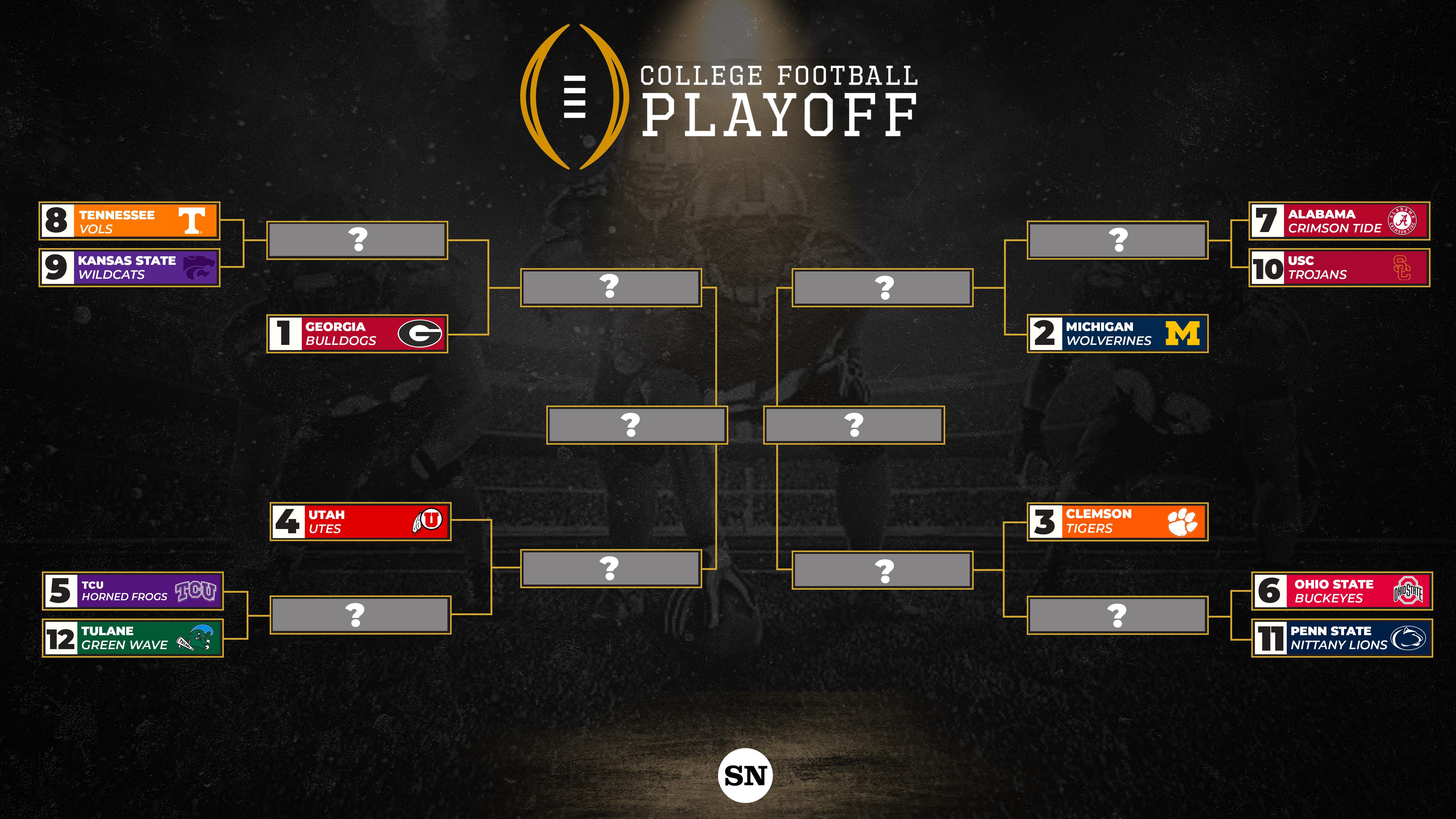
Reading the full bracket path helps fans compare hosting, travel and potential quarterfinal matchups.
When the field is announced, do not look only at the team names. Use a structured checklist.
1. Identify the teams receiving first-round byes.
2. Find the campus hosts and their opponents.
3. Trace which quarterfinal destination each first-round winner enters.
4. Compare travel requirements and likely weather.
5. Look for stylistic matchups, not just ranking differences.
#6Note which teams may face rematches against conference opponents.
This provides a clearer picture of bracket difficulty than simply comparing seed numbers.
Why Strength of Schedule Remains Important
A larger field can encourage people to assume elite teams have more room for error, but selection still depends on comparison. If several programs are competing for the final at-large positions, quality wins and schedule strength can separate similar records.
A record without context is incomplete. Ten wins against a difficult schedule can be evaluated differently from ten wins against weaker opposition. Late-season injuries and conference-championship results can further change the comparison.
The Transfer Portal and Playoff Depth
Modern roster construction means a playoff team is shaped by recruiting, development and transfers. The transfer portal allows coaches to address immediate needs, but rapid roster turnover can also affect continuity.
Roster Limits Make Depth Planning More Complicated
College programs are also adjusting to a new roster-management environment. A team cannot simply stockpile unlimited developmental depth. Coaches need to decide how many players to allocate to each position, how much redundancy is necessary and how special-teams roles affect the final roster.
Is the College Football Playoff still 12 teams in 2026-27?
Yes. The CFP Management Committee announced that the 12-team format will continue for the 2026-27 season.
Where are first-round playoff games played?
The four first-round games are played at campus sites under the current format.
Where are the quarterfinals and semifinals played?
They are hosted through the CFP's rotating bowl partners.
Can a team that does not win its conference reach the playoff?
Yes. The 12-team structure includes at-large selections in addition to qualifying conference champions.
When is the 2026-27 national championship?
The title game is scheduled for January 25, 2027, at Allegiant Stadium in Las Vegas.
A Fan Checklist for the 2026 Season
• Track the CFP rankings once they begin.
• Watch conference-title races, not just undefeated teams.
• Compare résumés rather than records alone.
• Pay attention to injuries and depth late in the season.
• Remember that hosting a first-round game has real value.
• Trace the full bracket path when the field is announced.
Conclusion
The 12-team College Football Playoff has transformed the postseason from a two-game sprint into a bracket that rewards depth, adaptability and sustained performance. The 2026-27 decision to retain the current structure gives college football another full season to learn which aspects of the format work best before future changes are considered.
For fans, the most useful way to follow the race is to think beyond “in” or “out.” Seeding, campus hosting, conference championships and bracket path all matter. A team can reach the playoff and still face a brutally difficult route, while another can earn a bye and gain valuable recovery time. From late-season résumé debates to December campus games and the January championship in Las Vegas, the expanded playoff creates more meaningful football—and more strategy—to understand.