Best Young Quarterbacks Who Could Become the Next NFL Superstars The NFL has no shortage of young quarterbacks with strong arms and highlight plays. The harder question is which players can become long-term superstars. T…
The NFL has no shortage of young quarterbacks with strong arms and highlight plays. The harder question is which players can become long-term superstars.
That label demands more than one strong month or a few viral throws. A great quarterback must make fast decisions, protect the football, handle pressure and keep improving after defenses adjust.
Drake Maye has shown a valuable mix of arm talent and mobility. Caleb Williams has started to combine his creativity with better control. Jayden Daniels can hurt defenses as both a passer and runner. Bo Nix offers steady decision-making, while C.J. Stroud has already shown that he can play at a high level.
TRENDING: This list focuses on quarterbacks who are still early in their careers and have a realistic path to the NFL’s top tier. Each section explains what already works, what must improve and what fans should watch during real games.
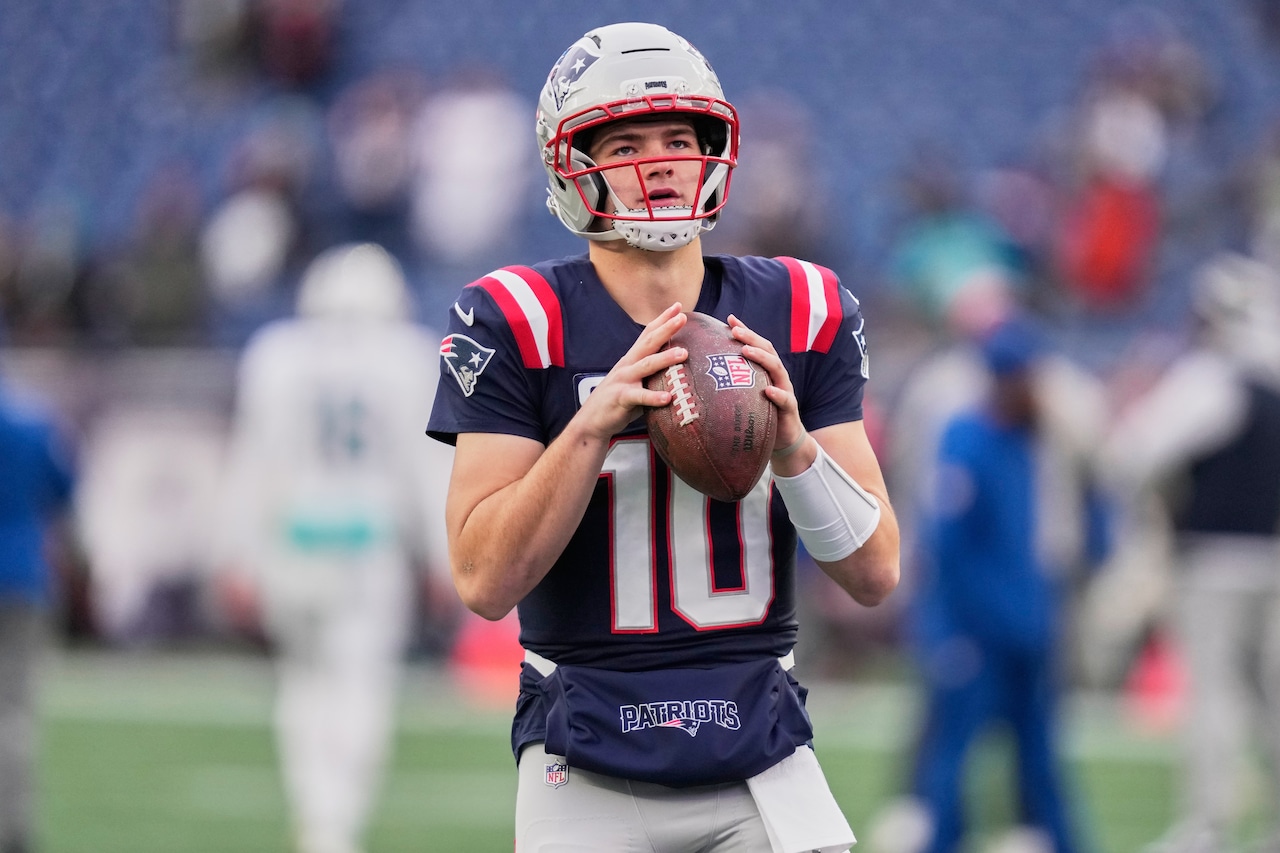
Drake Maye: Strongest Superstar Case
Maye enters the new season with one of the best combinations of current ability and future potential among young NFL quarterbacks.
He can attack the middle of the field, drive the football outside the numbers and create useful plays when the pocket breaks down. He does not need every snap to be perfectly designed. That gives New England answers when the protection fails or receivers are tightly covered.
Maye’s mobility also forces defenders to make difficult choices. A linebacker who drops too deep may give him space to run. A defender who moves toward the line may leave a receiver open behind him.
Areas for Improvement:
His biggest task is learning when to accept the easy play.
Some young quarterbacks become too focused on creating a large gain. They ignore an open five-yard pass while waiting for a deeper route. That approach can produce exciting highlights, but it can also cause sacks and failed drives.
THE STAT THAT MATTERS: A simple way to judge Maye is to watch him on third-and-medium. Does he take the short completion and move the chains? Does he slide inside the pocket instead of leaving it too early? Does he throw the ball away when the defense wins the play? Those quiet decisions often separate an exciting prospect from an annual MVP candidate.
New England can also help him through coaching continuity. When a quarterback stays in the same offensive system, he can spend less time learning terminology and more time studying coverage, timing and defensive tendencies.
Maye does not need to lose his aggressive style. He simply needs to choose the right moments to use it.
Caleb Williams: Turning Creativity Into Control
Williams entered the NFL with the ability to attempt throws that many quarterbacks would not consider. He can change his arm angle, escape pressure and deliver the ball while moving in either direction.
That creativity still drives his superstar potential. The challenge is using it without turning every snap into an escape drill.
Areas for Improvement:
A quarterback cannot build a reliable offense by depending only on broken plays. Some of the most important throws are short completions on first down, quick passes against pressure and simple checkdowns when the defense removes the deeper option.
Consider a realistic situation against a defense using two deep safeties. The defense wants Williams to hold the ball and wait for a long route. That delay gives the pass rush more time to reach him.
The better answer may be a quick pass to the running back or a short route over the middle. That play may gain only six yards, but it keeps the offense on schedule and creates an easier second down.
THE STAT THAT MATTERS: Williams’ development will depend on how often he makes those choices. He does not need to remove the spectacular plays from his game. His movement and off-platform passing remain major strengths. Chicago simply needs those abilities to become a bonus rather than a rescue plan.
Early Game Rhythm
His first-quarter rhythm will be an important sign. When Williams completes routine throws early, the offense reaches more manageable third downs. That makes the playbook larger and prevents the defense from attacking obvious passing situations.
Late-game confidence is another reason to believe in his future. Williams has shown that pressure does not automatically overwhelm him. The next step is producing the same calm football during ordinary drives in the first three quarters.
Jayden Daniels: Reclaim Rookie Momentum
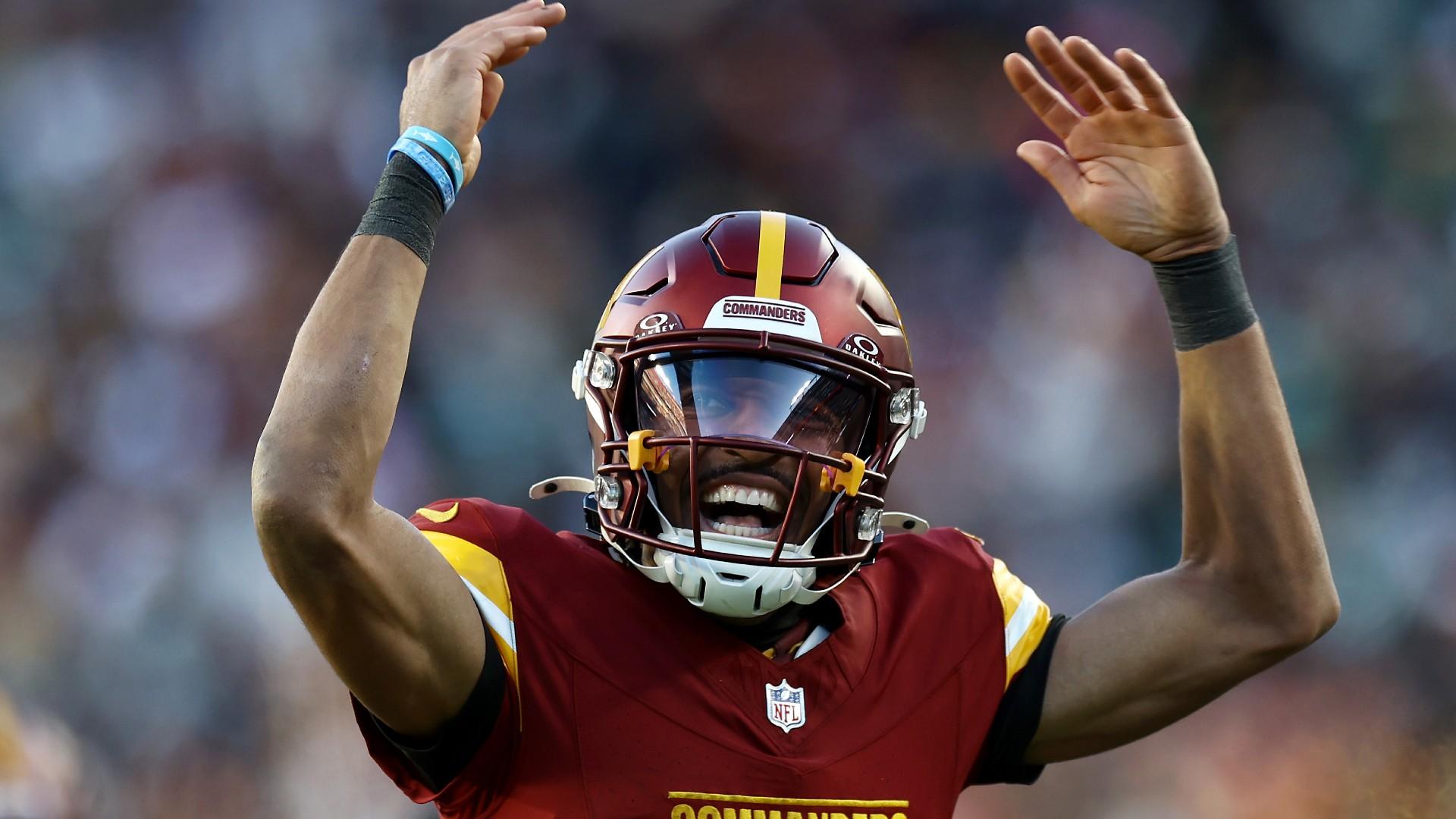
Daniels is one of the most dangerous young quarterbacks in football because he can defeat a defense in two very different ways.
He can throw with touch and timing from the pocket. He can also turn man coverage into a large rushing gain when defenders turn their backs to follow receivers.
That dual-threat ability changes how opponents call their defense.
A pass rusher cannot always attack at full speed because Daniels may escape through an open lane. Linebackers must watch the quarterback while also covering receivers. Defensive backs may have to hold their coverage for longer when he moves outside the pocket.
Areas for Improvement:
The practical concern is contact.
Daniels should continue to run because that threat is central to his value. However, every run does not need to end with an extra yard and a hard hit. Sliding, reaching the sideline and throwing the ball away can be winning decisions over a full season.
THE STAT THAT MATTERS: Availability is part of quarterback value. A spectacular player cannot help his team while recovering from an avoidable injury.
Washington can also support Daniels with more play-action, under-center formations and designed movement. Those ideas can change his launch point and make the defense respect the running game.
They can also reduce the number of snaps where Daniels must create something after the first read is covered.
Red-Zone Decisions
His red-zone decisions will be worth watching. Space becomes limited near the goal line, and easy rushing lanes disappear. Daniels must move safeties with his eyes, deliver quick passes and run only when the lane is clear.
When he balances those choices, he becomes extremely difficult to defend.
Bo Nix: Foundation for Steady Growth
Nix is easy to underrate because much of his best work looks simple.
He gets the offense lined up, takes the available completion, protects the football and uses his legs at sensible moments. Those habits give Denver a dependable foundation each week.
A quarterback does not always need to produce a highlight to help his team. Avoiding a sack, checking into the correct play and completing a short pass against pressure can be just as valuable as a difficult deep throw.
Areas for Improvement:
The question is whether Nix can add more explosive passing without losing that stability.
Top defenses eventually remove short routes and crowd the line of scrimmage. When that happens, the quarterback must threaten deeper areas of the field.
Nix’s next steps are clear:
Hit more deep throws against single-high safety coverage.
Keep his feet balanced when the first option is covered.
Use movement as a planned weapon instead of only reacting to pressure.
THE STAT THAT MATTERS: Nix is often at his best on bootlegs and designed movement plays. These calls force the defense to protect the entire width of the field. They can also create clear throwing lanes and simple reads.
The more difficult test arrives when the original design fails.
Handling Failed Plays
Imagine that a defense covers the first receiver and closes the easy pass to the flat. Can Nix reset his feet, move to the next read and deliver an accurate intermediate throw?
That skill will decide whether he remains a reliable starter or develops into a quarterback who can take control when the system does not provide an easy answer.
C.J. Stroud: High-Upside Rebound Candidate
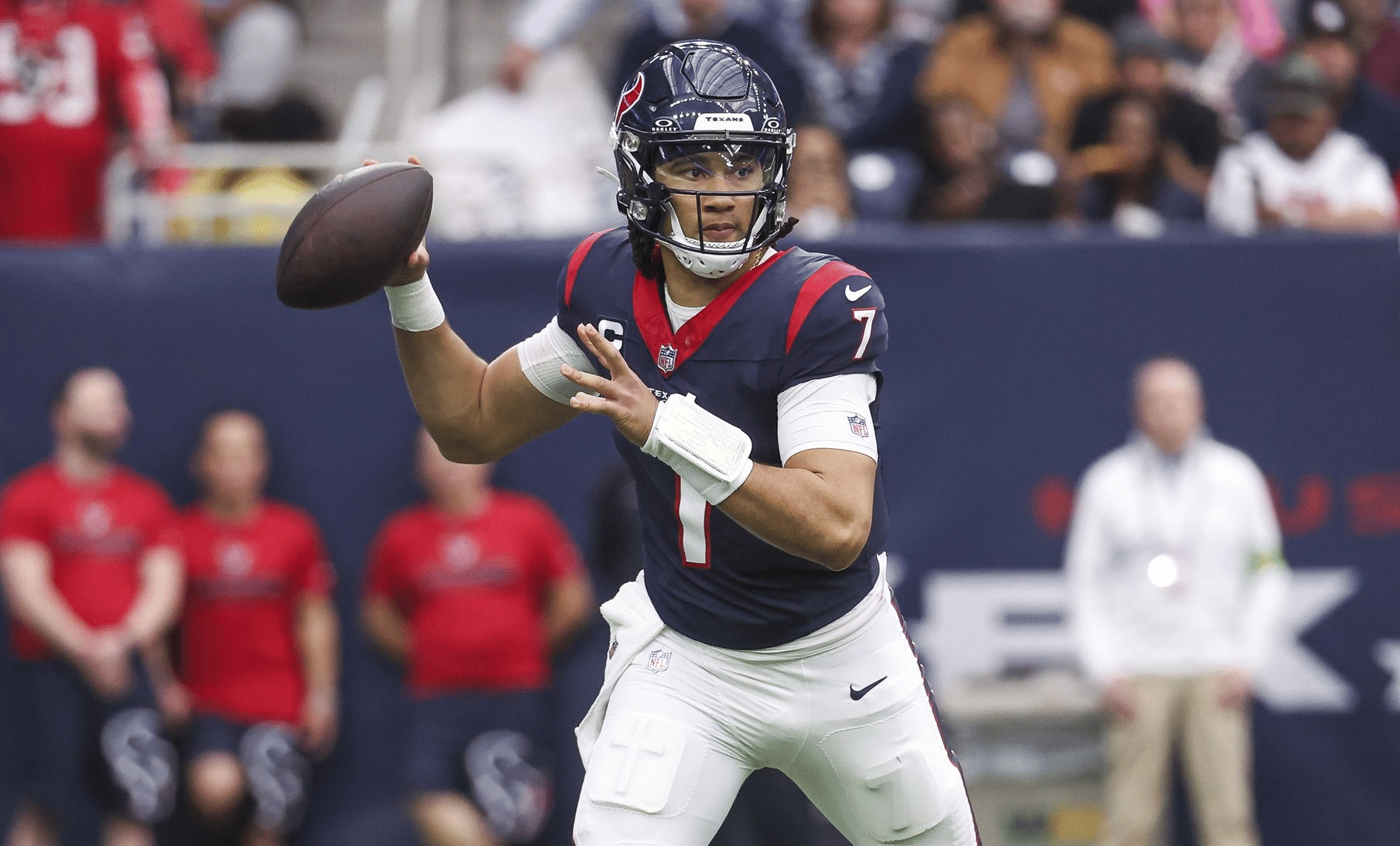
Stroud is different from the other quarterbacks on this list because he has already produced a full season of high-level NFL passing.
His rookie performances showed anticipation, accuracy and calm decision-making. He often released the ball before a receiver looked open. That timing made Houston’s offense fast and difficult to defend.
Later struggles did not erase those skills, but they showed how quickly an offense can change when protection, timing and confidence decline.
Areas for Improvement:
Stroud’s path back is not complicated. He must trust the protection, maintain a balanced throwing base and release the football on time.
His response to interior pressure will be one of the most important things to watch.
Pressure from the edge sometimes gives a quarterback room to step forward. Pressure through the middle is more disruptive because it blocks that space and damages the quarterback’s footwork.
THE STAT THAT MATTERS: When Stroud remains balanced, his deep and intermediate accuracy can be excellent. When his feet become rushed or narrow, the ball may arrive late or move away from the intended target.
Houston can help him with a stronger running game and cleaner play-action opportunities. A credible running threat prevents defenders from focusing only on the pass. It can create open space behind linebackers and give Stroud clearer throwing windows.
He does not need to carry the offense on every snap. He needs to punish the defense when the system creates an advantage.
Stroud may have a wider range of possible outcomes than Maye or Williams. A strong rebound could place him back among the NFL’s best young passers. Another inconsistent year would create larger questions about whether his rookie season was the start of a steady rise or an early career high point.
Conclusion: Ranking the Young QBs
Drake Maye has the strongest current case to become the NFL’s next young quarterback superstar. His arm talent, mobility and ability to create outside the original play give him a very high ceiling.
Caleb Williams is close behind. He may be the most naturally creative quarterback in the group, but his rise depends on completing more routine throws and staying within the structure of the offense.
Jayden Daniels also has elite potential. His speed changes every defense he faces. His long-term success will depend on protecting himself and remaining available for a full season.
Bo Nix offers the safest weekly foundation. He makes sensible decisions and keeps the offense moving. To enter the top tier, he must create more explosive passes when defenses remove the easy options.
C.J. Stroud remains the strongest rebound candidate. His rookie performances proved that he can play at a star level. Houston now needs him to recover the calm footwork, anticipation and quick decisions that powered that early success.
Current Ranking:
Drake Maye
Caleb Williams
Jayden Daniels
Bo Nix
C.J. Stroud
That order can change quickly.
The best young quarterback will not always be the player with the strongest arm or the most highlights. It will be the player who makes the correct decision under pressure, protects the football and repeats that standard throughout an entire NFL season.