Football Safety and Equipment Guide: Helmets, Pads, Concussion Awareness and Safer Play
RedZoneHQ Staff · Aug 19, 2026
Football Safety and Equipment Guide: Helmets, Pads, Concussion Awareness and Safer Play American football is a contact sport, so safety depends on much more than simply wearing a helmet. Good equipment fit, proper techni…
Football Safety and Equipment Guide: Helmets, Pads, Concussion Awareness and Safer Play
American football is a contact sport, so safety depends on much more than simply wearing a helmet. Good equipment fit, proper technique, rules enforcement, coaching, conditioning, medical response and honest communication all work together to reduce risk. No piece of equipment can make football completely injury-proof, and no helmet can prevent every concussion.
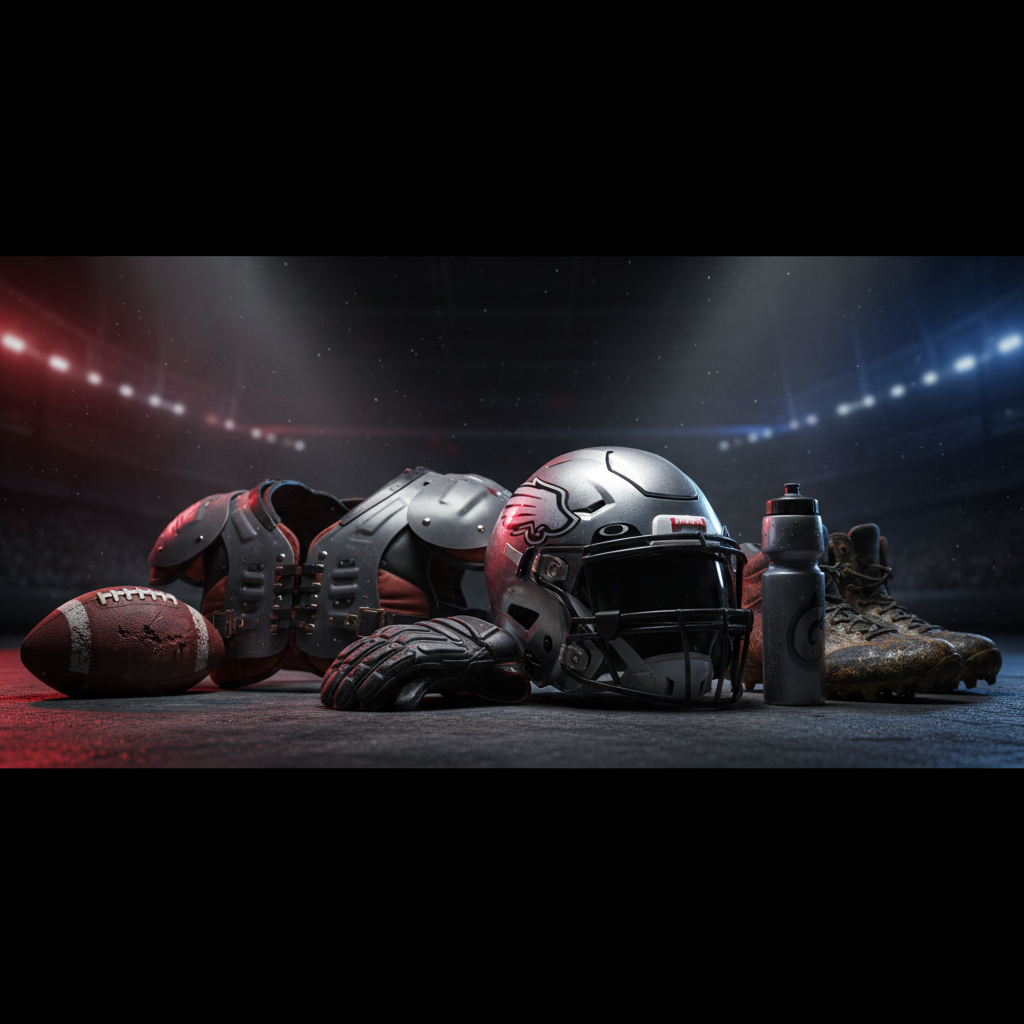
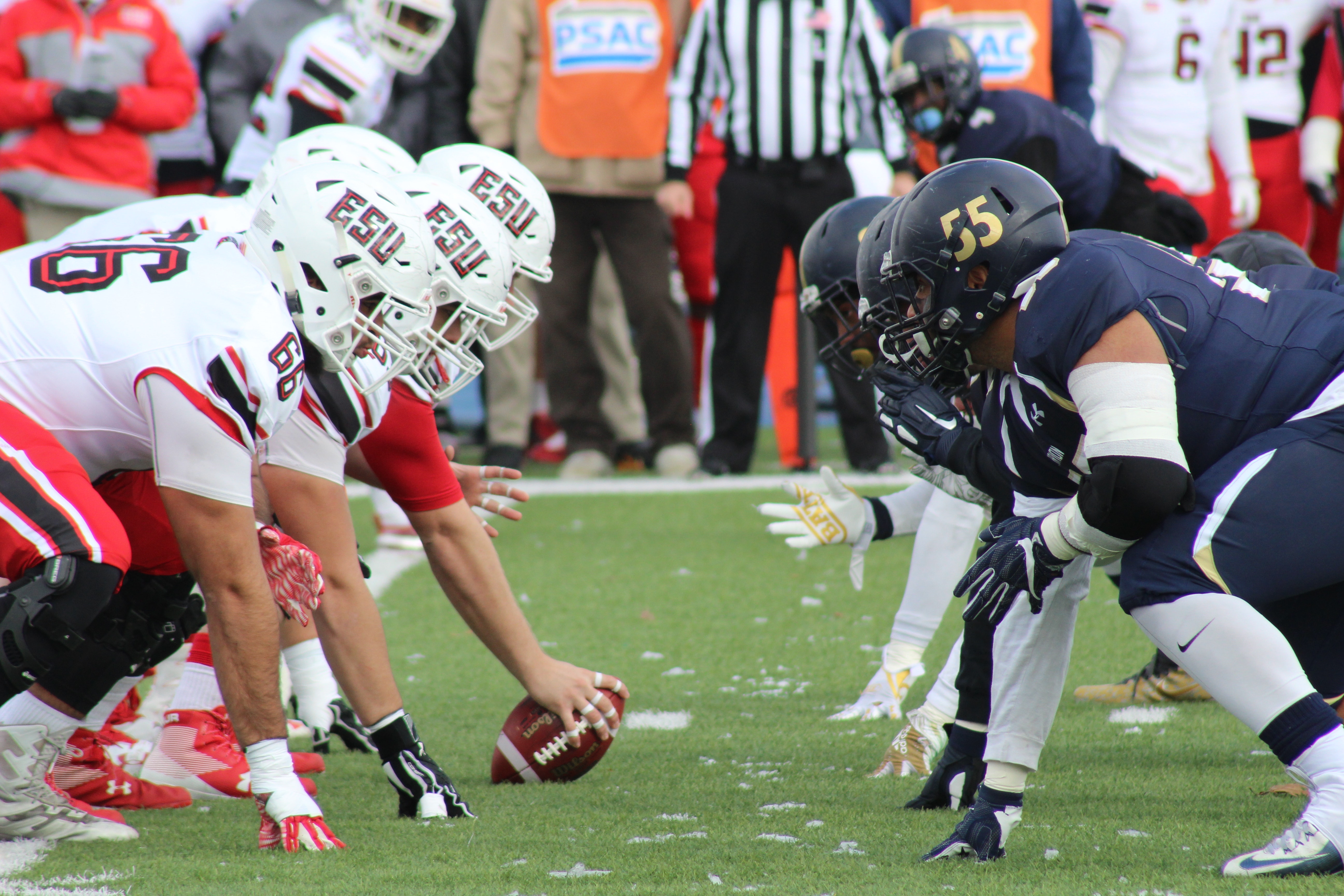
Football safety combines protective equipment, technique, coaching and medical awareness.
This guide explains practical football safety and equipment basics for players, parents and new fans. It covers helmets, shoulder pads, mouthguards, footwear, equipment fit, concussion awareness, safer practice habits and what to do when a head injury may have occurred. For current medical and public-health guidance, the CDC HEADS UP program is an important resource. The CDC also publishes specific helmet safety guidance and emphasizes that there is no concussion-proof helmet.
Safety Starts Before the First Snap
The best safety program begins before a game or practice. Coaches and players should make sure equipment fits correctly, rules are understood, the practice plan is appropriate for the age and level of play, and medical or emergency procedures are clear.
Safety is a system. If one part fails—poor fit, unsafe technique, ignored symptoms or inadequate supervision—the risk can increase even when the rest of the equipment is high quality.
Football Helmets: What They Can and Cannot Do
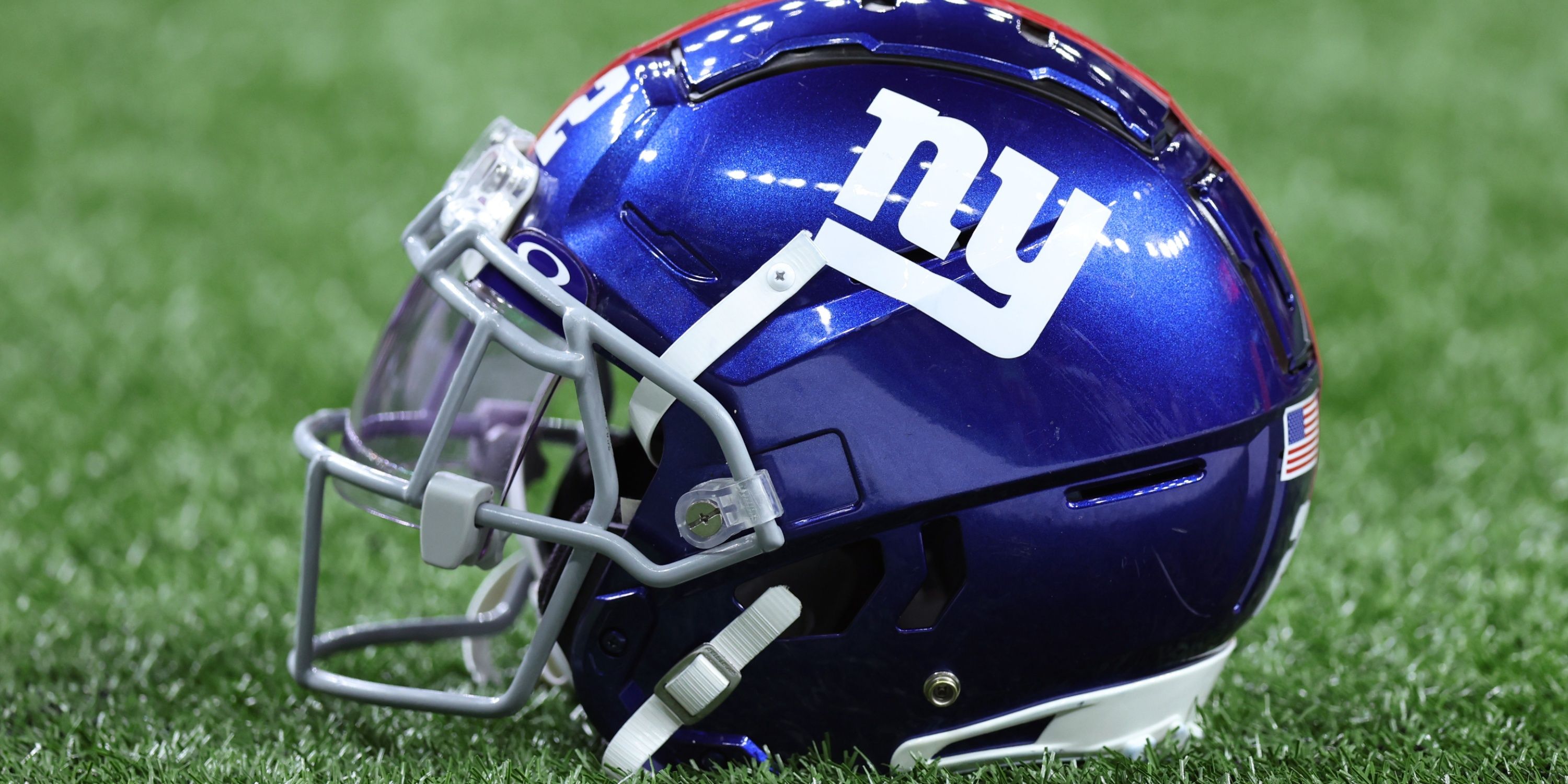
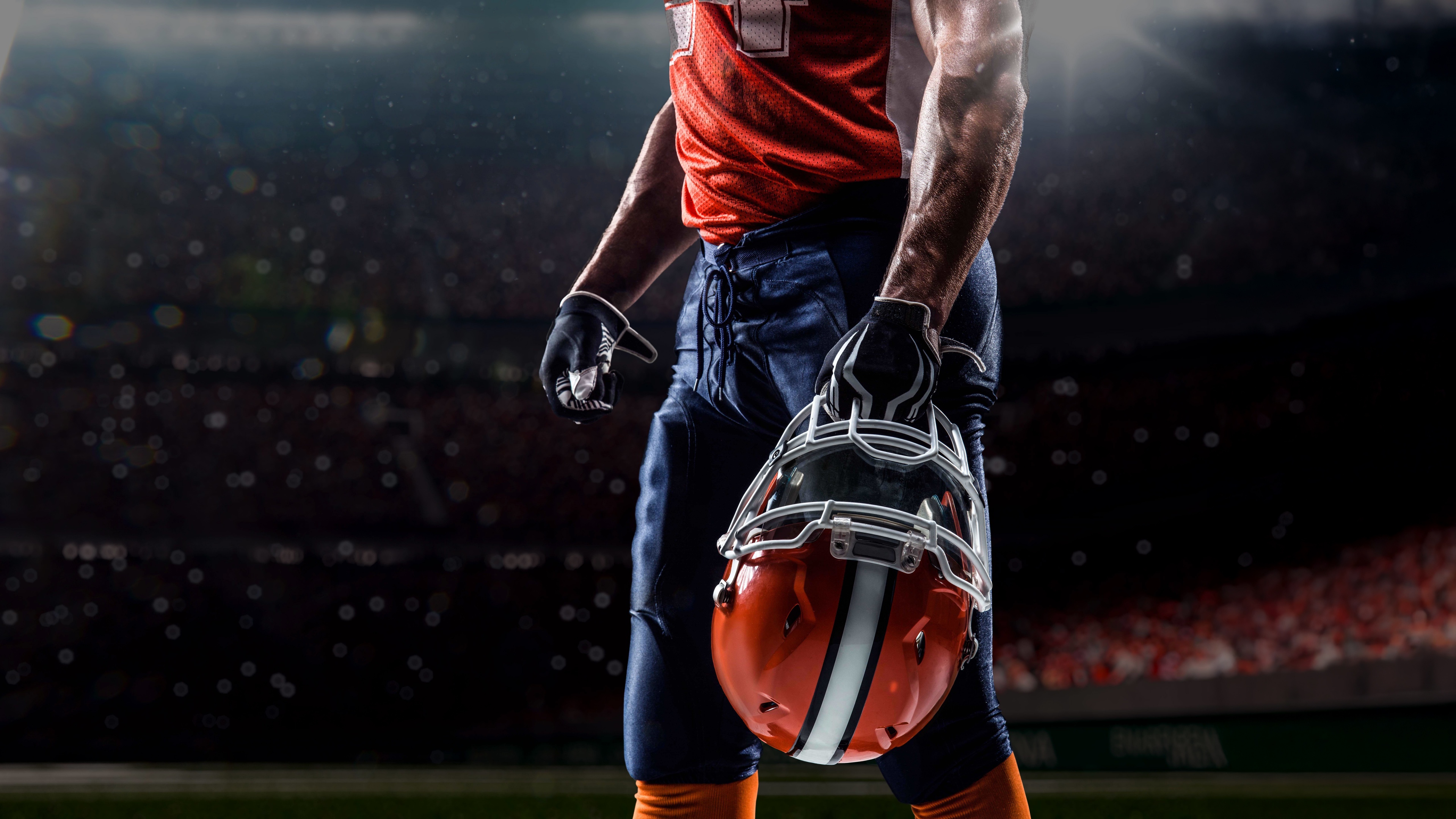
Football helmets help manage impact but cannot prevent every concussion.
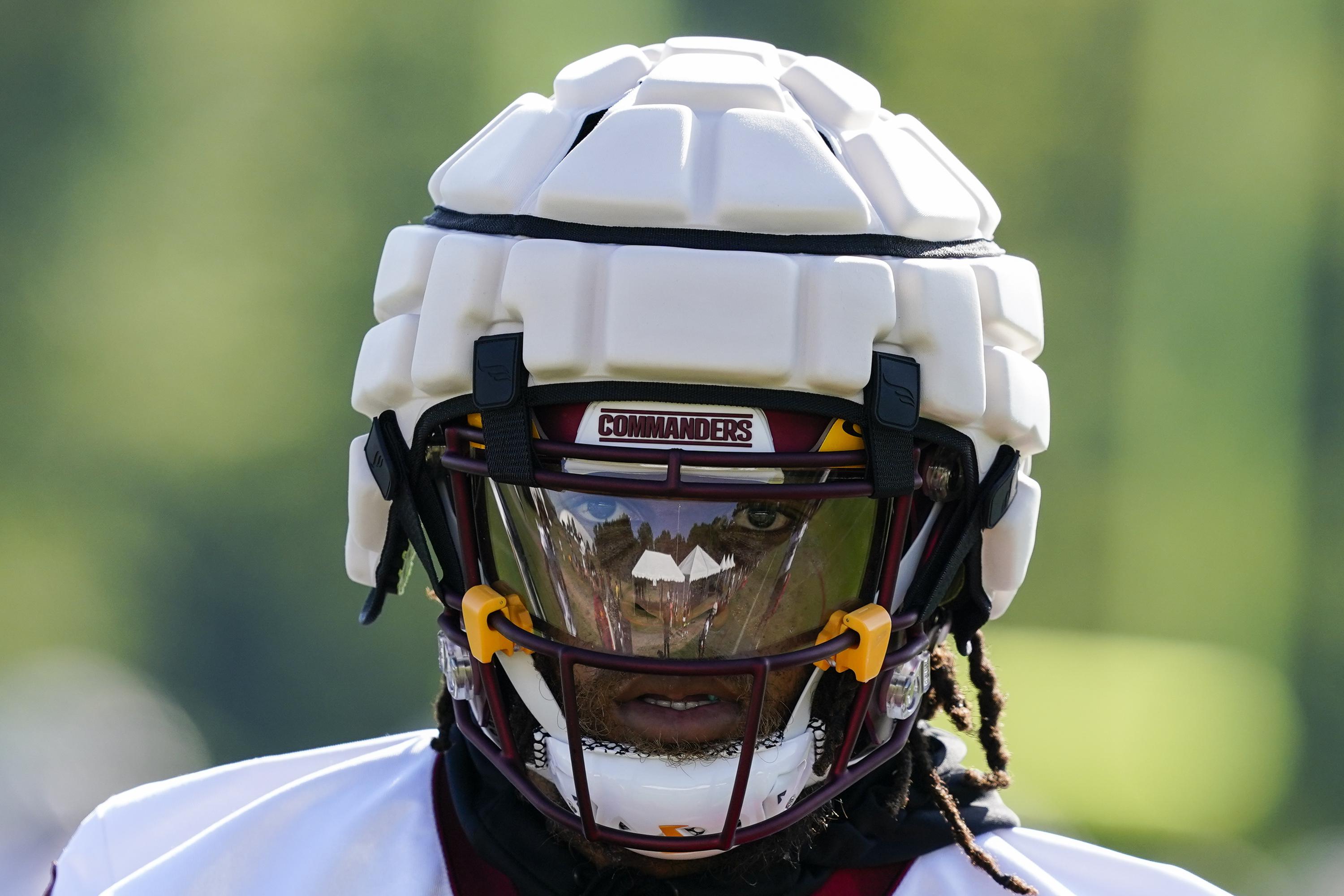
A football helmet is designed to help reduce the risk of serious head injury by managing impact energy and protecting the skull. It includes a hard outer shell, internal padding, a facemask and a chinstrap system.
A helmet is not concussion-proof
The CDC states clearly that no helmet can prevent all concussions. A concussion is a traumatic brain injury caused by forces that make the brain move rapidly inside the skull. A helmet can help protect against certain serious head injuries, but players should never use it as permission to lead with the head or make unsafe contact.
Helmet fit matters
A properly fitted helmet should be secure without creating harmful pressure. It should not slide excessively during normal movement, and the chinstrap must be adjusted correctly. Fit should be checked by qualified personnel and rechecked as players grow or equipment changes.
Replace damaged equipment
Helmets that have been damaged, altered improperly or no longer meet applicable certification and maintenance requirements should not simply be returned to play. Teams should follow manufacturer instructions, league rules and appropriate reconditioning procedures.
Facemasks and Chinstraps
The facemask protects the face while preserving visibility. Different facemask styles may be used for different positions, but all must comply with applicable rules and equipment standards.
The chinstrap keeps the helmet positioned during movement and contact. A loose or improperly fastened chinstrap can reduce the helmet's ability to stay correctly aligned.
Shoulder Pads
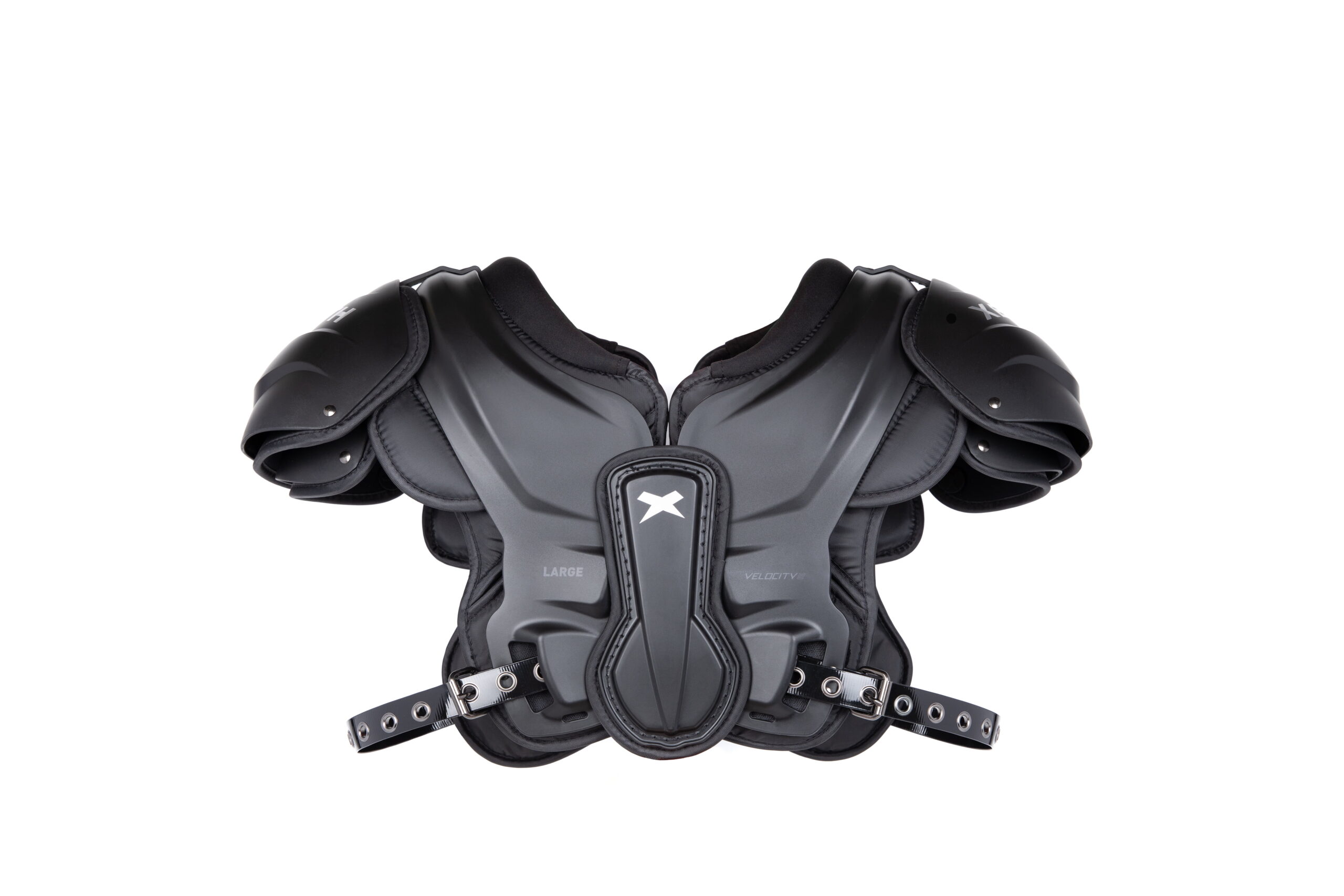
Shoulder pads help distribute and absorb force around the shoulders, upper chest and upper back. They include a hard outer structure with padding beneath.
Position-specific differences
Linemen often prefer larger protective coverage because they experience frequent contact in tight spaces. Receivers and defensive backs may use lower-profile designs that provide greater arm mobility.
Correct fit
Shoulder pads should cover the intended areas without restricting normal movement. Straps and fasteners must be secure. Pads that are too large can shift, while pads that are too small may leave areas exposed.
Hip, Thigh, Knee and Tailbone Pads
Lower-body pads protect areas that experience contact with opponents and the ground. Modern football pants may include integrated pockets or systems for hip, thigh, knee and tailbone protection.
Players should not remove required pads simply because they feel faster without them. Equipment rules exist to create a consistent minimum level of protection.
Mouthguards
Mouthguards help protect the teeth and soft tissues of the mouth. They should fit securely and allow the athlete to breathe and communicate effectively.
A damaged, chewed-through or poorly fitting mouthguard should be replaced. Youth leagues and school associations may have specific rules about colors, attachments and required use.
Cleats and Footwear
Football cleats provide traction for acceleration, cutting and blocking. The correct type depends on the field surface and league equipment rules.
Why traction must be balanced
Too little traction can lead to slipping. Excessive or inappropriate traction may increase stress on the lower body during sudden direction changes. Players should use footwear designed for the surface and approved for the competition level.
Gloves and Hand Protection
Receivers and defensive backs often use gloves for grip, while linemen may choose gloves with additional padding. Gloves must comply with league rules and should not interfere with normal hand movement.
Hand and finger injuries can still occur despite gloves, so players should report persistent pain, swelling or loss of movement.
Protective Cups and Additional Equipment
Some players use protective cups or compression garments depending on position, age and league rules. Additional approved padding can also be used in certain areas.
The key word is approved. Improvised equipment or unauthorized hard objects can create risks for the wearer and opponents.
Equipment Is Only One Part of Safety
Protective gear cannot replace good technique. A player who repeatedly leads with the head is taking unnecessary risk even while wearing a properly fitted helmet.
Football safety programs should also emphasize:
• Heads-up tackling principles
• Keeping the head out of unnecessary contact
• Correct blocking technique
• Progressive contact practices
• Strength and conditioning
• Hydration and heat management
• Rest and recovery
• Immediate reporting of symptoms
Concussion Basics
Suspected concussion symptoms should be reported and evaluated appropriately.
A concussion is a type of traumatic brain injury. It can result from a direct hit to the head or from a blow to the body that transmits force to the brain.
According to the CDC HEADS UP program, concussion signs and symptoms can affect thinking, physical function, emotions and sleep. Symptoms may appear immediately or develop later.
Common Concussion Signs and Symptoms
Possible symptoms can include:
• Headache or pressure in the head
• Dizziness or balance problems
• Nausea or vomiting
• Confusion
• Difficulty concentrating
• Sensitivity to light or noise
• Feeling slowed down
• Unusual mood or emotional changes
• Sleep changes
Observable signs can include appearing dazed, moving clumsily, answering slowly or forgetting events. This list is not a diagnosis. A qualified healthcare professional should evaluate suspected concussion.
What to Do When a Concussion Is Suspected
The safest general principle is simple: remove the athlete from play and obtain appropriate medical evaluation. Do not encourage a player to “tough it out” or hide symptoms.
1. Stop participation.
2. Inform the responsible coach, athletic trainer, parent or medical professional.
3. Watch for emergency warning signs.
4. Follow medical guidance.
#5Do not return to contact sport until appropriately cleared under applicable rules and healthcare guidance.
For updated response and recovery information, use the CDC HEADS UP resources.
Return-to-Play Should Be Gradual
Returning from a concussion is not the same as returning from ordinary muscle soreness. Athletes should follow a healthcare-guided progression and applicable league or school rules.
A gradual process allows symptoms to be monitored as physical and cognitive demands increase. If symptoms return, medical guidance may require the athlete to stop and move back to an earlier stage.
Why Players Must Report Symptoms
Football culture has historically rewarded toughness, but hiding a possible brain injury is not toughness. It removes the opportunity for proper evaluation and can put the athlete at greater risk.
Coaches and parents should create an environment where reporting symptoms is normal and respected.
Safer Tackling Technique
Good tackling technique emphasizes control and keeping the head out of unnecessary contact.
Modern safety coaching emphasizes keeping the head out of unnecessary contact and using controlled body positioning.
Basic safer-tackling principles
• See what you hit rather than lowering the head blindly.
• Avoid initiating contact with the crown of the helmet.
• Use proper shoulder and body positioning.
• Keep balance and control through the tackle.
• Follow league rules for defenseless players and prohibited contact.
The exact technique should be taught by qualified coaches in age-appropriate programs.
Why Contact Practice Limits Matter
The CDC's concussion-prevention guidance notes that sports programs can reduce risk by limiting contact practices and enforcing safety rules. Repetition is important for skill development, but not every practice rep needs full-speed collision.
Well-designed practices use walk-throughs, position drills, controlled contact and full-speed periods selectively.
Flag Football and Reduced-Contact Options
For younger athletes, non-contact or reduced-contact versions of the sport can teach passing, receiving, route running, spacing and teamwork without the same level of collision exposure.
CDC research has reported substantially fewer head impacts in youth flag football than youth tackle football in studied groups. Families should consider age, program quality, coaching and individual readiness when choosing a format.
Heat Safety and Hydration
Football equipment traps heat, and preseason practices often occur during hot weather. Heat illness can be serious.
Good heat-safety practices include
• Gradual acclimatization
• Frequent hydration opportunities
• Scheduled rest breaks
• Adjusting practice intensity for heat and humidity
• Monitoring athletes for heat-illness symptoms
• Having emergency cooling plans where appropriate
Coaches should follow current sports medicine and local governing-body guidance.
Strength, Conditioning and Fatigue
Fatigue can reduce technique quality. A tired player may lose balance, raise the head incorrectly or react slowly.
Conditioning should prepare athletes for the demands of the sport without creating unnecessary exhaustion. Strength programs should focus on sound technique and qualified supervision, especially for younger players.
Why Rules Enforcement Is a Safety Tool
Rules against certain hits, facemask grabs, horse-collar tackles and unnecessary roughness do more than create fair play. They also discourage dangerous contact.
Our football penalties guide explains common safety-related flags and why officials enforce them.
Position-Specific Safety Considerations
Different positions experience different patterns of contact.
Position group
Common safety focus
Quarterbacks
Protection in pocket, late-hit rules, shoulder health
Before practice or competition, players and staff can use a simple checklist:
• Helmet shell shows no obvious damage.
• Helmet padding is intact.
• Chinstrap fastens securely.
• Facemask hardware is secure.
• Shoulder pads fit and straps hold correctly.
• Required hip, thigh and knee pads are present.
• Mouthguard is usable and fits properly.
• Cleats are appropriate and not damaged.
• No unauthorized hard objects or jewelry are present.
• Any concern is reported before play begins.
Parent and Player Questions to Ask a Program
1. Who is responsible for equipment fitting?
2. How often is equipment inspected or reconditioned?
3. What is the concussion-response protocol?
4. Who makes return-to-play decisions?
5. How are contact practices limited?
6. What emergency medical plan is in place?
7. How are heat and hydration handled?
8. Are coaches trained in age-appropriate tackling techniques?
Frequently Asked Questions
Can a football helmet prevent all concussions?
No. The CDC specifically warns that there is no concussion-proof helmet. Helmets help protect against serious head injury but cannot eliminate concussion risk.
How tight should a football helmet be?
It should fit securely according to manufacturer and qualified fitter guidance without harmful pressure or excessive movement.
Should a player return after a suspected concussion if symptoms disappear quickly?
A suspected concussion should be evaluated appropriately. Athletes should follow healthcare guidance and applicable return-to-play rules rather than deciding on their own.
Are shoulder pads the same for every position?
No. Designs can vary based on mobility and protection needs, but all equipment should meet applicable standards and fit correctly.
Is flag football safer than tackle football?
Flag football removes tackling and generally reduces collision exposure. CDC research has found fewer head impacts in studied youth flag-football athletes than tackle-football athletes, although all sports still carry some injury risk.
Conclusion
Football safety is not one product or one rule. It is the combination of properly fitted equipment, good coaching, safer technique, appropriate contact limits, rule enforcement, conditioning, medical support and a culture that encourages athletes to report symptoms.
Helmets and pads are important, but they work best when players understand their limits. The most useful safety habit is also one of the simplest: if something feels wrong, report it. Athletes should never hide possible concussion symptoms or continue playing through a suspected serious injury. Use trusted sources such as CDC HEADS UP, follow league requirements and rely on qualified healthcare professionals for medical decisions.