Fourth-Down Strategy in 2026: How NFL Teams Use Win Probability, Conversion Models and Game Context
RedZoneHQ Staff · Aug 24, 2026
Fourth-Down Strategy in 2026: How NFL Teams Use Win Probability, Conversion Models and Game Context Fourth down used to feel like the simplest decision in football. If the offense was close enough to score, kick a field …
Fourth-Down Strategy in 2026: How NFL Teams Use Win Probability, Conversion Models and Game Context
Fourth down used to feel like the simplest decision in football. If the offense was close enough to score, kick a field goal. If it was too far away, punt. Going for the first down was often treated as a desperate move reserved for the final minutes. Modern NFL strategy is much more nuanced.
By 2026, coaches and analysts routinely evaluate fourth down using expected outcomes rather than tradition alone. The decision depends on the exact distance, field position, score, time remaining, quality of the offense, quality of the defense, kicker range, weather and what happens after every possible result. A fourth-and-1 near midfield is not the same decision as fourth-and-1 at the opponent’s 15, and a fourth-and-2 in the first quarter is not the same as fourth-and-2 with two minutes left.
The NFL’s Next Gen Stats Decision Guide is one of the clearest public examples of this approach. It combines conversion probability and win-probability modeling to compare going for it, punting and attempting a field goal. See NFL Next Gen Stats’ explanation of fourth-down decision analytics.
Why Fourth Down Is an Expected-Value Problem
A coach does not know what will happen. He is choosing between probabilities. Going for fourth-and-2 might fail, but punting also has a cost because the offense voluntarily gives the ball away. A field-goal attempt can miss. A successful conversion can lead to a touchdown worth more than three points.
The useful question is not, “Which option is safest?” It is, “Which option gives the team the best chance to win?”
Conversion Probability
Conversion probability estimates how likely the offense is to gain the necessary yards. Distance is the obvious factor, but it is not the only one. Offensive quality, defensive quality, formation, quarterback mobility and the exact ball location can all matter.
Next Gen Stats has shown why precise distance matters. A fourth-and-inches situation is meaningfully different from a full fourth-and-1. Tracking technology can locate the ball more precisely than the rounded yard-to-go label shown on television.
Why “fourth-and-1” can be misleading
One play may require less than half a yard. Another may require almost one and a half yards. Those are very different physical problems even though both appear as fourth-and-1 in a basic box score.
Win Probability
Win probability helps compare how each fourth-down option changes the chance of winning.
Win probability estimates a team’s chance of winning from a particular game state. It considers factors such as score, time, possession and field position. A fourth-down decision changes that state.
For example, imagine a team leading by two points late in the fourth quarter. Converting fourth-and-2 could allow the offense to run out the clock. Punting might give the opponent enough time to drive for a winning field goal. The value of the conversion is therefore much larger than the two yards themselves.
Our NFL analytics guide explains expected points, win probability and other advanced concepts in more detail.
Expected Points vs. Win Probability
Expected points and win probability are related but not identical. Expected points asks how much scoring value a situation is likely to produce. Win probability asks how likely the team is to win the game.
Early in a game, expected points can be a useful guide because there is plenty of time remaining. Late in the game, win probability becomes more important because the score and clock create specific strategic needs.
Why Punting Has a Hidden Cost
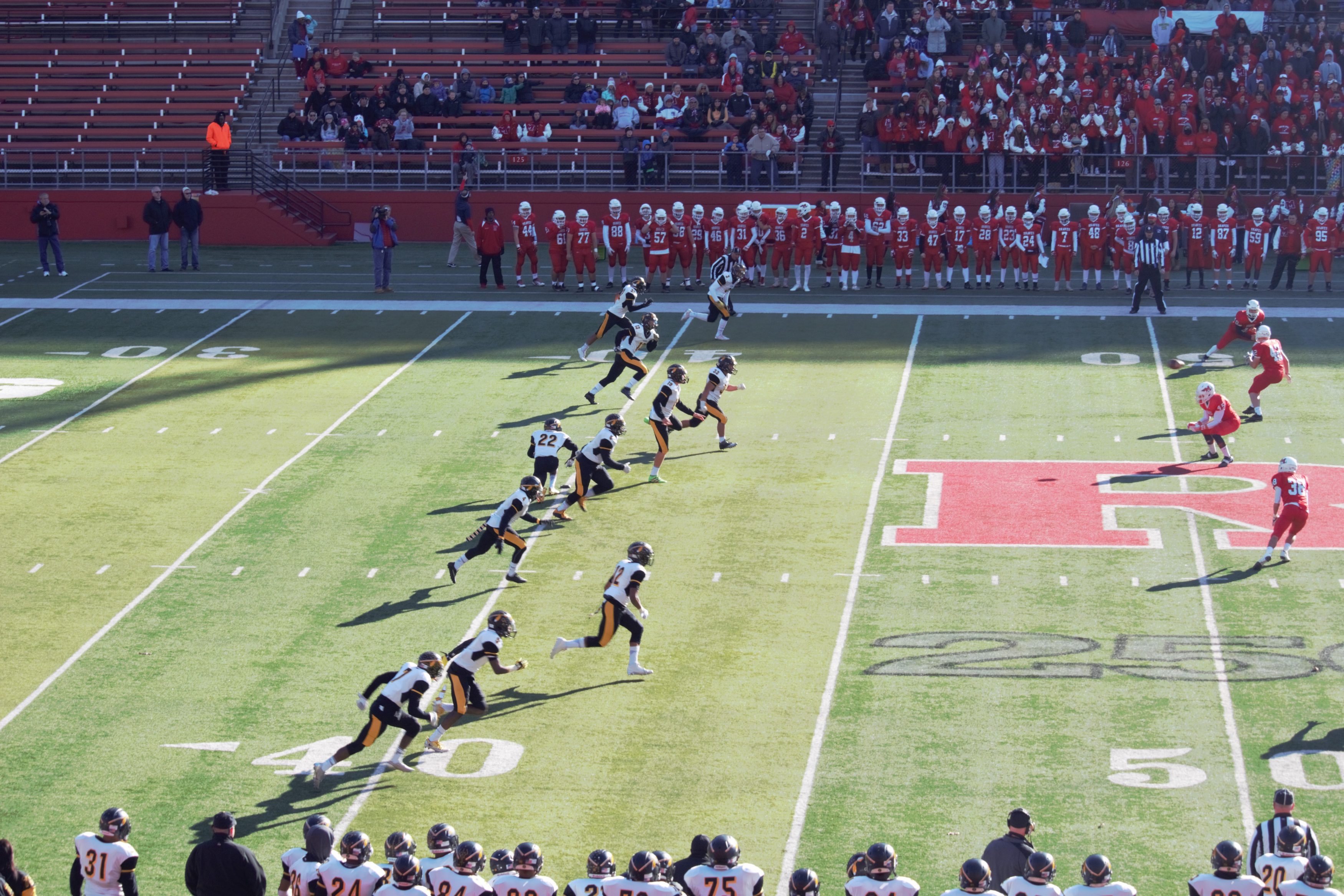
Punting improves field position but guarantees the opponent possession.
Punting improves field position but gives the opponent possession. Traditional football culture often treated a punt as the neutral choice, but possession is valuable. If an offense has a strong chance to convert a short fourth down, surrendering the ball can be more costly than it appears.
A punt can still be correct. The point is that it should be evaluated as an active decision, not as the default action.
Field Position Changes Everything
Fourth-down aggressiveness usually increases in certain areas of the field. Near a team’s own goal line, failure can hand the opponent an immediate scoring opportunity. Near midfield, the difference between a punt and a failed conversion may be smaller because a touchback or modest punt return reduces the field-position benefit of punting.
That is why many analytically aggressive decisions occur between roughly the offense’s own 40-yard line and the opponent’s 35-yard line—the traditional “gray zone” where a field goal may be difficult and a punt may not gain enough value.
Field-Goal Probability
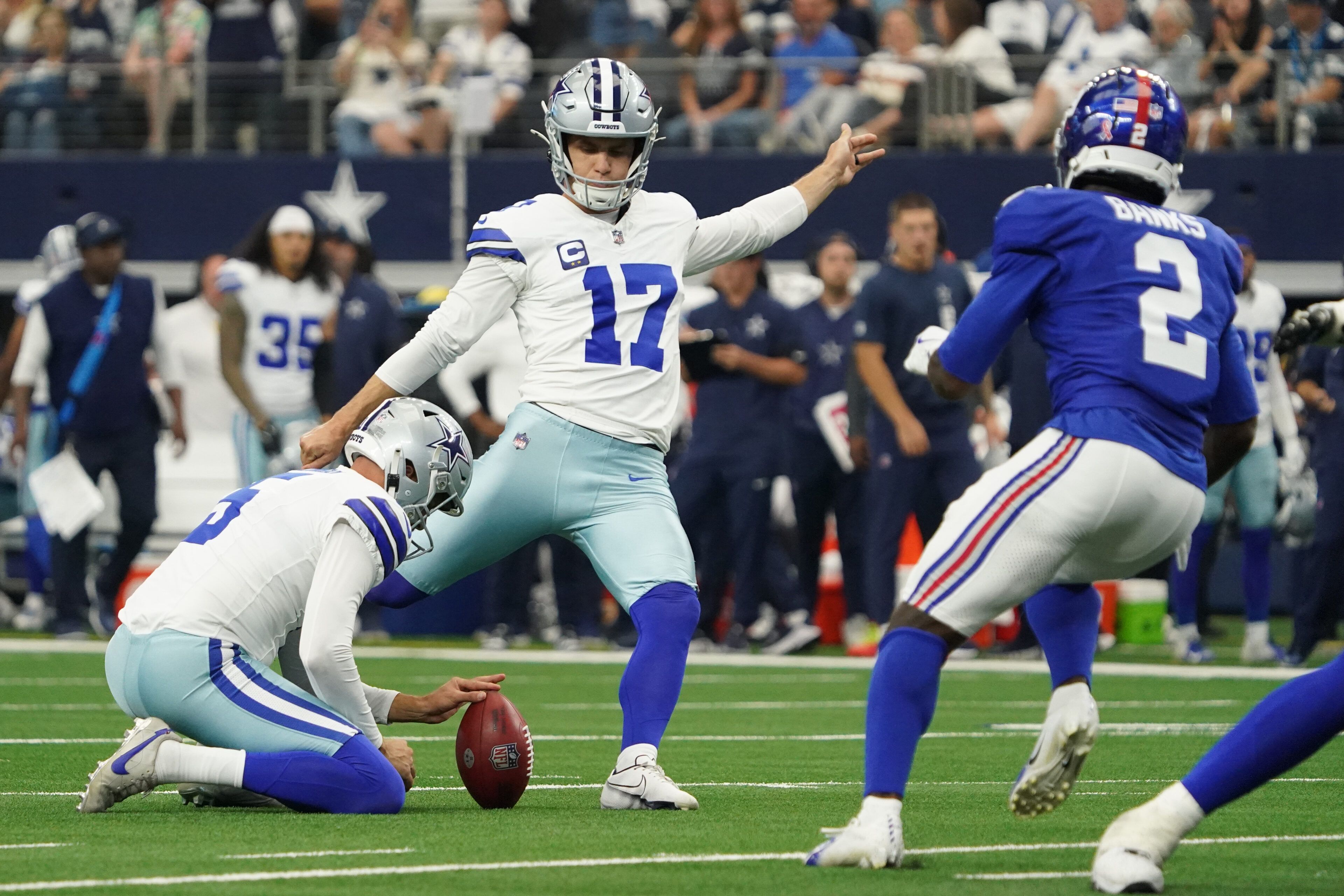
A field-goal attempt has its own success probability based on distance and conditions.
A long field goal is not worth three points automatically. The team must consider the probability that the kicker makes it. Distance, weather, wind, surface and individual kicker range all matter.
If the kick has a 55 percent chance of success while the offense has a 65 percent chance of converting fourth-and-2, the decision becomes more interesting. The team also must account for what happens after each outcome.
Short-yardage packages can make fourth-and-inches highly convertible.
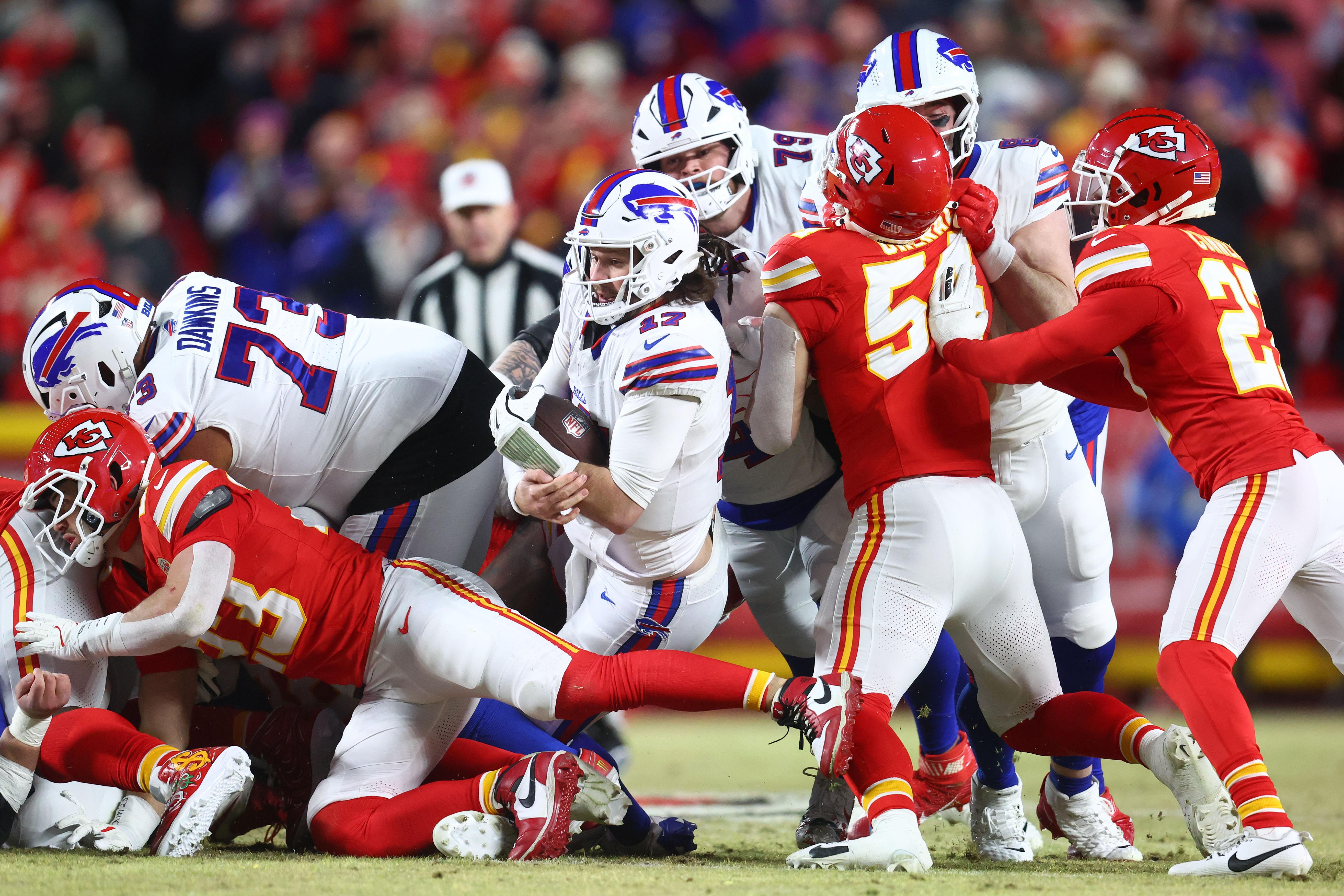
Short-yardage quarterback runs have made some fourth downs more attractive. A strong sneak package can convert inches at a high rate because the offense knows the snap count and can attack a small area immediately.
The quarterback’s physical profile matters, but technique, center play and interior-line leverage are equally important. The offense may also use motion or formation to make the defense uncertain about whether the quarterback will sneak, hand the ball off or throw.
Fourth Down Against Two-High Defenses
Defensive structure changes the call. A light box may encourage a run. A heavy front can create one-on-one opportunities outside. A defense that crowds the line can be vulnerable to play action or a quick pass behind pressure.
Multiple tight ends can create run strength while preserving play-action and receiving options.
Multiple tight ends create flexibility. The offense can line up as if it intends to run, then motion a tight end into the slot or release him on play action. If the defense responds with bigger personnel, the offense may gain a receiving mismatch. If the defense stays small, the run can gain a blocking advantage.
Analytics does not know every detail. A quarterback may have an injured throwing hand. The offensive line may have lost two starters. The kicker may be unusually comfortable with the wind direction. A defensive star may have just left the game.
Good decision-making combines model output with football context. The mistake is not disagreeing with analytics; the mistake is ignoring the tradeoffs entirely.
Game Script Matters
A heavy underdog may need to accept more variance. Settling for field goals while the opponent scores touchdowns can slowly reduce the chance of an upset. An aggressive fourth-down approach can create additional possessions and scoring chances.
A large favorite may prefer lower-variance decisions in some situations because simply avoiding catastrophic mistakes can preserve an advantage. Strategy is connected to the quality of both teams, not just the down and distance.
Fourth Down and Overtime
Overtime produces some of the clearest fourth-down decisions because the required score may already be known. If the opponent scored a touchdown and the second team faces fourth down, punting is effectively surrendering the game.
Our 2026 NFL overtime guide explains how possession and clock rules change endgame strategy.
The Two-Point Conversion Connection
The same decision framework applies after touchdowns. A coach compares the chance of making one point, making two points and how each score affects the rest of the game. Late-game situations can create mathematically unusual choices that look strange if fans only think in terms of traditional scoring habits.
Why Fans Often Judge the Decision by the Result
If a team goes for fourth-and-2 and fails, the decision is immediately criticized. If the same team punts and the opponent drives for a touchdown, the punt may receive far less attention. This is outcome bias.
A good decision can fail. A poor decision can succeed. Evaluation should focus on the probabilities and context available before the play rather than only the result afterward.
A Practical Fourth-Down Decision Checklist
1. What is the exact distance?
2. Where is the ball on the field?
3. What is the score?
4. How much time remains?
5. How strong is the offense in short yardage?
6. What is the field-goal probability?
7. How much field position will a punt realistically gain?
8. What happens if the opponent receives the ball at each possible spot?
9. Does weather change kicking or passing conditions?
10. Is there an injury or matchup issue the model cannot fully capture?
How to Watch Fourth Downs Like an Analyst
Before the offense makes a decision, ask what each option is worth. If the broadcast says “they should take the points,” consider whether the field goal is actually automatic and what a touchdown would be worth. If the announcer says a coach is “gambling,” ask whether the conversion probability is high enough that the aggressive choice is actually the safer long-term strategy.
Common Fourth-Down Misconceptions
“Going for it is always aggressive.”
Sometimes going for it is simply the highest-probability decision. A short conversion may be more reliable than a long field goal.
“Punting is always safe.”
Punting protects field position but guarantees the opponent possession. That is a real cost.
“Analytics ignores football.”
Good models use football inputs such as distance, field position, time and team strength. Coaches then add information the model may not know.
“A failed fourth down proves the decision was wrong.”
No. A decision should be judged by expected outcome, not one result.
Frequently Asked Questions
What is fourth-down conversion probability?
It is an estimate of how likely the offense is to gain the required distance on a fourth-down attempt.
What is win probability?
It is an estimate of the chance a team wins from a specific game state based on factors such as score, time, possession and field position.
Why do teams go for fourth down near midfield?
The field-position value of a punt is often smaller there, while a successful conversion preserves possession and can create a scoring drive.
Do NFL coaches receive analytics during games?
Teams have extensive decision-support processes, although each club uses data differently. The public Next Gen Stats Decision Guide demonstrates the type of probability framework used to evaluate these situations.
Conclusion
Fourth-down strategy in 2026 is not about being aggressive for the sake of being aggressive. It is about understanding that every choice carries risk. Going for it can fail. A punt can waste a valuable possession. A field goal can miss. The correct decision depends on which outcome gives the team the best chance to win.
Once fans begin thinking in probabilities rather than labels such as “safe” and “risky,” fourth down becomes one of the most interesting parts of the game. The numbers do not replace coaching judgment. They make the tradeoffs visible—and that gives coaches a better foundation for one of football’s most important decisions.