How to Watch American Football: A Beginner’s Game-Day Guide
RedZoneHQ Staff · Aug 25, 2026
How to Watch American Football: A Beginner's Game-Day Guide American football becomes much more enjoyable once you know what to watch between the big hits and highlight plays. New viewers often make the mistake of follow…
How to Watch American Football: A Beginner's Game-Day Guide
American football becomes much more enjoyable once you know what to watch between the big hits and highlight plays. New viewers often make the mistake of following only the ball. The ball is important, but football is also a game of down and distance, field position, formations, matchups, clock management and strategic decisions.
The scoreboard provides the key information needed to understand game situations.
This guide shows you how to watch American football without needing years of experience. It gives you a simple checklist for every snap, explains what the scoreboard means, shows how to recognize common situations and helps you understand why coaches make decisions such as punting, going for it on fourth down or attempting a two-point conversion. If you want the official rule language, the 2026 NFL Rulebook is the authoritative reference.
Start with Five Questions Before Every Play
You do not need to understand every player assignment immediately. Before each snap, ask five questions:
1. Which team has the ball?
2. What down is it?
3. How many yards are needed for a first down?
4. Where is the ball on the field?
#5How much time remains?
If you can answer those questions, most strategic choices will begin to make sense.
Understand Down and Distance First
Down and distance explain how many attempts the offense has and how far it must advance.
The offense normally has four downs to gain at least 10 yards. If it succeeds, it receives a new first down. If it fails by the end of fourth down, possession usually changes unless the offense punts or attempts a field goal.
What “2nd & 7” means
It means the offense is on second down and needs seven more yards for a first down. The team has already used one of its four attempts.
Why third down matters
Third down is often the most important normal down because failure usually creates a fourth-down decision. A third-and-1 situation gives the offense many options. Third-and-15 strongly favors a pass because the offense needs a large gain.
You can follow the scoreboard quickly by memorizing five values:
• Touchdown: 6 points
• Extra-point kick: 1 point
• Two-point conversion: 2 points
• Field goal: 3 points
• Safety: 2 points
A touchdown followed by a successful extra point usually creates a seven-point possession. A touchdown followed by a successful two-point conversion creates eight.
Our NFL scoring guide explains why score margins such as three, seven, eight and nine points influence late-game strategy.
Read the Scoreboard Like a Coach
Most broadcasts show the score, quarter, game clock, down and distance, and play clock. Those numbers tell you far more than just who is winning.
Scoreboard item
Why it matters
Score
Determines which scoring options are valuable
Quarter
Shows the stage of the game
Game clock
Controls how much competitive time remains
Down
Shows which attempt the offense is using
Distance
Shows yards needed for a first down
Play clock
Shows how long the offense has to start the next play
Find the Quarterback Before the Snap
Finding the quarterback is an easy starting point for reading offensive formations.
The quarterback is your best visual starting point. If the quarterback stands directly behind the center, the offense is under center. If the quarterback is several yards behind the center, the offense is in shotgun. A middle-depth alignment can be a pistol look.
Once you find the quarterback, you can begin identifying running backs, receivers and tight ends around the formation.
Count the Receivers and Running Backs
A formation gives clues about what the offense may threaten.
• More wide receivers can spread the defense.
• Multiple tight ends can add blocking strength.
• A fullback can suggest a more traditional power-running look.
• An empty backfield can spread five eligible receivers across the formation.
None of these formations guarantees a play. Good offenses deliberately run and pass from similar looks. Our offensive formations guide explains shotgun, trips, bunch, pistol and empty sets.
Watch the Offensive Line Instead of the Ball Sometimes
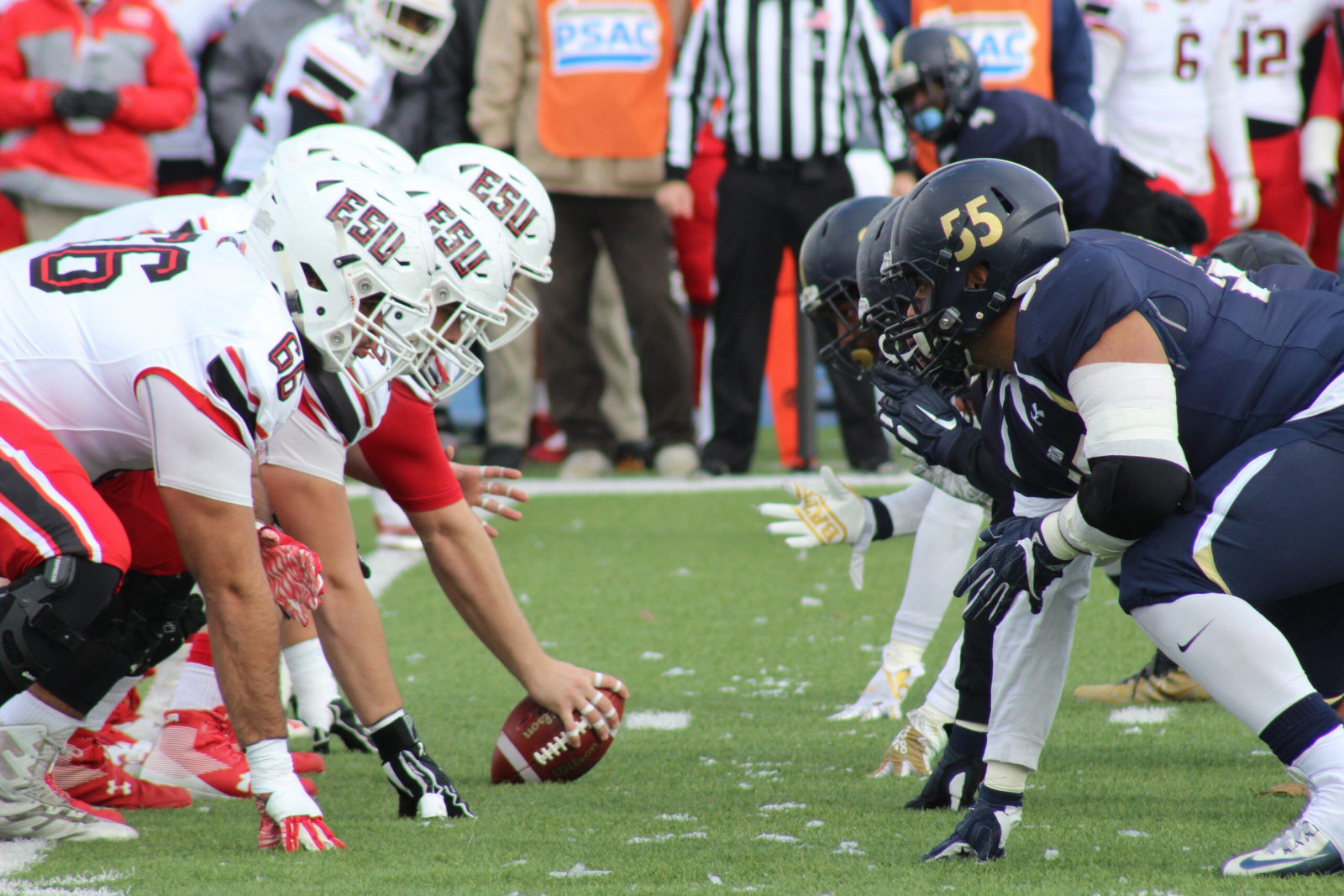
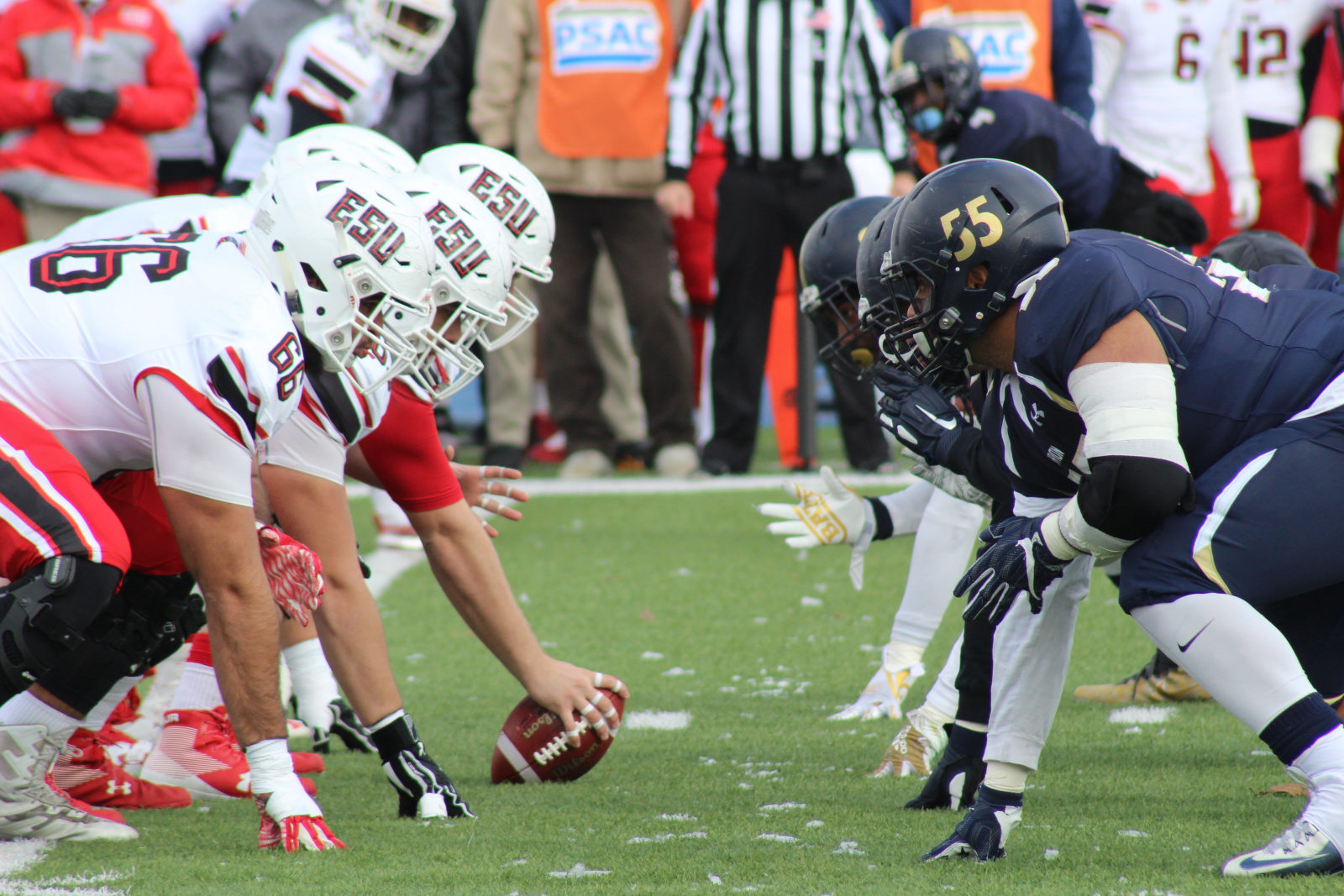
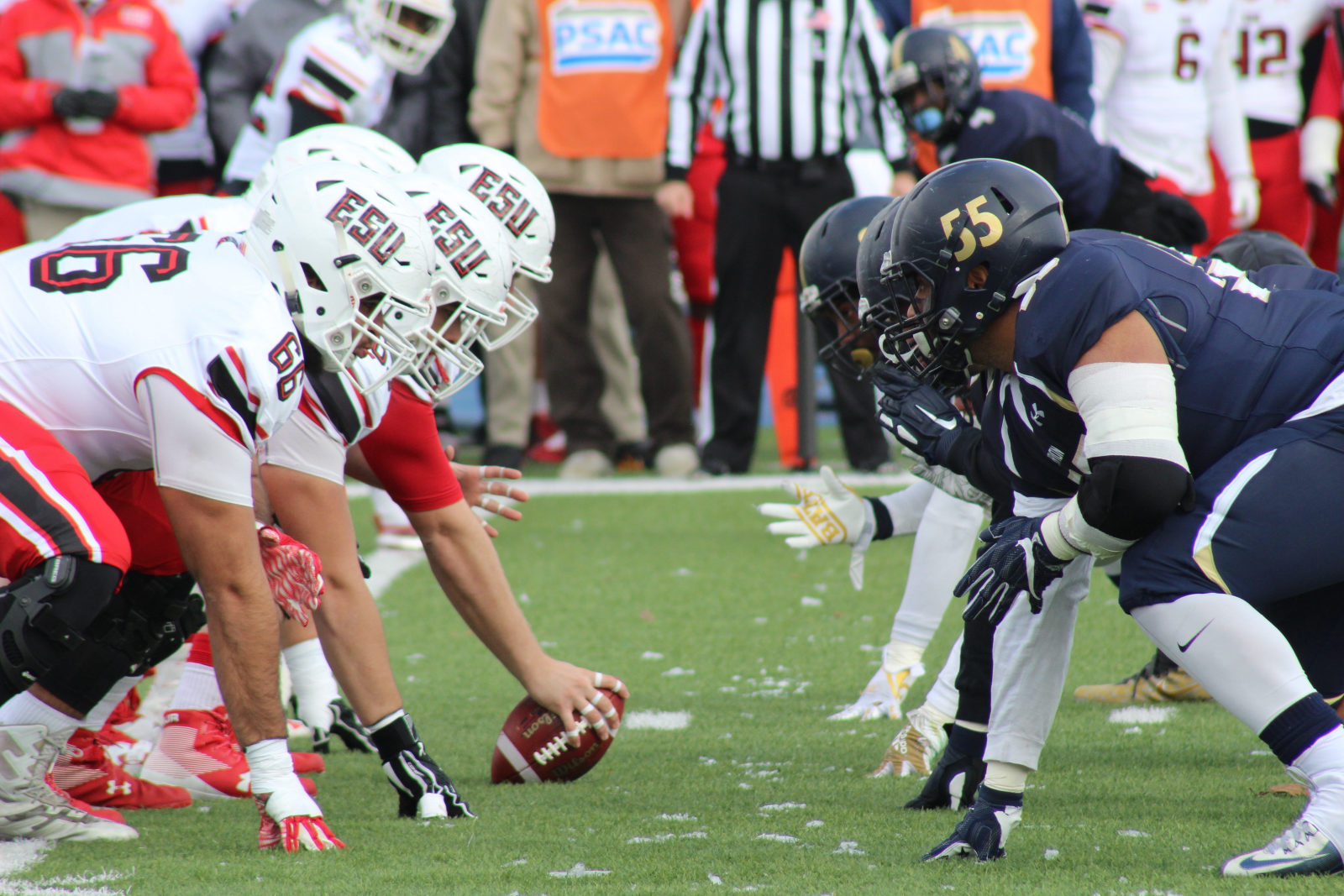
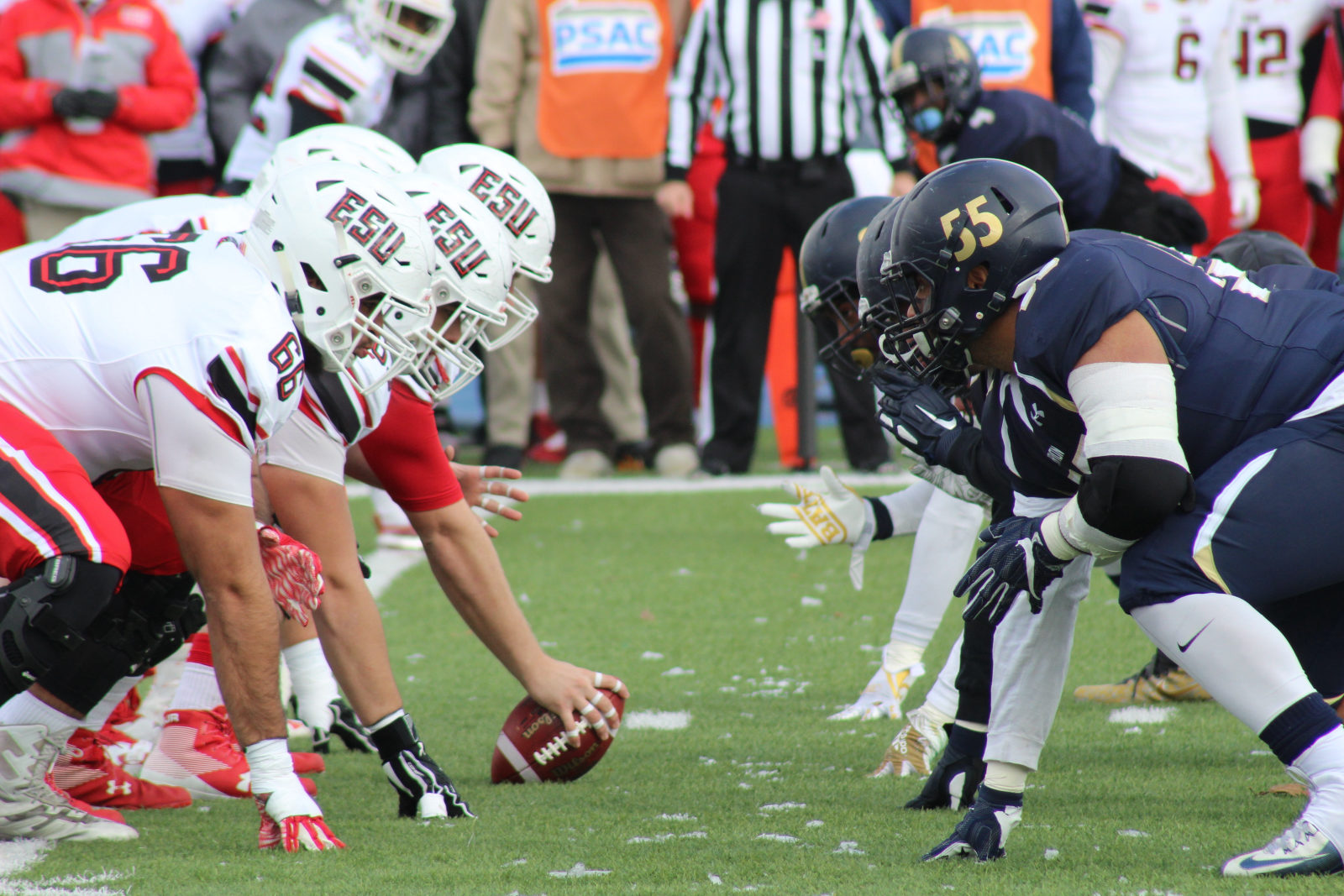
If you want to understand a play faster, watch the offensive line immediately after the snap.
Clues for a running play
Linemen may fire forward, move laterally together or pull to another part of the formation to create a running lane.
Clues for a passing play
Linemen often retreat into pass-protection positions and form a pocket around the quarterback.
This is not a perfect rule because play-action passes are designed to resemble runs, but watching the line teaches you how plays are built.
Learn the Main Position Groups
You do not need to memorize every specialized role on day one. Start with these groups:
• Quarterback: Handles the snap and directs the offense.
• Running backs: Run, catch and block.
• Wide receivers: Run routes and catch passes.
• Tight ends: Combine blocking and receiving responsibilities.
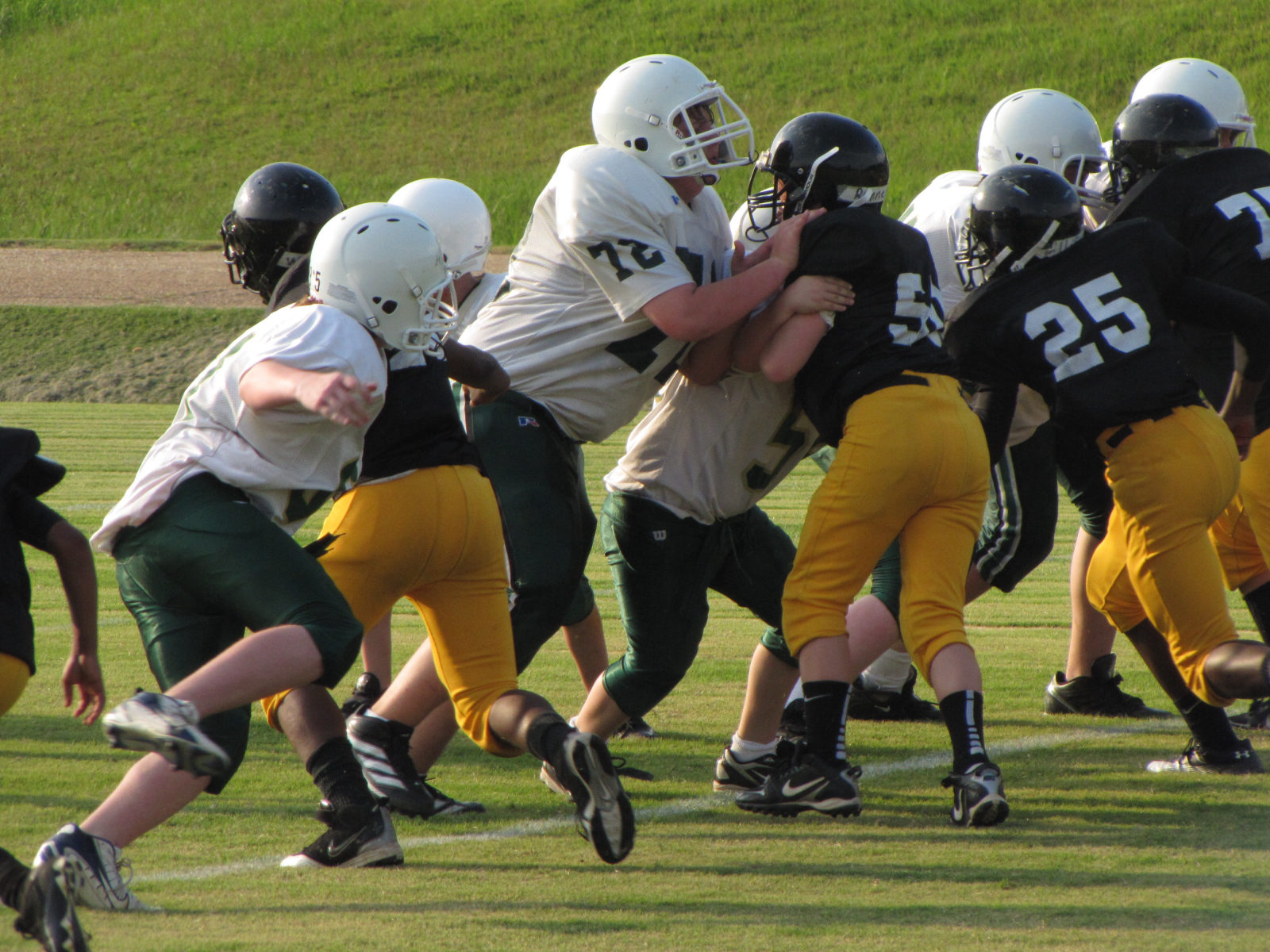
• Offensive line: Protects the quarterback and opens running lanes.
• Defensive line: Attacks blockers, stops runs and pressures the quarterback.
• Linebackers: Defend runs, cover and rush.
• Defensive backs: Cover receivers and protect deeper areas.
Not every good play is a touchdown or a 30-yard gain. Football is often about staying “ahead of the chains.”
If the offense gains six yards on first down, second-and-4 is a favorable situation because the entire playbook remains available. A two-yard loss on first down creates second-and-12 and allows the defense to anticipate passing more confidently.
Think in terms of staying on schedule
Strong offenses consistently create manageable second and third downs. That keeps the defense uncertain.
Watch Field Position
Where a drive begins matters. An offense starting near its own goal line has less room for mistakes and may play conservatively. An offense beginning near midfield can reach field-goal range with only a few successful plays.
Punts are easier to understand when you think about field position rather than only possession.
Why Teams Punt on Fourth Down
A punt gives the ball to the opponent but tries to make the opponent start farther from the end zone. On fourth-and-long near a team's own territory, punting can be much safer than risking a failed conversion.
The decision changes with field position, score and time. Fourth-and-1 near midfield may produce an aggressive attempt, while fourth-and-12 deep in your own territory usually favors a punt.
Why Teams Go for It on Fourth Down
Teams become more aggressive when the expected value of keeping possession outweighs the field-position risk.
Factors coaches consider
• Distance needed
• Field position
• Score
• Time remaining
• Opponent strength
• Confidence in the offense
• Kicker range
Modern analytics have encouraged teams to attempt more fourth-down conversions in certain situations, but every game context is different.
Recognize Basic Defensive Looks
You do not need to identify advanced coverage immediately. Start by counting defensive backs and deep safeties.
Nickel
Five defensive backs. Common against three-receiver offenses.
Dime
Six defensive backs. Often used in clear passing situations.
Single-high safety
One safety appears deep in the middle.
Two-high safeties
Two defenders appear deep, often giving the defense more protection against deep passes.
Football is often decided by individual matchups inside a team concept. Watch an elite receiver against a cornerback, a pass rusher against an offensive tackle or a tight end against a linebacker.
Coaches use motion and formation changes to create favorable matchups. If a running back moves to the slot and a linebacker follows him, the quarterback may learn that the defense is using man coverage.
Understand Motion Before the Snap
When a receiver moves across the formation, watch what the defense does.
• If one defender follows, it may suggest man coverage.
• If defenders stay in areas and communicate, it may suggest zone principles.
• The offense may use motion simply to improve leverage or blocking.
Do not treat motion as a guaranteed coverage detector, because defenses disguise their calls. Use it as one clue.
What to Watch on a Passing Play
1. Watch the offensive line form the pocket.
2. Notice how many defenders rush.
3. Watch receivers spread across different depths.
4. See whether defenders follow specific receivers or protect zones.
5. Watch the quarterback's timing and movement.
6. After the catch, watch blocking and pursuit.
What to Watch on a Running Play
1. Identify the direction of the blocking.
2. Look for the designed gap or edge.
3. Watch whether the running back follows or cuts away from the original path.
4. Notice linebackers filling gaps.
#5Watch receivers and tight ends block downfield.
A long run is usually a team achievement, not simply the runner beating 11 defenders alone.
Learn the Most Common Penalties
Start with five flags:
• False start
• Offside
• Holding
• Pass interference
• Delay of game
Once those make sense, add roughing, illegal contact, facemask and unsportsmanlike conduct. Our football penalties explained guide covers enforcement in detail.
Clock Management Changes Everything Late
Clock management becomes critical in the final minutes of each half.
The final minutes of each half create a different style of football. Teams use timeouts, hurry-up offense, sideline routes, spikes and clock awareness to create or deny additional possessions.
A team leading late may run the ball and keep the clock moving. A trailing team may throw toward the sidelines, use no-huddle tempo and preserve timeouts.
Why Teams Run the Ball When Everyone Expects It
A team protecting a lead values the clock. Even if the defense expects a run, a successful rushing play can force the opponent to use a timeout or allow time to expire.
That is why the “best” play statistically may not always be the best game-management decision.
Understanding the Two-Minute Situation
Near the end of a half, offenses often change tempo. The objective may be to score while leaving the opponent as little time as possible.
Watch for:
• No-huddle offense
• Receivers working toward sidelines
• Quarterback spikes
• Timeout management
• Field-goal range
• Defenses protecting deep boundaries
How to Watch Replay Reviews
Instant replay can review specific rulings under league rules. When a review begins, listen to the broadcast explanation of what element is being examined: possession, boundary, ball spot, scoring, turnover or another reviewable issue.
Do not assume every close play can be reviewed. Rule 15 of the NFL rulebook defines reviewable and non-reviewable categories.
A Beginner's Quarter-by-Quarter Approach
Part of game
What to focus on
1st quarter
Formations, early strategy, matchup clues
2nd quarter
Adjustments and end-of-half clock management
3rd quarter
Halftime adjustments and run/pass balance
4th quarter
Score margin, possessions, timeouts and fourth-down decisions
Do Not Worry About Memorizing Every Rule
Even experienced fans learn new details from unusual plays. Focus first on the structure of the game. When a rare rule appears, listen to the referee and broadcaster, then check the official rulebook afterward if you want the exact explanation.
This approach keeps the game enjoyable rather than turning your first few broadcasts into an exam.
Frequently Asked Questions
What should a beginner watch first?
Start with down, distance, score, field position and time. Those five pieces explain most decisions.
Why does the game stop so often?
The clock stops for several rule-based reasons, including incomplete passes, scores, timeouts, possession changes and certain boundary situations. Broadcast breaks add additional real-world time.
Why do players change so often?
Football allows frequent substitutions between plays, so teams use different personnel for offense, defense, special teams and situation-specific packages.
Why do teams kick field goals instead of trying for touchdowns?
Three points may be strategically valuable when a touchdown attempt is too risky or when fourth down ends a drive.
How long does it take to understand football?
Most beginners can follow the basic game after learning downs, scoring and possession. Formations and advanced strategy become clearer with repeated viewing.
Conclusion
The best way to learn American football is to watch with a simple structure. Identify possession, down, distance, field position and time before each play. Then notice the formation, watch the line immediately after the snap and follow how the play changes the next situation.
You do not need to understand every coverage or penalty to enjoy the sport. Each game teaches you something new. After a few weeks of using this checklist, you will begin predicting punts, fourth-down attempts, passing situations and clock-management decisions before the commentators explain them. That is the point where football changes from a confusing sequence of plays into a strategic game you can read in real time.