NCAA Targeting Rule Changes for 2026: What Players and Fans Need to Know
RedZoneHQ Staff · Aug 24, 2026
NCAA Targeting Rule Changes for 2026: What Players and Fans Need to Know Few college football rules create more immediate debate than targeting. A single replay review can change a drive, remove a defender from the game …
NCAA Targeting Rule Changes for 2026: What Players and Fans Need to Know
Few college football rules create more immediate debate than targeting. A single replay review can change a drive, remove a defender from the game and, under older penalty structures, affect the player's availability in the next contest. For the 2026 Division I season, the NCAA approved a one-year trial that changes the carryover consequences for repeat targeting disqualifications while keeping the sport's player-safety objective at the center of the rule.
The change is important because it separates the in-game disqualification from the additional next-game penalty. A first targeting disqualification during the 2026 season no longer automatically causes a player to miss the first half of the next game based solely on when the foul occurred. Instead, the new trial uses escalating consequences when a player is disqualified for targeting multiple times during the same season.
This guide explains the 2026 targeting penalty structure, what did and did not change, how replay fits into the process, why repeat offenses now matter more and what coaches, players and fans should watch. The authoritative current source is the NCAA's March 2026 targeting-rule update.
What Changed for 2026?
The Division I Football Bowl Subdivision Oversight Committee approved a one-year trial rule for the 2026 season that changes the additional suspension consequences attached to targeting disqualifications.
Under the approved structure:
• First targeting disqualification of the season: the player may participate in the next game.
• Second targeting disqualification of the season: the player must miss the first half of the next game.
• Third targeting disqualification of the season: the player must miss the entire next game.
The NCAA also allows a conference to initiate an appeals process after a player's second targeting offense. That gives conferences a formal mechanism within the trial structure while preserving escalating consequences for repeated disqualifications.
What Did Not Change?
The penalty adjustment does not mean targeting has been removed or treated as a minor foul. A player penalized and disqualified for targeting can still be removed from the current game under the rule. The change primarily affects what happens in the next game based on the player's season-long targeting history.
That distinction is essential. Fans sometimes hear “the targeting rule changed” and assume the definition of illegal contact disappeared. The 2026 trial is focused on the penalty structure for subsequent-game participation, not an abandonment of the safety standard.
Why the Old Carryover Rule Was Controversial
Under the previous structure, the timing of a targeting disqualification could determine whether a player missed part of the next game. A disqualification in the second half could carry over into the first half of the following contest. That created situations in which the same type of foul could have consequences extending across two games depending on when it occurred.
Critics argued that the structure could create disproportionate consequences for a first offense, particularly when replay showed a borderline play that still met the technical standard. Supporters of strong penalties emphasized deterrence and player safety.
The 2026 trial attempts a different balance: retain immediate disqualification while escalating next-game penalties for players who accumulate additional targeting offenses during the season.
Why This Is a One-Year Trial
A trial allows the NCAA and its football governance groups to evaluate the practical effect before deciding whether to make the structure permanent, modify it or return to a different model. Useful questions include:
• Does the new structure change the number of repeat targeting incidents?
• Does it improve consistency in how players are treated?
• How often are second-offense appeals used?
• Does the change affect coaching technique or tackling behavior?
• Are there unintended competitive consequences?
Rule experiments are valuable when they generate evidence rather than relying only on theoretical arguments.
What Is Targeting in College Football?
Targeting is defined by specific contact criteria rather than simply how hard a tackle looks.
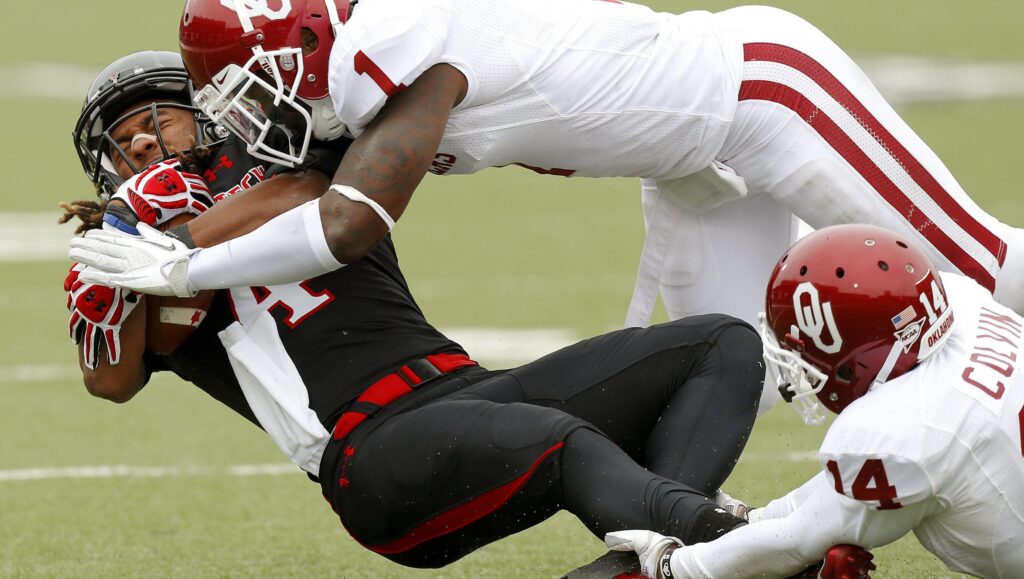
Targeting is more specific than “a very hard hit.” NCAA football rules identify prohibited contact involving elements such as forcible contact to the head or neck area of a defenseless opponent and certain dangerous actions involving the crown of the helmet. Exact wording and interpretations belong to the official rulebook and officiating guidance.
The practical point is that officials and replay do not judge the sound or violence of the collision alone. They evaluate the characteristics of the contact, the status of the opponent and the rule's indicators.
A hard legal tackle can still be legal
Football remains a contact sport. A defender can deliver a forceful tackle without committing targeting if the action stays within the rules. The safety objective is to remove specific dangerous techniques, not every collision that looks dramatic on television.
Why “Defenseless Player” Status Matters
Some players are particularly vulnerable because they cannot reasonably protect themselves from certain contact. Examples can include a receiver in the process of completing a catch or a player whose attention is directed elsewhere in a way recognized by the rule.
Defenders are still allowed to make legal plays on the ball carrier or receiver, but technique becomes critical. Lowering the strike zone, avoiding prohibited head or neck contact and keeping the head out of dangerous positions are essential coaching points.
The Crown-of-the-Helmet Problem
Keeping the head up and avoiding crown-first contact is central to safer tackling technique.
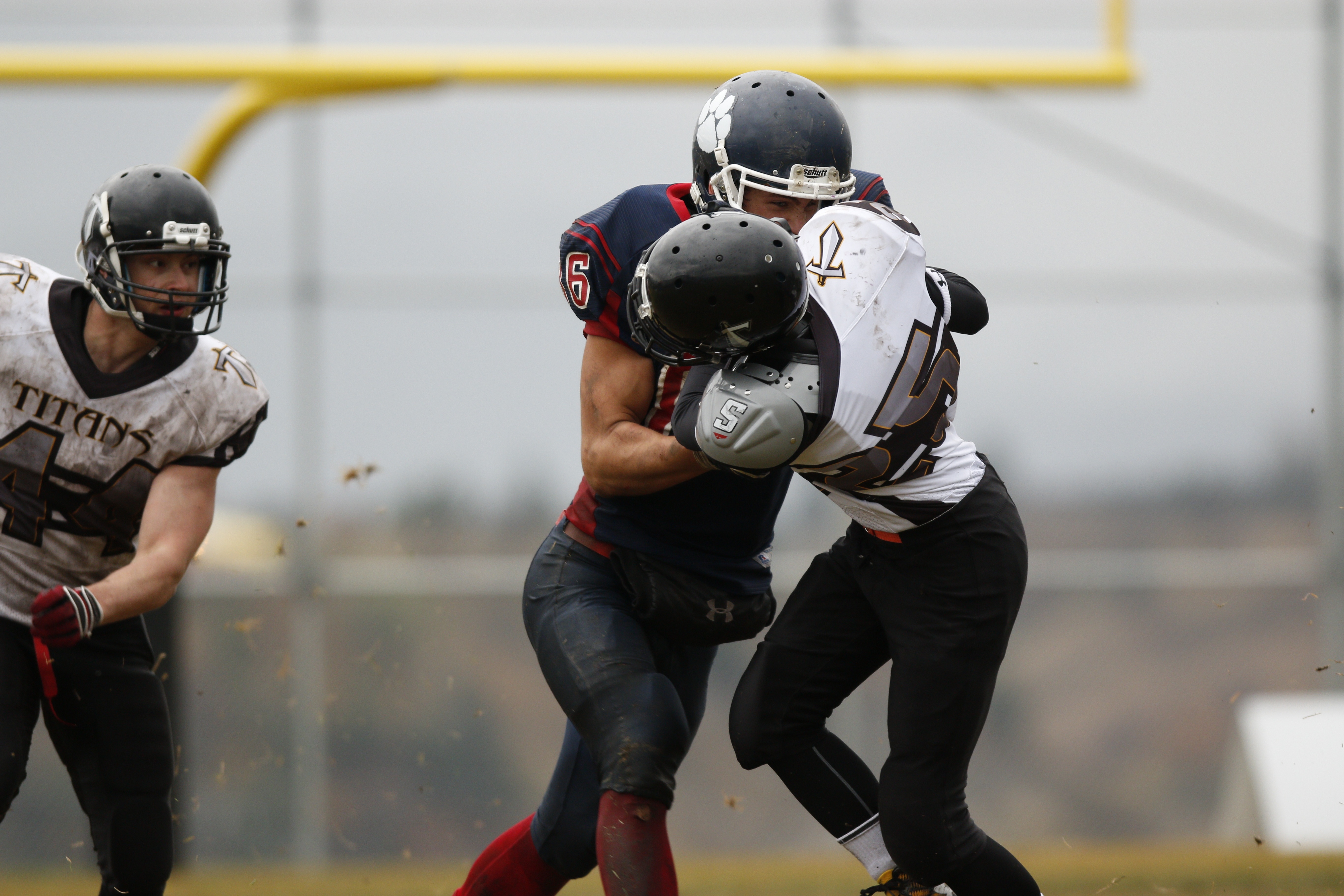
Targeting rules also address dangerous use of the crown of the helmet. This protects both the player being hit and the player initiating contact. A defender who drops his head and turns the helmet into the primary point of force can expose his own neck and spine to significant risk.
Good tackling technique emphasizes seeing the target, maintaining body control and using the shoulder and arms rather than launching the top of the helmet into an opponent.
How Replay Review Fits Into Targeting
Multiple replay angles can help officials evaluate the point and nature of contact.
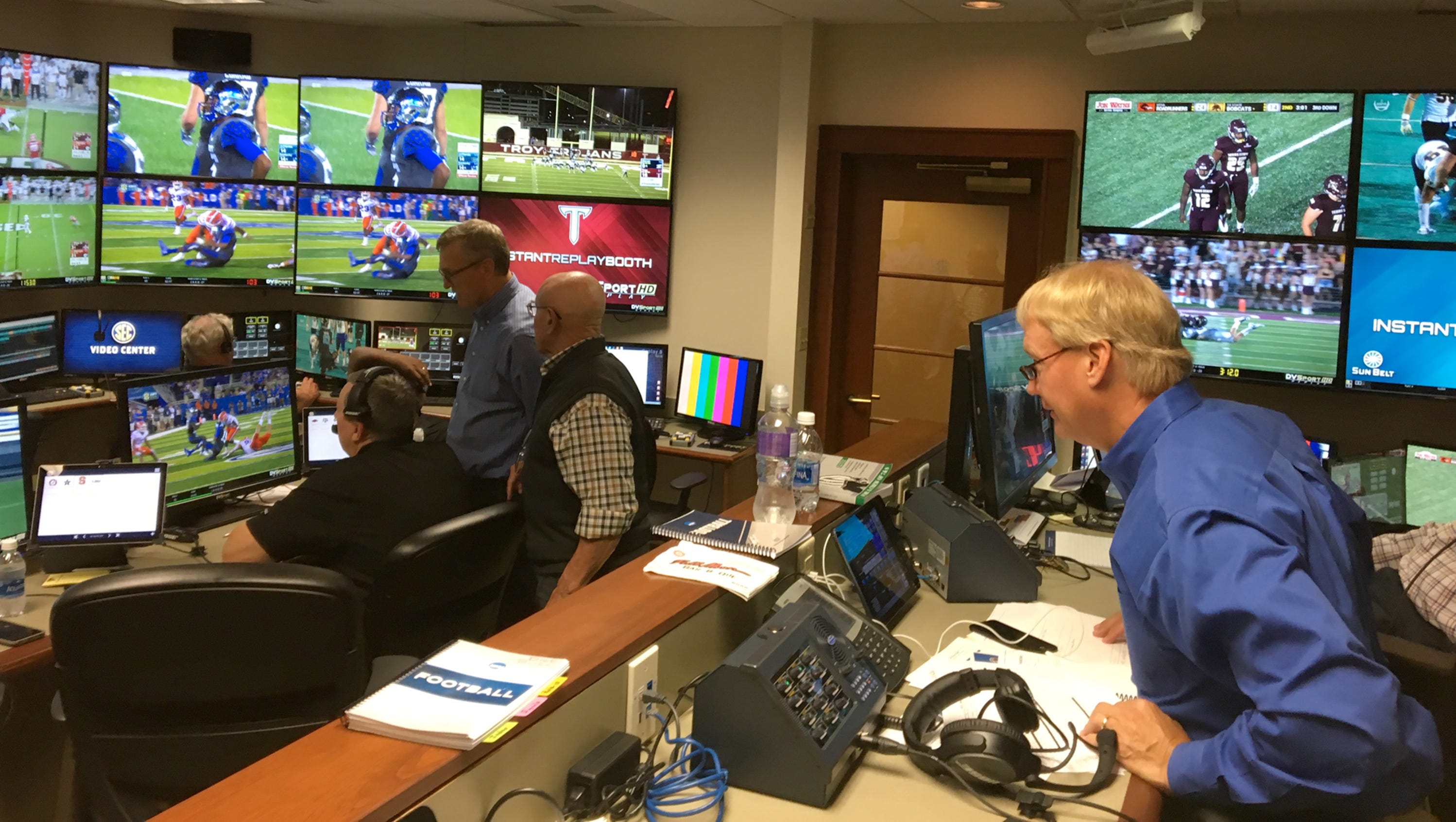
Targeting is closely associated with replay because of the serious consequence of disqualification. Slow-motion and multiple camera angles can help officials determine where contact occurred, which part of the helmet or body delivered the force and whether the rule's required elements are present.
Replay is useful, but it also creates a challenge: slowing a collision frame by frame can make ordinary contact look more deliberate than it was in real time. Officials therefore must apply the written rule rather than judge intent from one dramatic frame.
Why camera angle matters
One angle may make helmet contact appear primary while another shows the shoulder arriving first. A sideline camera may show the strike zone clearly, while an end-zone view reveals body posture. High-quality review depends on the complete sequence.
First Offense in 2026: What Happens?
If a Division I player is disqualified for targeting for the first time during the 2026 season, the player can participate in the next game under the approved trial. The player still faces the immediate in-game consequence of the targeting decision.
This is a meaningful change because the next opponent is no longer automatically affected by a first targeting disqualification simply because of the timing of the foul.
Second Offense: Escalation Begins
A second targeting disqualification during the same season carries a stronger additional consequence: the player must miss the first half of the next game.
This changes coaching risk management. A player with one targeting disqualification now enters future games knowing that another confirmed targeting foul can affect the following contest as well.
Teams may emphasize technique even more strongly with players who have already received one disqualification, particularly at positions involved in frequent high-speed tackles such as safety and linebacker.
Third Offense: Full-Game Consequence
A third targeting disqualification during the same season requires the player to miss the entire next game under the 2026 trial structure. The NCAA noted when announcing the rule that no player was disqualified for targeting three times during the 2025 season, illustrating how uncommon that level of repeat offense is.
The escalating model is designed to distinguish an isolated incident from a repeated pattern while maintaining a strong deterrent for multiple violations.
How the Conference Appeals Process Works Conceptually
The 2026 framework permits a conference to initiate an appeal after a player's second targeting offense. The precise process should be followed through conference and NCAA guidance rather than informal social-media interpretations.
The existence of an appeal mechanism matters because replay decisions can involve difficult judgment about rapidly developing contact. A structured review provides a formal route rather than leaving the issue to public debate.
How Coaches Should Teach Tackling Under the New Structure
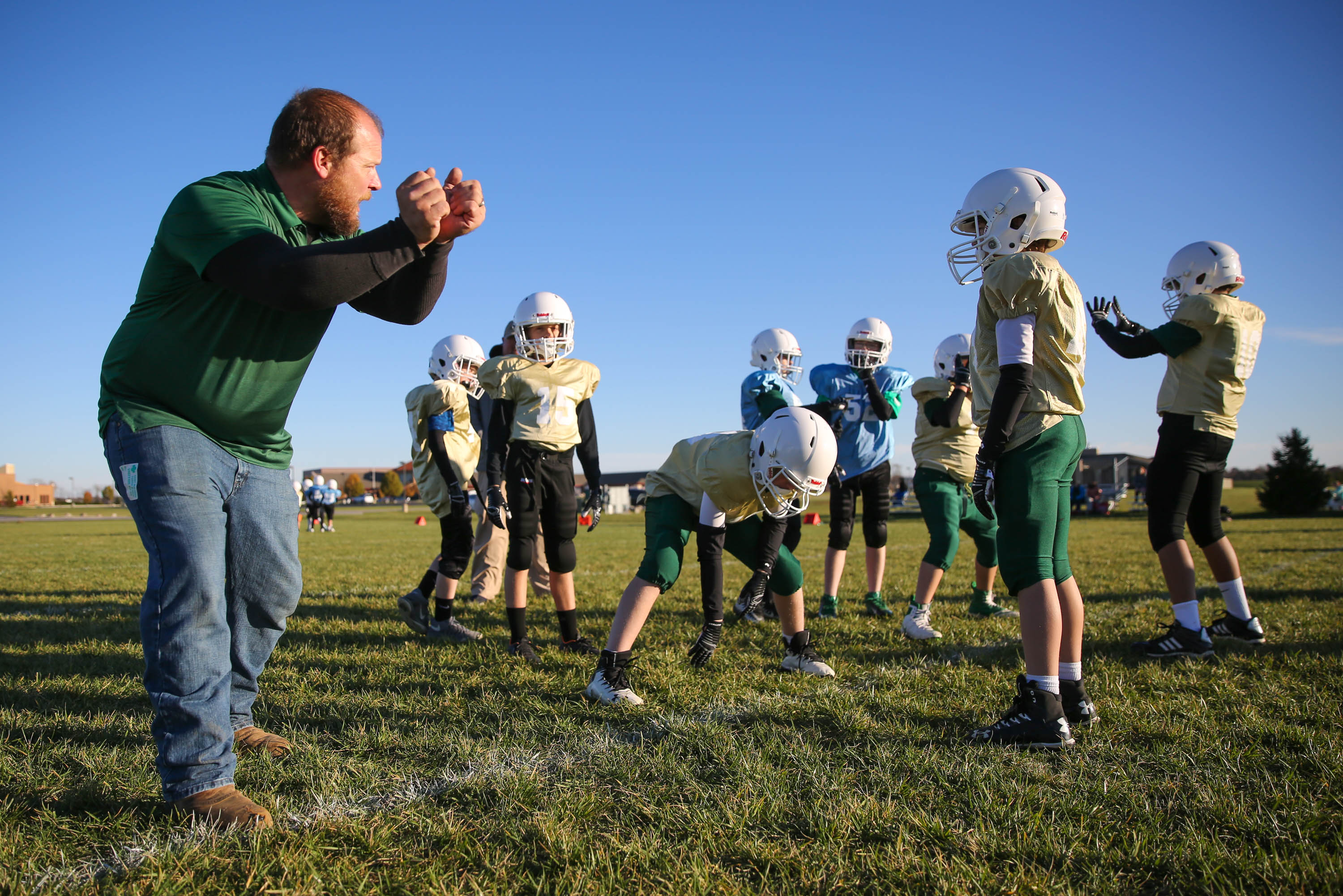
Repeatable legal tackling technique reduces penalty risk and supports player safety.
The safest coaching response is not to teach players how close they can come to targeting. It is to reinforce repeatable legal technique.
Tackling checklist
• Keep the head up and eyes through the target.
• Avoid using the crown of the helmet as the primary contact point.
• Lower the strike zone when approaching a vulnerable receiver.
• Wrap with the arms rather than relying on a launch.
• Control body angle when arriving as the second defender.
• Understand when a player is considered defenseless.
Good technique reduces penalty risk and can also reduce risk to the tackler.
Why Safeties and Linebackers Face Difficult Decisions
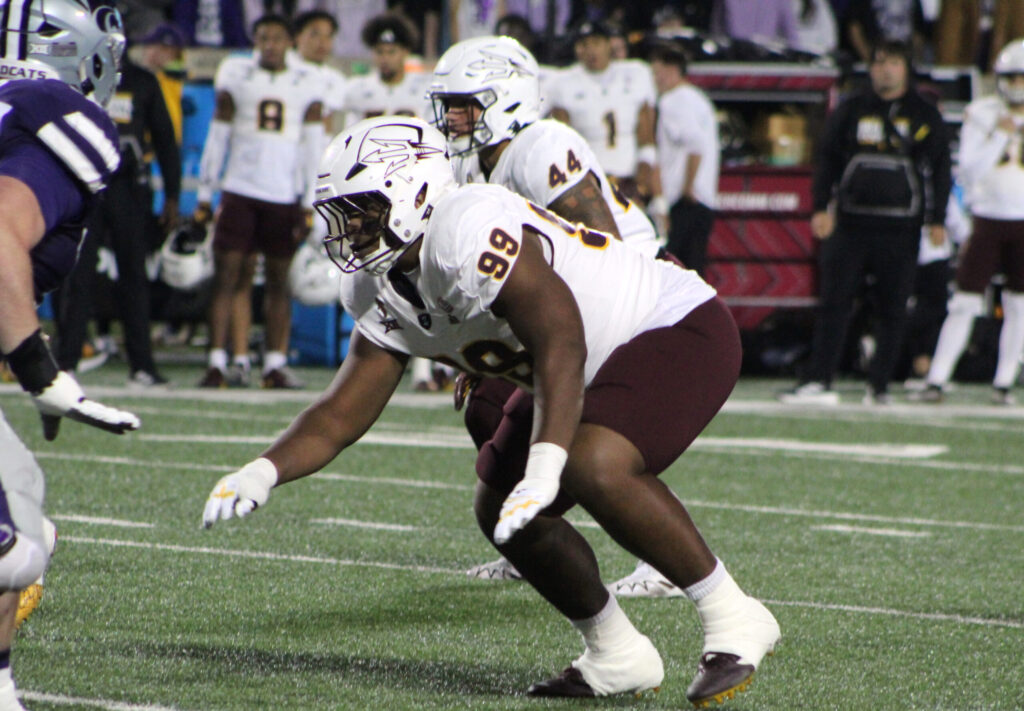
Second-level defenders operate in space, often closing rapidly on receivers, running backs and quarterbacks. They must make decisions in fractions of a second while accounting for route direction, ball location and another player's movement.
Modern defensive structures can place hybrid safeties and nickel defenders in exactly those conflict situations. Our guide to the hybrid nickel or “star” defender explains why these players are asked to cover, tackle and fit the run from several alignments.
Targeting and Quarterback Protection
Quarterbacks can become vulnerable during certain phases of a play, but they are not automatically protected from every legal hit. Defenders must understand when a quarterback is a runner, when he has given himself up and which contact restrictions apply.
Late slides create some of the hardest real-time situations because the defender may already be committed to a tackle. The rules still govern the contact, but coaching must emphasize body control and anticipation.
Targeting Is Different From Unnecessary Roughness
Not every personal foul involving dangerous contact is targeting. Unnecessary roughness can apply to late hits, out-of-bounds contact and other prohibited actions that do not satisfy the specific targeting criteria.
This distinction matters because targeting includes the possibility of disqualification and the new season-long escalation structure. Fans should listen carefully to the referee's announcement rather than assuming every 15-yard personal foul is a targeting foul.
How the Rule Can Affect Game Strategy
A targeting disqualification can alter a defensive game plan immediately. Losing a starting safety may force a backup into complex coverage communication. Losing a linebacker can change pressure packages and run fits.
Teams with versatile depth have an advantage. A hybrid defensive back who can move between nickel and safety may allow the coordinator to adjust without changing the entire scheme.
Fans can evaluate targeting reviews more clearly by watching contact point, posture and multiple camera angles.
1. Identify the player being contacted and whether defenseless-player rules may apply.
2. Watch the tackler's head position.
3. Determine the primary point of contact.
4. Look at whether the player launches or thrusts upward.
5. Compare multiple camera angles.
#6Listen for whether replay confirms the elements required for targeting.
This produces a more informed discussion than judging the play solely by how violent it looked.
2025 Structure vs. 2026 Trial Structure
Issue
Previous approach
2026 Division I trial
First targeting offense
Could create next-game first-half carryover based on timing
No next-game half missed for first season offense
Second offense
Prior carryover framework
Miss first half of next game
Third offense
Prior framework
Miss entire next game
Appeal after repeat offense
Different structure
Conference may initiate appeal after second offense
Frequently Asked Questions
Was targeting eliminated for 2026?
No. Targeting remains a foul with in-game disqualification consequences. The trial changes the additional next-game penalty structure for repeat offenses.
Does a first targeting disqualification make a player miss the next game?
Under the 2026 Division I trial, a first targeting disqualification of the season does not require the player to miss the next game.
What happens after a second targeting disqualification?
The player must miss the first half of the next game under the trial structure.
What happens after a third targeting disqualification?
The player must miss the entire next game.
Is the new rule permanent?
No. It was approved as a one-year trial for the 2026 season, allowing the NCAA to evaluate the results.
Conclusion
The 2026 NCAA targeting change is best understood as a redesign of the penalty ladder, not a retreat from player safety. A first disqualification still removes the player from the current game, but the additional next-game consequence now escalates with repeated targeting disqualifications during the season.
For players, the practical lesson remains straightforward: legal tackling technique matters on every snap. For coaches, season-long tracking and teaching become even more important once a player has one targeting offense. And for fans, understanding the difference between the definition of targeting and the penalty structure makes replay discussions far clearer. The one-year trial will give college football real evidence about whether escalation provides a fairer and more effective approach while preserving the rule's core safety purpose.