NFL Draft Explained: Eligibility, Draft Order, Rounds and What Happens Next The NFL Draft is one of the most important roster-building events in American football. Every year, teams select eligible players—primarily from…
NFL Draft Explained: Eligibility, Draft Order, Rounds and What Happens Next
The NFL Draft is one of the most important roster-building events in American football. Every year, teams select eligible players—primarily from college programs—in an organized process designed to distribute new talent across the league. For fans, the draft combines scouting, strategy, trades and long-term planning. For prospects, it can be the moment years of preparation turn into a professional opportunity.
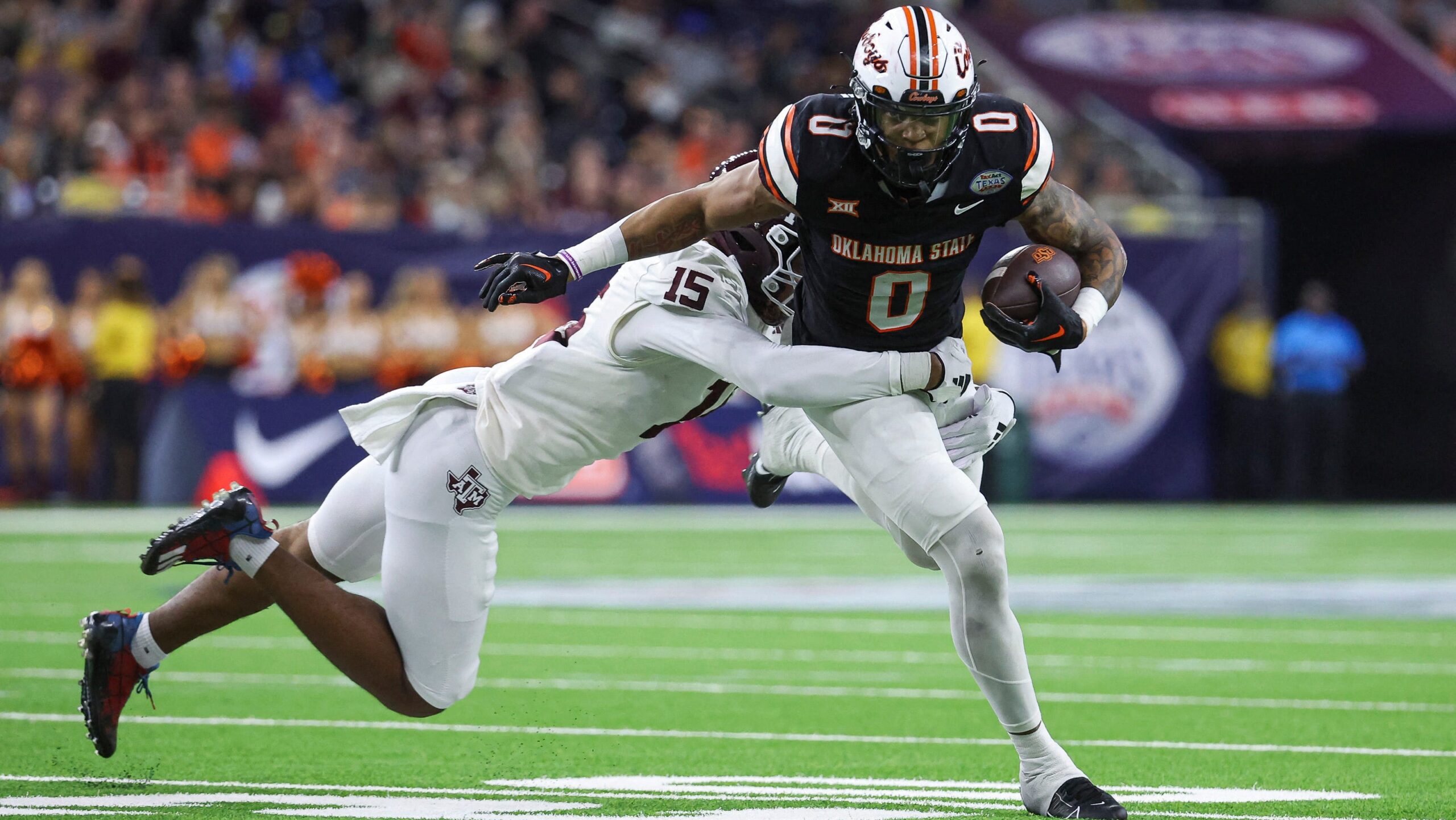
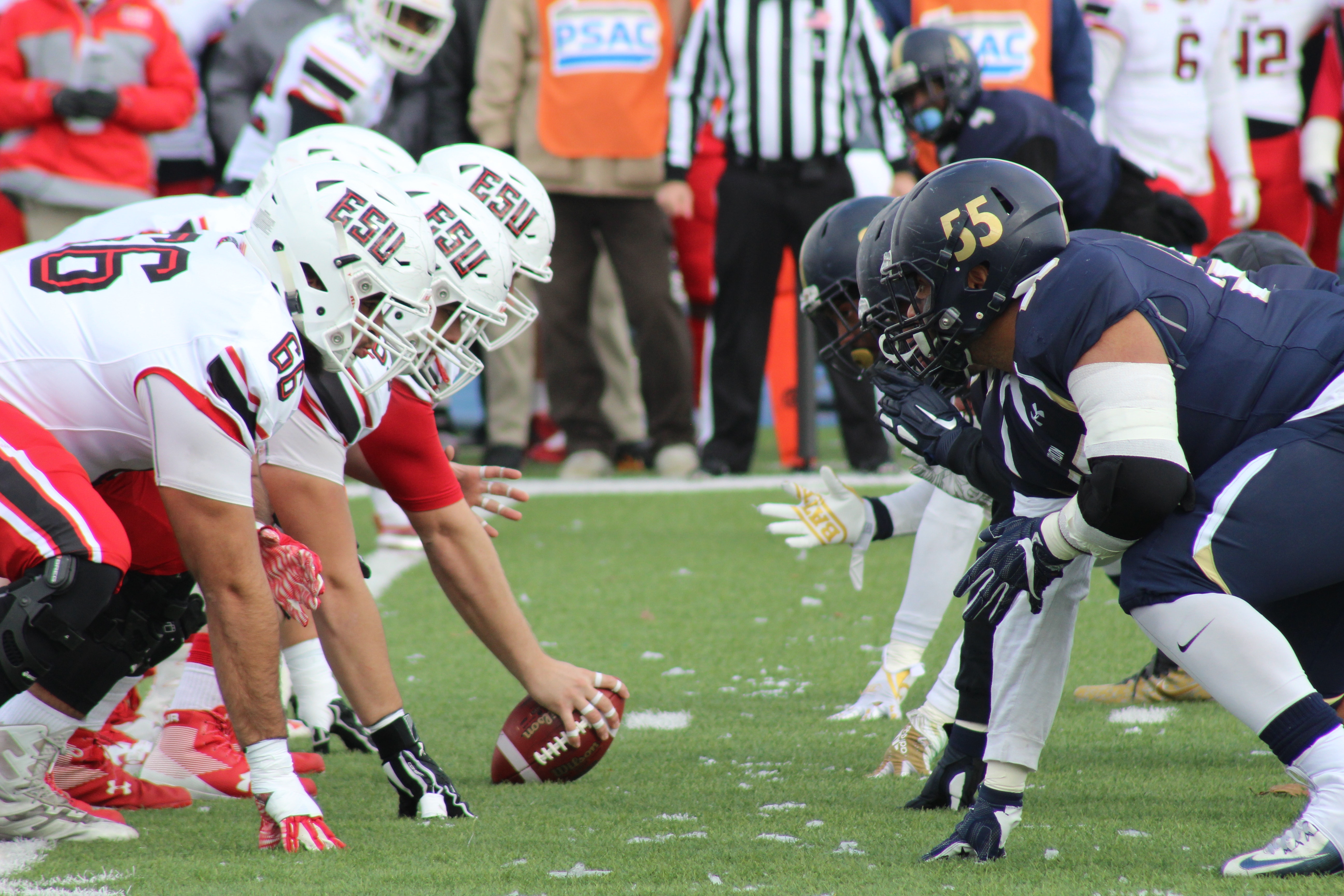
Most NFL Draft prospects develop through college football programs.
This guide explains how the NFL Draft works in clear language. It covers eligibility, draft order, the seven rounds, trades, compensatory selections, the clock, undrafted free agents and what happens after a player is picked. For current league dates and prospect-related deadlines, NFL Football Operations publishes an official NFL Important Dates calendar. The league also describes its college player development process.
What Is the NFL Draft?
The NFL Draft is a multi-round selection process in which teams obtain the rights to negotiate with eligible players. Unlike free agency, where eligible veterans may negotiate under applicable rules, draft prospects are selected in an ordered system.
The draft is intended to support competitive balance by generally giving teams with weaker prior-season results earlier selections than stronger teams, subject to playoff finish, trades and other rules.
How Many Rounds Are in the NFL Draft?
The NFL Draft has seven rounds. Each team normally begins with one selection in each round, although trades, compensatory picks and previous transactions can change the number and position of a club's selections.
Round
General fan expectation
Round 1
Top prospects and premium positional value
Rounds 2-3
Potential early contributors and starters
Rounds 4-5
Developmental players, depth and role specialists
Rounds 6-7
Developmental prospects, special-teams value and upside
These descriptions are only general patterns. Star players can be found in later rounds, while some early picks do not become long-term starters.
Who Is Eligible for the NFL Draft?
Draft eligibility is governed by league rules. In broad terms, prospects must satisfy requirements connected to the number of years since high school graduation and must meet applicable eligibility procedures. Many players complete several college seasons before entering, while some eligible underclassmen apply for special eligibility.
NFL Football Operations works with colleges and the NCAA to help players understand the professional pathway. Its College Advisory Committee can provide certain underclassmen with projections about likely draft range, helping them make more informed decisions about whether to leave school early.
How Is the NFL Draft Order Determined?
The draft order is based heavily on the previous season's results. Teams that did not make the playoffs generally select before playoff teams, with weaker records receiving earlier positions subject to tiebreakers.
Postseason finish determines the order among playoff teams. For example, the Super Bowl champion selects near the end of each round, while the Super Bowl runner-up is also placed late. Conference Championship and earlier playoff losers are slotted according to league procedures.
Earlier picks provide access to a larger pool of prospects. A team selecting first can choose any eligible player, while a team selecting later must react to the choices already made.
That does not mean early picks always produce better careers. Scouting is uncertain, positional value varies and player development depends on coaching, health, fit and opportunity.
What Happens When a Team Is “On the Clock”?
During the draft, each team receives a time window to submit its selection. The available time generally becomes shorter in later rounds. While on the clock, a team may:
• Select a player.
• Trade the pick to another team.
• Discuss trade terms while continuing to evaluate available players.
When the selection is submitted and accepted, the next team goes on the clock.
How Draft Trades Work
Draft picks are assets teams can trade to move up, move down or build future flexibility.
Draft picks are valuable assets. Teams can trade current selections, future selections and eligible players as part of broader transactions, subject to league rules.
Trading up
A team may trade multiple assets to move earlier in the order because it strongly values a specific prospect or position.
Trading down
A team may move later in exchange for additional picks. This approach can increase the number of prospects a club adds and spread risk across several selections.
Future picks
Trades can involve draft choices from future years. This allows teams to borrow from future roster-building capital to pursue a current opportunity, or accumulate future assets for flexibility.
What Are Compensatory Picks?
The NFL can award compensatory draft selections based on a formula related to certain qualifying free-agent losses and signings, along with other league provisions. These selections are added to the draft and can affect the total number of picks a team owns.
The underlying formula and rules can change, so fans should use current league announcements when analyzing a specific year's compensatory selections.
How Teams Evaluate Prospects
Teams combine game film, interviews, measurements and athletic testing when evaluating prospects.
Draft preparation happens long before draft weekend. Scouts study college games, measure athletic traits, interview prospects, review medical information through permitted processes and gather background information.
Game film
Film shows how a player performs in actual competition. Scouts study technique, decision-making, movement, effort, consistency and performance against different opponents.
All-star events
College all-star games and related events allow prospects to practice and compete in front of professional evaluators.
NFL Scouting Combine
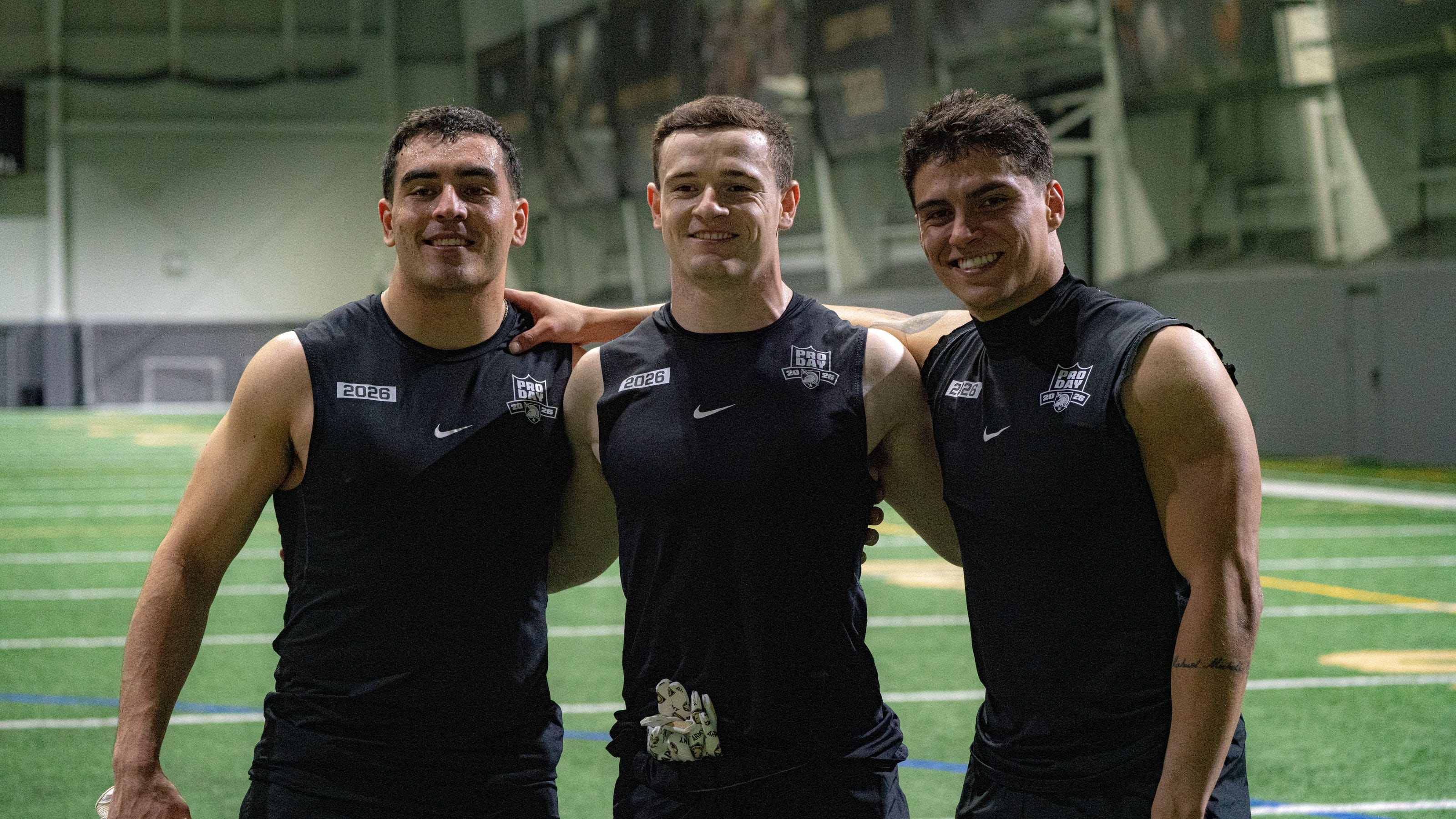
The combine brings invited prospects together for medical evaluations, interviews, measurements and athletic testing. Individual college pro days provide additional evaluation opportunities.
Team visits and interviews
Teams use permitted meetings to learn how prospects process football information, communicate and fit the organization's needs.
What Is a Draft Board?
Each team builds an internal ranking of prospects, commonly called a draft board. Players may be graded by overall talent, position, scheme fit, medical considerations, character evaluation and expected development.
A team may believe the best available player is a wide receiver while its biggest roster need is offensive line. That creates one of the draft's classic strategic questions: select the highest-rated player or prioritize the biggest need?
Best Player Available vs Team Need
“Best player available” sounds simple, but teams rarely evaluate players in a vacuum. Positional value, roster depth, contract timelines and scheme fit all influence decisions.
A strong organization usually has a clear grading system before the draft begins so it does not make a rushed decision simply because a position feels urgent.
Why Quarterbacks Change the Draft
Quarterback is one of the most influential positions in professional football. When several highly rated quarterbacks are available, teams may trade aggressively because finding a long-term starter can transform a franchise.
That demand also affects non-quarterbacks. If quarterbacks are selected early, elite players at other positions may remain available later than expected.
What Happens After a Player Is Drafted?
Drafted players move into rookie programs, training camp and roster competition.
Being selected is the beginning of the professional process, not the end.
1. The team gains the draft rights to the player.
2. The player and team work toward a rookie contract under the league's collective bargaining framework.
3. The player attends rookie programs and minicamp activities.
4. He competes during offseason work and training camp.
#5The team evaluates whether he is ready for the active roster and what role he can handle.
Draft status can influence expectations, but every rookie still has to learn a professional system and compete against NFL-level players.
How Rookie Contracts Work in General
The current collective bargaining system includes a structured rookie compensation framework. Draft position influences contract value, and first-round selections can be connected to fifth-year option rules.
Contract mechanics are more detailed than a beginner draft guide can fully cover, so current NFL and NFLPA materials should be used for precise salary and option questions.
What Happens to Players Who Are Not Drafted?
Not being selected does not automatically end a player's NFL opportunity. Eligible undrafted players can sign with teams as undrafted free agents after the draft under league rules.
This can create a different kind of opportunity because an undrafted player may have some choice among interested teams and can consider depth charts, coaching systems and chances to earn a roster spot.
Why Late-Round Picks Still Matter
Later-round selections are valuable for depth, special teams and developmental upside. A player may need time before becoming a starter, but inexpensive young contributors are important in a salary-cap league.
Teams that consistently find useful players in later rounds can strengthen the middle and bottom of the roster without relying only on expensive free agents.
Draft Strategy by Team Situation
Team situation
Possible draft priority
Rebuilding team
Accumulate picks, target premium young talent
Contender
Add immediate contributors or depth
Team without long-term QB
Consider quarterback aggressively
Older roster
Add younger replacements before decline
Deep roster
Trade up for a specific prospect or future asset
How the Draft Connects to the NFL Season
The players selected in spring soon join rookie programs, training camp and preseason competition. Some start immediately. Others become backups, special-teams contributors or long-term development projects.
• Know the first-round order before the event begins.
• Identify each team's biggest roster needs.
• Watch which quarterbacks are available.
• Track trades, not just selections.
• Compare positional runs—for example, several cornerbacks selected close together.
• Remember that a surprising pick may reflect scheme fit or medical information not visible to fans.
• Do not judge a draft class immediately; player development takes time.
Frequently Asked Questions
How many rounds are in the NFL Draft?
There are seven rounds.
Does every team get one pick in every round?
Teams begin from a basic allocation structure, but trades, compensatory selections and prior transactions mean the actual number of picks varies.
Can teams trade draft picks?
Yes. Teams regularly trade current and future selections, sometimes together with players.
Can an underclassman enter the draft?
Eligible underclassmen can apply for special eligibility under league procedures. Prospects should follow current NFL and school guidance because deadlines matter.
What if a player is not drafted?
Eligible undrafted players may sign as free agents after the draft.
When is the NFL Draft held?
It is generally held in the spring. Dates and host locations can change each year, so the official NFL calendar is the best current source.
Conclusion
The NFL Draft is a seven-round talent-acquisition process shaped by previous-season results, scouting grades, roster needs and trades. Early selections attract the most attention, but strong teams understand that every round can add value. The best draft strategies balance immediate needs with long-term roster construction.
For fans, the easiest way to follow the event is to track draft order, team needs and positional trends rather than trying to memorize every prospect. Then watch how those selections develop through training camp and the regular season. A draft grade made in April is only a prediction; the real evaluation happens over the seasons that follow.