NFL International Games 2026: How Nine Overseas Matchups Change Travel, Rest and Team Preparation
RedZoneHQ Staff · Aug 24, 2026
NFL International Games 2026: How Nine Overseas Matchups Change Travel, Rest and Team Preparation The NFL’s international schedule is no longer a small side project. In 2026, the league will play a record nine regular-se…
NFL International Games 2026: How Nine Overseas Matchups Change Travel, Rest and Team Preparation
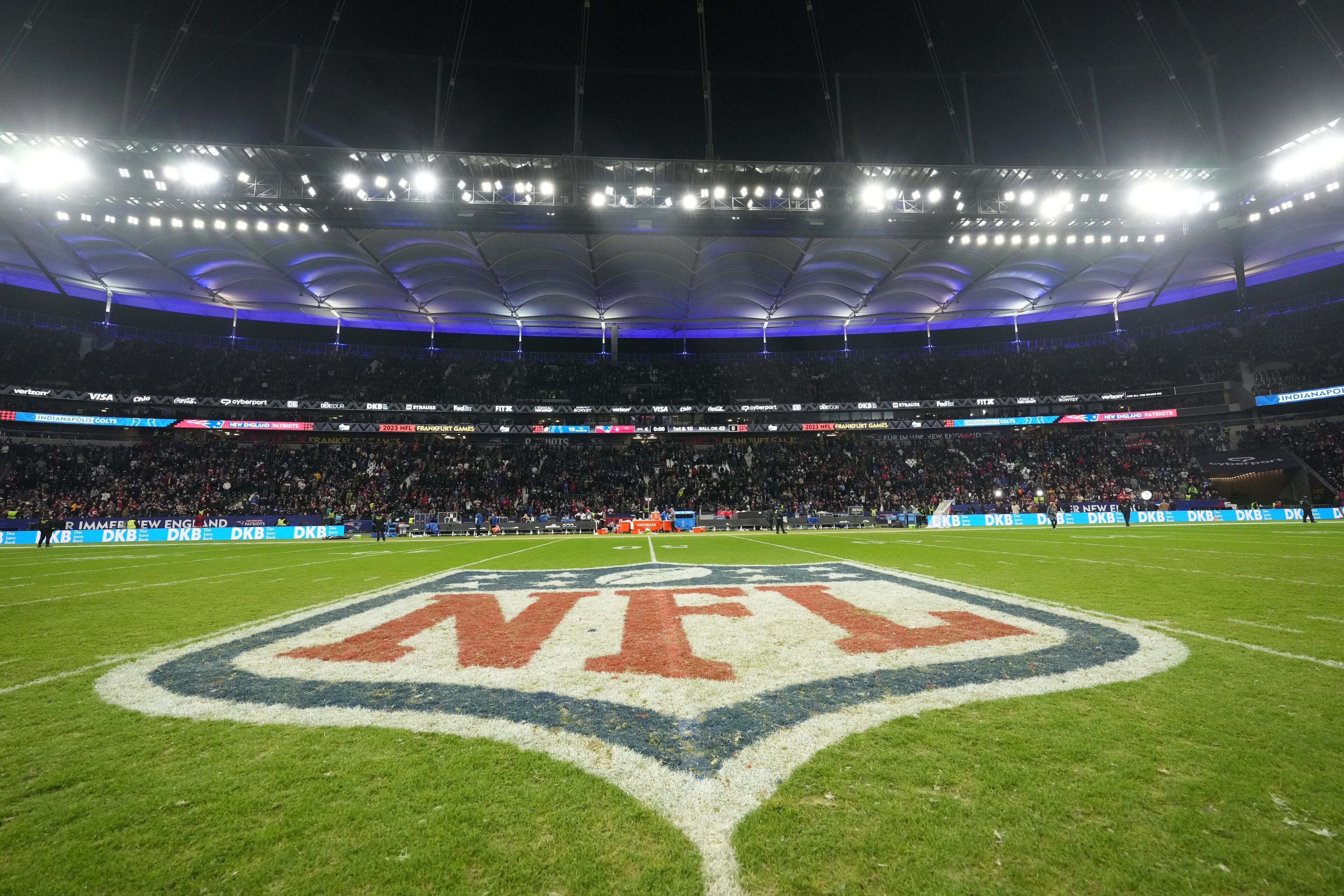
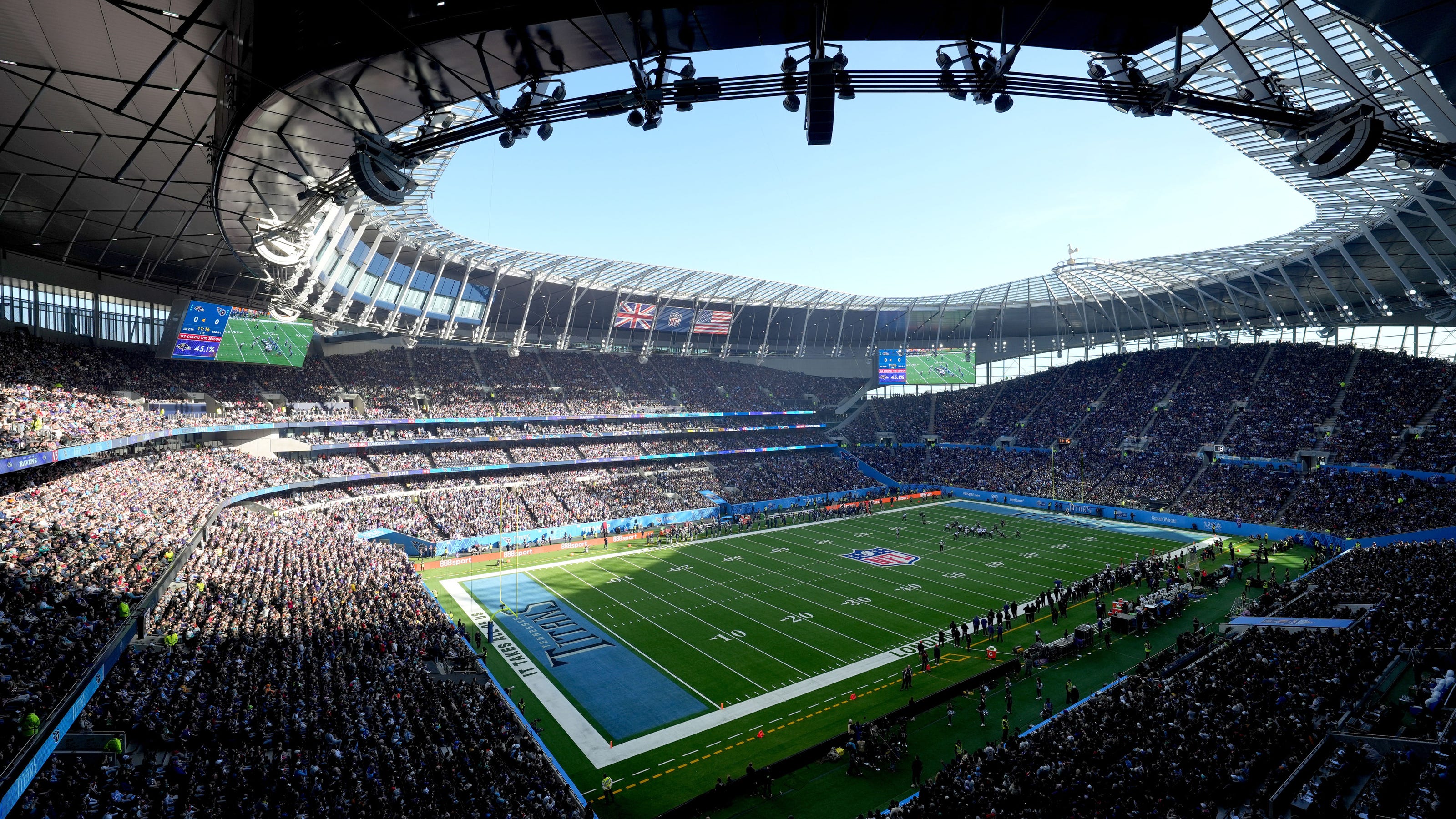
The NFL’s international schedule is no longer a small side project. In 2026, the league will play a record nine regular-season games outside the United States across four continents, seven countries and eight stadiums. That makes international football a major competitive and logistical part of the season rather than an occasional novelty.
For fans, the obvious story is global growth. New markets get meaningful games, local audiences see NFL teams in person and the league expands its reach beyond the United States. For teams, however, the story is more complicated. International games affect travel time, sleep, practice schedules, roster deadlines, player recovery and the decision of whether to take a bye immediately after returning home.
NFL Football Operations lists the full 2026 international slate, including first-time regular-season markets in Melbourne, Rio de Janeiro and Paris. The league will also return to London, Madrid, Munich and Mexico City. See the official NFL International Games overview and the 2026 international schedule announcement.
Why 2026 Is Different
The scale is the biggest change. Nine international games mean 16 different teams will play abroad, with some clubs appearing more than once. The season opens with San Francisco and Los Angeles playing in Melbourne, and the schedule later includes games in Brazil, the United Kingdom, France, Spain, Germany and Mexico.
NFL.com noted that the 2026 schedule will place league games in eight different time zones for the first time. That creates a new level of travel planning and gives fans a useful reason to understand how teams manage body clocks and recovery.
Travel Is a Football Variable
Long-distance travel changes sleep, recovery and weekly preparation.
Coaches cannot treat an international trip like a normal road game. A domestic team might fly two or three hours, arrive the day before the game and maintain most of its usual routine. A transoceanic trip can involve far longer travel, a major time-zone change and unfamiliar practice logistics.
The football problem is that players still need to prepare at full speed. The team must install the game plan, complete walkthroughs, manage treatment and recovery, hold meetings and maintain enough physical freshness for game day.
Time Zones and the Body Clock
Time-zone changes can affect sleep and alertness before game day.
Human performance follows circadian rhythms. Sleep, alertness and recovery are affected by the body’s internal clock, which does not instantly change when an airplane lands in a new time zone.
A team traveling from the U.S. West Coast to Europe or Australia may need to decide whether to adjust gradually before departure, arrive early and fully adapt, or maintain parts of its home-time routine. There is no universal solution because the travel direction, kickoff time and number of days available all matter.
Eastward travel
Traveling east generally requires the body to fall asleep and wake earlier relative to its original schedule. Teams may shift sleep and meal times before departure.
Westward travel
Traveling west often means extending the day. That can be easier for some people, but long flights and unfamiliar schedules still create fatigue.
Why Arrival Day Matters
Some teams prefer to arrive several days before an international game so players can adjust to the local time. Others may arrive later to preserve the normal weekly schedule for as long as possible.
Earlier arrival offers more acclimation but requires the team to move more of its weekly operation overseas. Later arrival keeps the normal facility routine but leaves less time to adapt.
The Week 1 Australia Challenge
The 2026 Melbourne game is especially interesting because it occurs in Week 1. Teams must manage final roster decisions, preseason recovery, travel and the opening game all at once. The league approved a bylaw allowing the NFL office to adjust final roster-reduction procedures when a Week 1 international game creates unusual timing. The approved 2026 bylaw changes are summarized by NFL.com.
This is a good example of how global expansion can affect football operations before the team even boards the plane.
Practice Logistics Overseas
International weeks require temporary practice, meeting and treatment setups.
An NFL team needs more than a hotel and a stadium. It needs a secure practice field, weight room access, meeting rooms, medical space, equipment handling, meals and transportation that fits a tightly controlled schedule.
Every delay matters because the normal NFL week is already compressed. Coaches may reduce physical practice volume while maintaining mental preparation, especially when the travel burden is high.
Recovery After the Game
The return trip can be as important as the trip to the game. Players are recovering from a full NFL contest while sitting for hours on an airplane and crossing time zones. Teams must decide how to schedule treatment, sleep and the next week of practice.
NFL.com’s 2026 schedule analysis noted that clubs often have the option to take their bye immediately after an international game. Interestingly, historical results cited by the league show that teams choosing to play the following week have not necessarily performed worse than teams taking an immediate bye. See NFL.com’s travel and rest analysis.
Bye Week After an International Game: Pros and Cons
Advantages
• Extra physical recovery after travel.
• Time to reset the body clock.
• Opportunity to treat injuries without preparing for an opponent immediately.
• Coaches can self-scout and adjust tendencies.
Disadvantages
• The team may lose competitive rhythm.
• A very early bye creates a long uninterrupted stretch later in the season.
• Players may need to re-establish practice tempo after the break.
The best choice depends on the full schedule, not just the international trip.
Back-to-Back International Games
Back-to-back overseas games create unique decisions about staying abroad or returning home.
The Jacksonville Jaguars are scheduled for consecutive London games in 2026. That creates a different logistical question: return to the United States between games or remain overseas?
Staying in the same region can reduce additional transatlantic travel, but it means operating away from the team’s primary facility for an extended period. Coaches must balance travel savings against routine, treatment and family considerations.
Competitive Preparation
The opponent travels too, but the experience may not be identical. Some franchises have far more international-game experience. Familiarity with local practice sites, travel routines and time-zone adjustment can reduce uncertainty.
The Jaguars, for example, have played more London games than any other franchise. That institutional knowledge may help the team plan travel even though it does not guarantee better performance.
Weather and Surface Differences
International venues can introduce different environmental conditions. Rain, temperature, wind and field surface may differ from a team’s home stadium. Equipment staff may adjust cleat choices and practice conditions accordingly.
This matters especially for kicking and the passing game. Wind patterns in an unfamiliar stadium can affect field-goal range, punts and deep throws.
How International Games Affect Special Teams
Wind, surface and unfamiliar venues can affect kicking and field position.
Special teams often magnifies environmental differences. Punting direction, kickoff placement and return footing can change with wind and surface conditions. A team that understands the stadium quickly can avoid losing hidden yards.
Our 2026 dynamic kickoff guide explains why field position and kick placement are already more strategic under the modern kickoff format.
Roster Management and Travel
Teams must decide which players travel, how to handle injured players and whether practice-squad elevations are needed for depth. An international trip makes last-minute personnel changes more complicated because the replacement player may also need travel clearance and enough time to join the team.
The NFL’s roster rules allow standard elevations from the practice squad, but teams must manage the timing carefully. This makes depth at offensive line, special teams and high-injury positions especially important.
The Global Markets Program
The league’s international strategy is broader than the nine games. The NFL Global Markets Program allows clubs to build fan engagement and commercial presence in assigned international territories. In 2026, all 32 clubs participate and the program spans 22 international markets, according to NFL.com.
That means an international game can support years of local fan development rather than functioning as a one-time event.
Why This Matters for Players
Players gain the chance to compete in new countries and reach new fans, but the workload is real. A long trip can disrupt family routines, recovery habits and treatment schedules. Veteran teams often rely on sports science, nutrition and sleep planning to make the transition smoother.
The most important principle is consistency. Teams try to reproduce as much of the normal weekly routine as possible so the trip feels like a football week rather than a promotional tour.
International Growth and the Future Schedule
NFL owners approved the possibility of up to 10 international games beginning in 2027, the maximum allowed under the current collective bargaining agreement. League officials have also discussed longer-term interest in additional markets. That makes 2026 an important bridge between a growing international series and a potentially larger global schedule.
The current expansion does not automatically mean every team will play abroad every season, but international travel is becoming a standard roster and scheduling consideration.
International Games vs. Normal Road Games
Area
Typical domestic road game
International game
Travel time
Usually shorter
Often much longer
Time-zone shift
Small to moderate
Can be major
Practice logistics
Standardized
Temporary overseas setup
Recovery
Normal weekly routine
May require special planning
Bye decision
Unrelated to travel
Often linked to return schedule
Game-Week Checklist for Fans
1. Check how many time zones the team crossed.
2. See when the team arrived in the host city.
3. Note the local kickoff time and what that equals at the team’s home base.
4. Watch whether the team takes a bye the following week.
5. Consider weather and stadium surface.
6. Track special-teams performance and early-game energy.
7. Look at the next opponent and travel schedule before judging the impact.
Frequently Asked Questions
How many international NFL games are scheduled in 2026?
Nine regular-season games are scheduled outside the United States, a league record.
Which new markets host NFL games in 2026?
Melbourne, Rio de Janeiro and Paris are new regular-season host cities in 2026.
Do teams automatically get a bye after an international game?
No. Schedule construction can place a bye afterward, but not every team chooses or receives that arrangement.
Why do teams sometimes arrive early?
Early arrival can help players adapt to the local time zone and give the team more time to establish its practice routine.
Conclusion
The 2026 international schedule shows that global football is becoming part of the NFL’s competitive structure, not just its marketing strategy. Nine overseas games create new opportunities for fans, but they also create real football decisions about sleep, travel, practice, recovery, roster timing and bye weeks.
The teams that handle international games best will be the ones that make the unusual feel normal. They will plan travel early, protect recovery, maintain clear meeting schedules and avoid turning the week into something separate from football. As the league continues expanding globally, international preparation is becoming another area where small organizational advantages can matter on the scoreboard.