The Rise of Hybrid Nickel Defenders: Football’s New “Star” Position Explained
RedZoneHQ Staff · Sep 17, 2026
The Rise of Hybrid Nickel Defenders: Football’s New “Star” Position Explained For years, the nickel defender was treated like a specialist who entered the game when an offense added a third wide receiver. That descriptio…
For years, the nickel defender was treated like a specialist who entered the game when an offense added a third wide receiver. That description no longer fits modern NFL football. With offenses constantly changing personnel, using motion, spreading tight ends into the slot and forcing defenses to defend both power runs and space, the fifth defensive back has become one of the most demanding jobs on the field.
Many teams now want a hybrid player who can cover a slot receiver, match a tight end, blitz off the edge, fit the run like a linebacker and rotate into deep safety responsibilities. Different coaching staffs use different names—nickel, star, big nickel, overhang or slot defender—but the strategic idea is similar: keep a versatile athlete near the action who can solve multiple problems without forcing a substitution.
This guide explains why the role is growing, what skills it requires, how it fits two-high safety structures and why roster construction is changing around it. For the broader coverage context, start with our guide to two-high safety coverage.
Why the Traditional Nickel Definition Is Outdated
Nickel defense simply means five defensive backs are on the field. Historically, the fifth defensive back was often a smaller corner who replaced a linebacker in clear passing situations. Modern offenses made that narrow role less useful. A slot receiver may be a 190-pound speed target on one snap and a 245-pound tight end on the next. The offense may run directly at the nickel, motion a back into his area or force him to blitz as part of the pressure answer.
That means the modern nickel must survive in a much wider range of situations. He cannot be only a cover player, and he cannot be only a small linebacker. The best version combines traits from several positions.
What the “Star” Defender Does
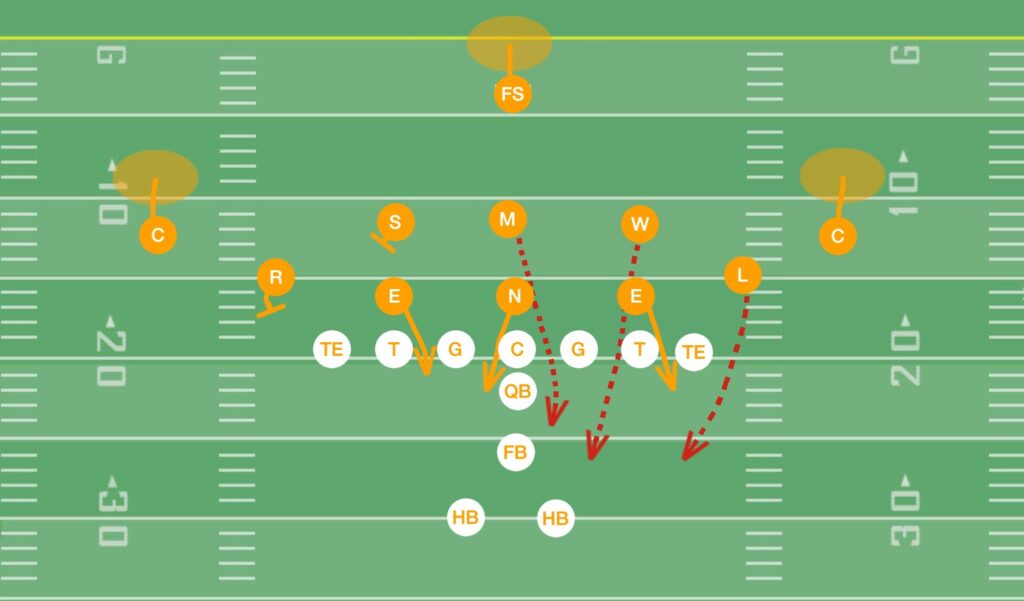
The word “star” is used in some defensive systems for the hybrid defender aligned between the box and the perimeter. Responsibilities vary by scheme, but common assignments include:
• Covering slot receivers in man coverage.
• Matching tight ends and running backs.
• Playing underneath zones in Cover 2, Cover 4 and Cover 6.
• Setting or supporting the edge against the run.
• Blitzing from the slot.
• Fitting inside gaps when the front moves.
• Disguising safety rotations.
• Communicating motion and bunch adjustments.
That list explains why instincts matter as much as speed. The player must diagnose formations and route distributions quickly while still being physical enough to take on blocks.
Why Two-High Defenses Need Hybrid Players
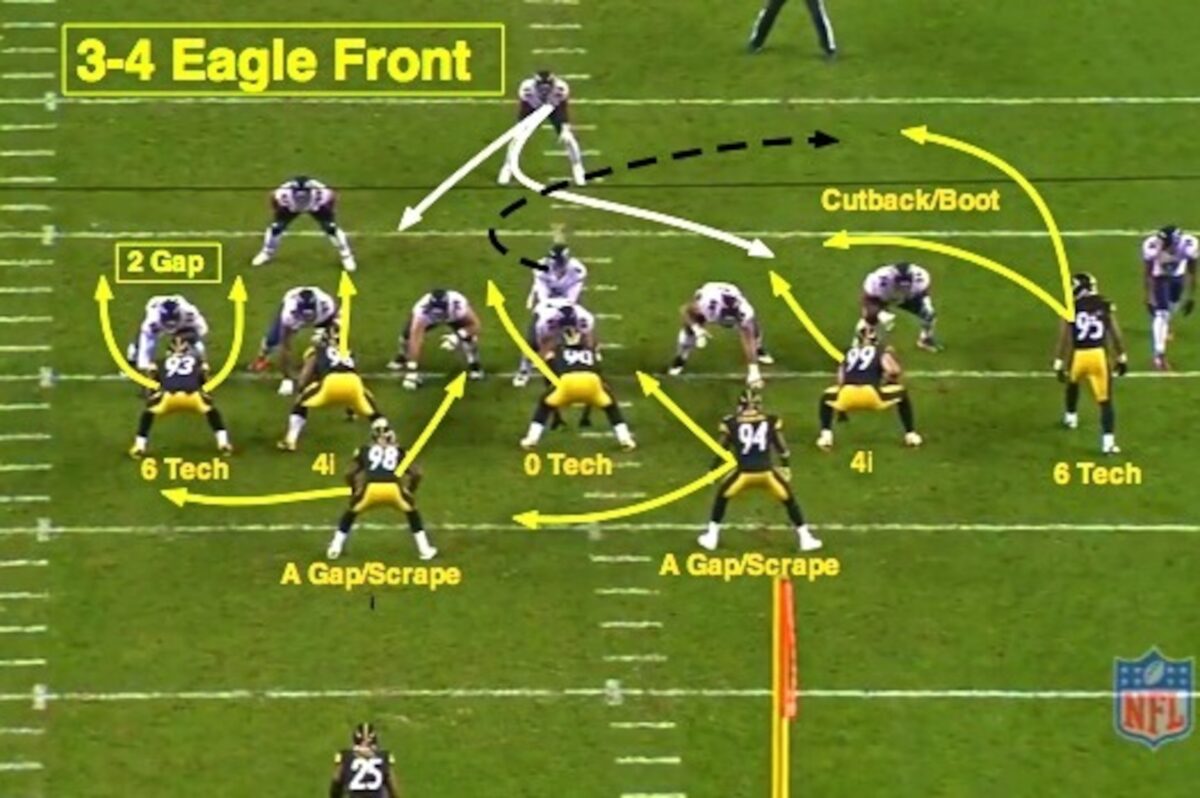
Two-high structures protect deep space but can create a numbers challenge near the line of scrimmage. If both safeties begin deep, the defense needs underneath players who can close space rapidly and tackle. A hybrid nickel helps bridge that gap.
He can align over the slot and still become part of the run fit. He can show pressure and drop out. He can play man coverage while the safeties remain deep. Most importantly, his versatility allows the defense to stay in the same personnel group while changing the call.
That adaptability is one reason split-safety concepts and hybrid defenders are growing together. NFL analysis in 2026 has highlighted the increasing importance of the slot safety/nickel role as teams use three-safety packages and flexible five-defensive-back structures. A current league overview is available at NFL.com on the increasingly vital hybrid defensive-back role.
The Coverage Skills Required
Slot coverage demands quick change of direction and leverage awareness.
Playing in the slot can be more difficult than playing outside corner because the receiver has access to both sides of the field. There is no sideline immediately limiting the route. The defender must understand leverage, route combinations and help locations.
Man coverage
In man coverage, the nickel may face quick option routes, vertical seams, crossers and motions. He needs short-area quickness and the ability to recover when the receiver changes direction.
Zone coverage
In zone, the challenge changes. The defender must pass routes to teammates, close throwing windows and keep his eyes on the quarterback without losing awareness of receivers behind him.
Pattern matching
Many modern defenses blend man and zone principles. The nickel may match one receiver vertically, pass another route to a linebacker and then replace a vacated zone. Mental processing is critical.
Run Defense Is What Separates the Role
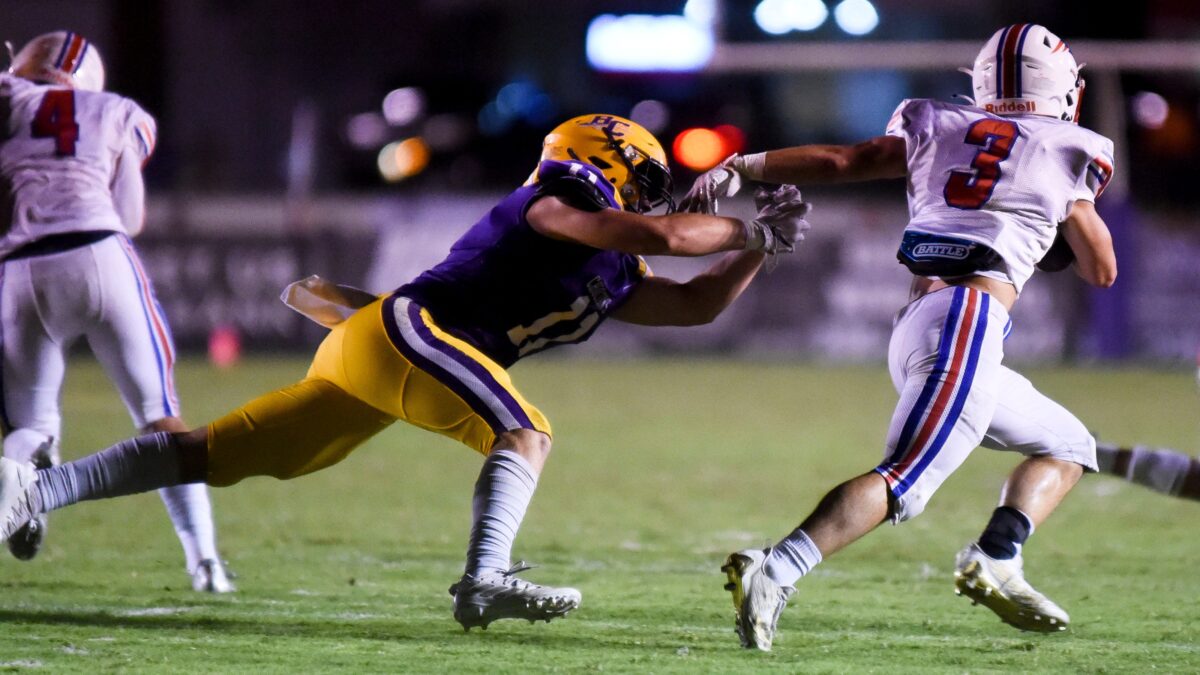
Hybrid nickel defenders must tackle and survive blocks as well as cover.
If the nickel were only responsible for coverage, teams could simply use their fifth-best cornerback. The reason the role has changed is that offenses deliberately attack the slot defender in the running game.
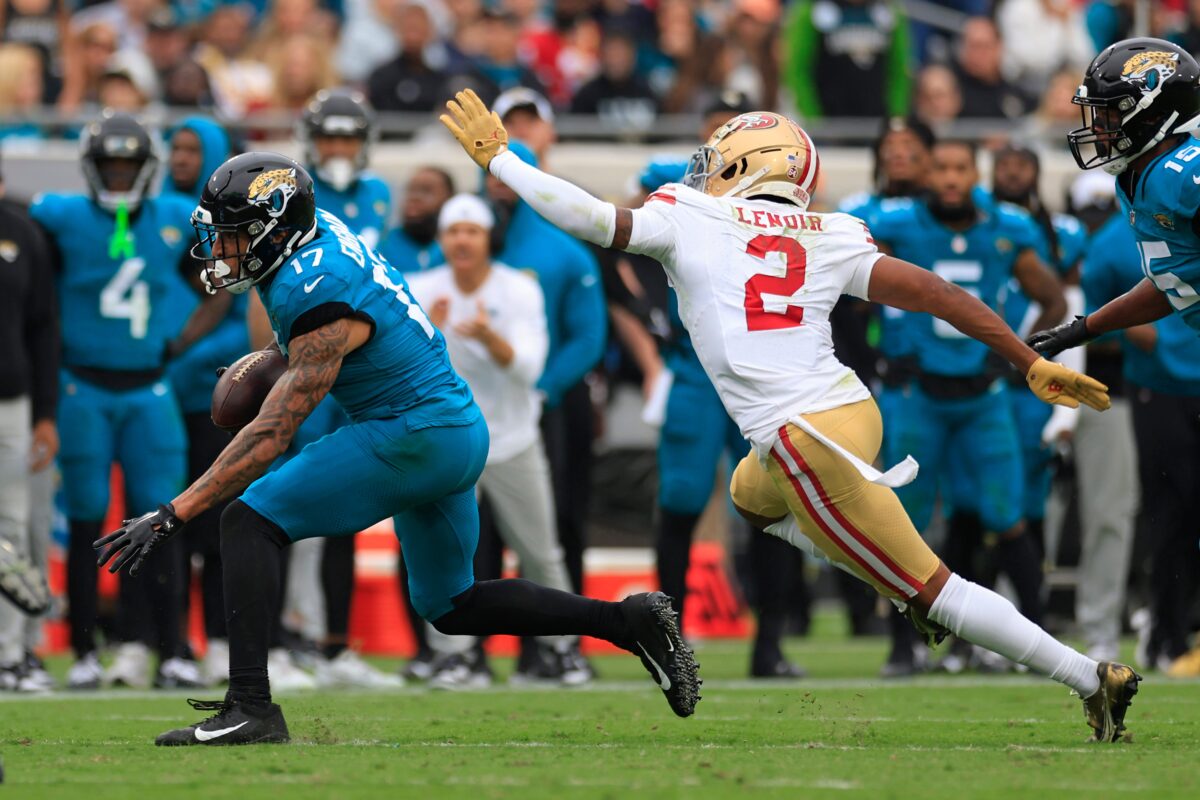
Condensed formations can bring a wide receiver close enough to block the nickel. Multiple tight ends can force him to take on larger bodies. Outside-zone schemes make him responsible for setting an edge or forcing the runner back toward pursuit. Quarterback runs can add another gap that the defense must account for.
A useful hybrid defender must tackle reliably, use his hands against blocks and understand leverage. He does not need to play like a 250-pound linebacker, but he cannot be a liability every time the offense runs toward him.
Why Bigger Nickel Packages Are Popular
Big nickel packages seek a balance between coverage speed and run-defense size.
“Big nickel” generally refers to a five-defensive-back package that uses three safety-type players rather than three traditional cornerbacks. The extra safety provides more size against tight ends and the running game while preserving coverage versatility.
This is especially valuable against 12 personnel. If an offense uses two tight ends, a traditional base defense may struggle to cover both. A small nickel package may struggle against the run. Big nickel attempts to split the difference.
That directly connects to the return of heavy offensive personnel. As offenses get bigger without becoming less explosive, defenses need players who can match size without sacrificing speed.
The Hybrid Defender as a Blitzer
Slot pressure can create difficult angles for offensive protection.
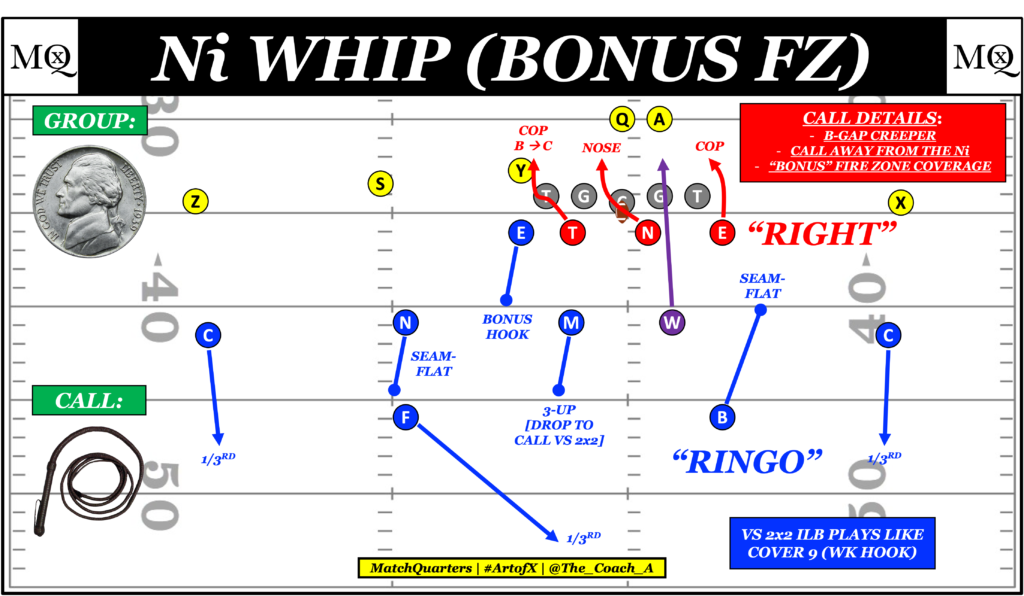
Slot pressure is difficult for offenses because the blitzer begins closer to the quarterback than an outside corner and can come from an angle that complicates protection. The defense can show the nickel near the line, forcing the quarterback to account for him, then drop him into coverage. Or it can keep him off the line and bring him late.
Hybrid defenders are particularly useful in simulated pressures. A defensive lineman can drop while the nickel rushes, creating the appearance of a blitz without sending more than four players. The protection may slide toward the wrong threat, opening a free path elsewhere.
Motion Makes the Job Harder
Pre-snap motion forces the nickel to communicate quickly. If the slot receiver moves across the formation, does the nickel follow? Does he pass the receiver to another defender? Does a safety rotate? Does the front adjust?
Evaluators must project a player into several jobs rather than one. Important traits include:
• Short-area acceleration: Ability to close quickly on routes and runs.
• Change of direction: Essential for slot coverage.
• Tackling reliability: Missed tackles in space can become explosive plays.
• Block destruction: Ability to avoid being erased by receivers and tight ends.
• Coverage awareness: Understanding route combinations and leverage.
• Blitz timing: Knowing when and how to attack protection.
• Communication: Coordinating with safeties, linebackers and corners.
• Versatility: Comfort playing at different depths and alignments.
How the Role Changes Defensive Play Calling
A versatile nickel gives the coordinator options without substitutions. From the same personnel, a defense can play a two-high zone, rotate to single-high man coverage, blitz the slot, drop an edge defender, or walk the nickel into the box as an extra linebacker.
This creates uncertainty for the quarterback. If personnel does not reveal the coverage, the offense must rely more heavily on formation, motion and post-snap reads.
Why Versatility Affects Contracts and Draft Value
Positions are traditionally valued according to scarcity and impact. As the nickel role becomes more central, players who can execute it at a high level become harder to replace. A defense may effectively build around one hybrid athlete because he allows the coordinator to disguise calls that would otherwise require substitution.
The NFL's current emphasis on versatile safeties and nickel defenders reflects this reality. A player who can cover, blitz and fit the run impacts more downs than a specialist who only appears in obvious passing situations.
How to Identify the Hybrid Defender on TV
Alignment, motion response and pressure responsibility help identify the hybrid role.
Before the snap, find the player aligned inside the widest cornerback but outside the traditional linebacker box. He may stand over the slot receiver, near a tight end or just off the edge of the line.
Watch these clues
1. Does he travel with motion?
2. Does he line up at several depths during the game?
3. Does he blitz from the slot?
4. Does he become an edge player against the run?
5. Does he rotate to deep safety after the snap?
#6Is he asked to cover both receivers and tight ends?
If the answer to several of those questions is yes, you are probably watching the modern hybrid role in action.
Hybrid Nickel vs. Traditional Linebacker
Trait
Hybrid nickel
Traditional linebacker
Primary alignment
Slot/overhang
Inside or edge of box
Coverage demand
High, including receivers
Backs, tight ends, zones
Run responsibility
Edge/support/gap fit
Primary box fit
Blitz role
Slot and disguise pressure
Interior/edge pressure
Typical body type
Defensive back/safety hybrid
Larger second-level defender
The categories overlap more every year. That is the point: modern football rewards defenders who can function across traditional labels.
Frequently Asked Questions
Is a nickel defender the same as a slot corner?
Sometimes, but not always. A slot corner may primarily cover receivers, while a hybrid nickel or star defender usually has broader run, blitz and coverage responsibilities.
Why do teams use three safeties?
Three-safety packages can provide more size than a conventional nickel unit while preserving flexibility against the pass.
Can a linebacker play the star position?
Some unusually athletic linebackers can handle similar responsibilities, but the position typically requires defensive-back-level coverage ability.
Is the hybrid role only used on passing downs?
No. For many teams, nickel personnel is effectively the base defense because offenses use three-receiver or flexible formations so frequently.
Conclusion
The rise of the hybrid nickel defender is a direct response to the complexity of modern offense. Coordinators need a player who can survive against speed, handle bigger tight ends, tackle in the run game and participate in disguised pressure without forcing constant substitutions.
In 2026, the most valuable defensive backs are often the ones who blur position labels. They may look like a safety, align like a corner, fit the run like a linebacker and blitz like an edge player. That versatility gives defenses the ability to answer heavy personnel, spread formations and two-high coverage demands with the same group on the field. The “star” position is no longer a niche role—it is becoming one of the central pieces of modern NFL defense.