Two-High Safety Coverages Explained: Why Cover 4 and Cover 6 Are Reshaping NFL Defense
RedZoneHQ Staff · Sep 17, 2026
Two-High Safety Coverages Explained: Why Cover 4 and Cover 6 Are Reshaping NFL Defense If you watch modern NFL games closely, one defensive picture appears again and again before the snap: two safeties aligned deep, ofte…
If you watch modern NFL games closely, one defensive picture appears again and again before the snap: two safeties aligned deep, often splitting the field into halves or quarters. That shell can lead to Cover 2, Cover 4, Cover 6, a late rotation to single-high coverage, or even pressure. The alignment is simple, but the possibilities behind it are not.
Two-high safety structures have become one of the defining strategic trends in professional football because they help defenses limit explosive passes without surrendering every answer underneath. The best units use versatile safeties, nickel defenders and linebackers who can disguise intentions, close space quickly and still fit the run. Offenses have responded with heavier personnel, motion, play action and patient underneath passing.
This guide explains two-high coverage in practical terms, including the differences between Cover 2, Cover 4 and Cover 6, why teams use them, where the vulnerabilities are, and what fans can watch for in 2026. If you need a broader foundation first, read our defensive football formations guide.
What “Two-High” Actually Means
Two-high describes a pre-snap safety structure in which two deep defenders are positioned away from the line of scrimmage. It does not automatically tell you the final coverage. A defense can show two high safeties and rotate one down after the snap, play man coverage underneath, split the deep field into zones, or send pressure while replacing a vacated zone.
The shell matters because quarterbacks make many decisions before the snap. A single-high safety often suggests a different menu of possibilities than two deep safeties. By beginning in a two-high picture, a defense can delay the quarterback’s answer and force him to confirm the coverage after the ball is snapped.
Cover 2: Two Deep Halves
In classic Cover 2, the two safeties divide the deep field into halves. Five underneath defenders typically handle shorter zones, although variations can combine man coverage with two deep safeties. The structure is designed to discourage deep boundary throws and force the offense to work through shorter windows.
Strengths of Cover 2
• Provides two deep defenders against vertical routes.
• Keeps cornerbacks available to challenge short throws and outside releases.
• Can funnel passes toward underneath defenders.
• Offers a stable answer against many traditional passing concepts.
Common stress points
Every zone coverage has space. In Cover 2, offenses often try to attack the middle between the safeties, the “hole” outside an underneath defender but in front of a deep safety, or layered concepts that force one defender to choose between two routes.
Cover 4: Quarters Coverage
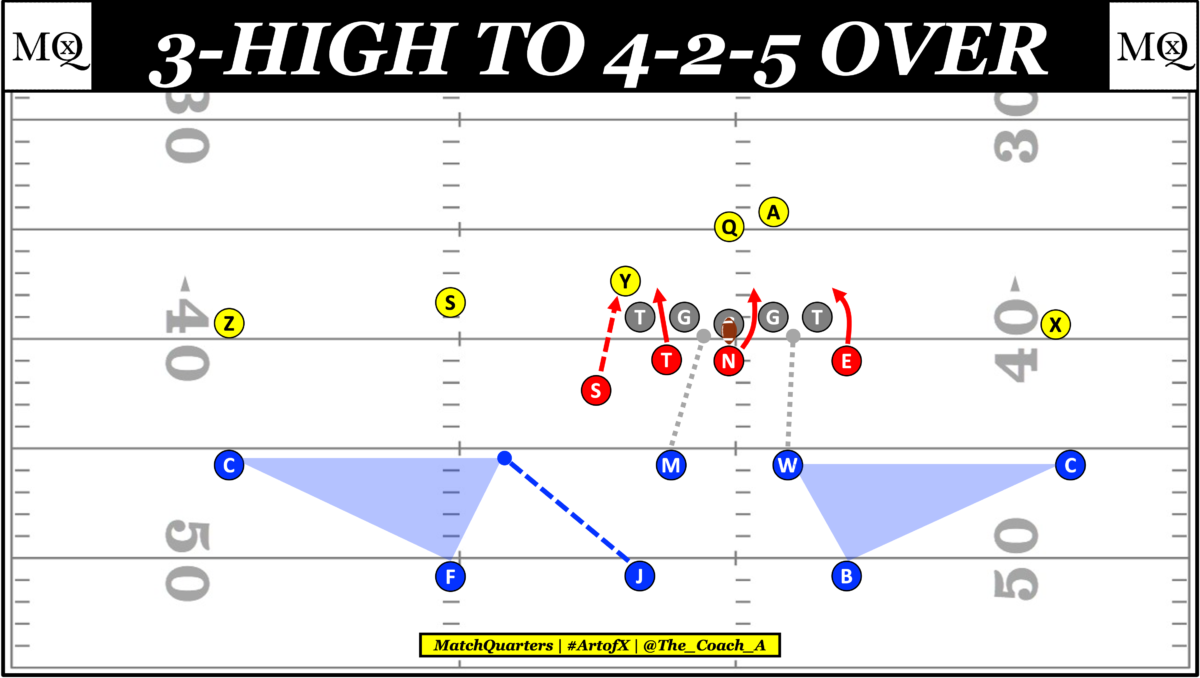
Quarters coverage divides deep responsibilities while allowing safeties to stay involved in run fits.
Cover 4, commonly called quarters, generally divides the deep field among four defenders: two cornerbacks and two safeties. The word “zone” can be misleading because modern quarters often includes pattern-matching rules. Defenders may begin with zone landmarks but match routes based on how receivers release.
Quarters is attractive because both safeties can remain involved in the run fit while still protecting deep space. Instead of simply backpedaling to a fixed zone, a safety can read the release of an eligible receiver and react to run action.
Why quarters fits modern football
Spread offenses want to create isolated matchups and vertical space. Quarters gives defenses four deep-capable defenders while preserving aggressive underneath play. It also pairs well with disguise because the pre-snap picture can resemble other split-safety concepts.
Cover 6: Quarter-Quarter-Half
Cover 6 blends Cover 4 and Cover 2 principles on opposite sides of the field.
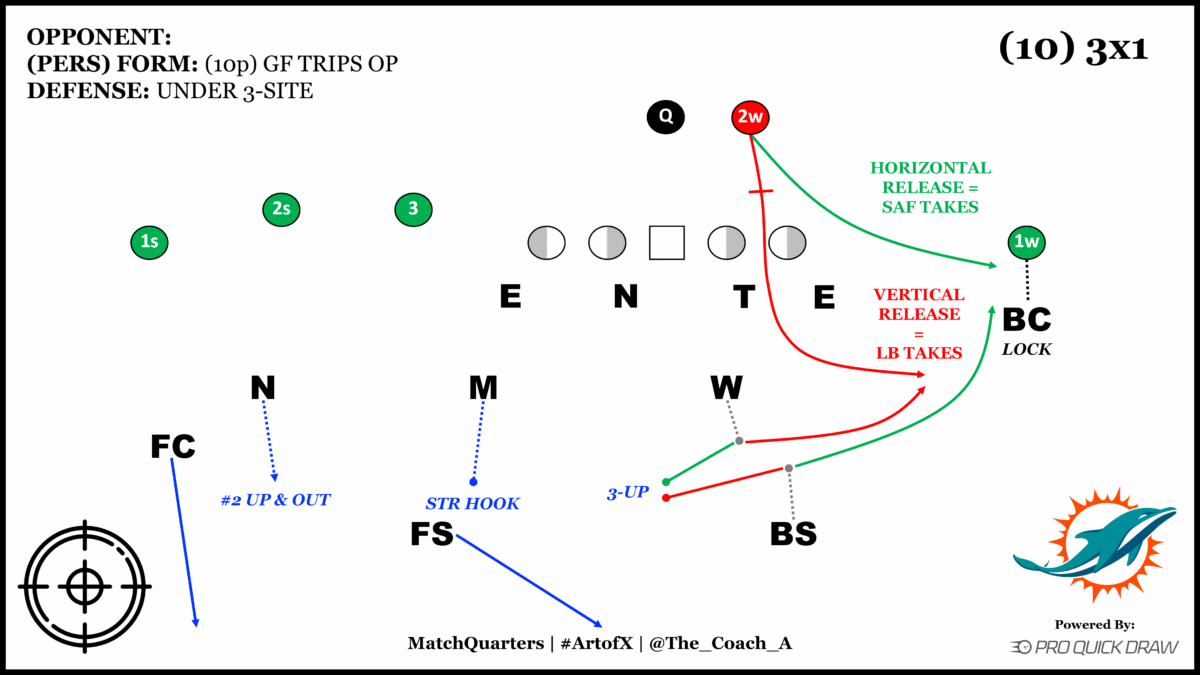
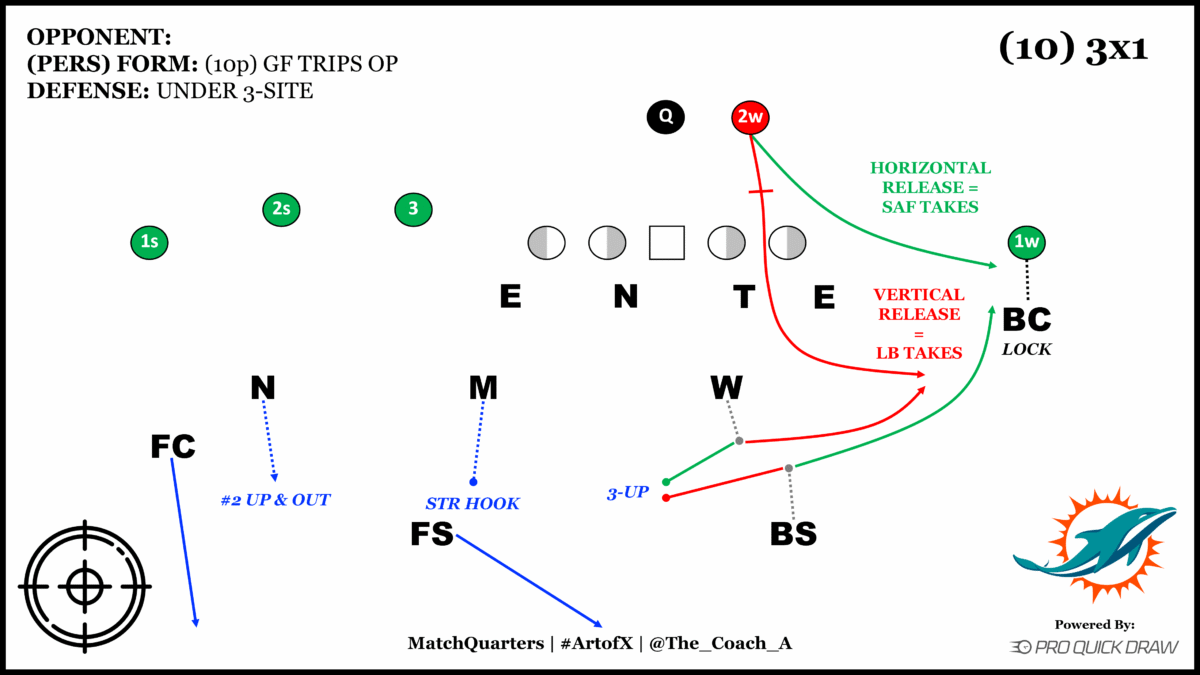
Cover 6 combines elements of Cover 4 and Cover 2. One side of the defense plays quarters principles while the other plays a Cover 2-style half-field structure. Coaches use it to account for formation strength, receiver distribution, field position and specific matchup concerns.
For example, the defense may want extra help to the side with multiple receivers while playing a different technique into the boundary. Because the two sides operate with different rules, the coverage can be more adaptable than a perfectly symmetrical call.
NFL Next Gen Stats has highlighted Cover 6 and split-safety concepts as major parts of the modern defensive landscape. Its 2026 analysis of the league-wide rise of split-safety coverage provides current data and examples: NFL Next Gen Stats on split-safety coverage.
Why Two-High Coverage Has Grown
The NFL passing game became increasingly efficient at punishing isolated defenders and single-high structures. Quarterbacks learned to identify one-on-one matchups, receivers became more skilled at winning vertically, and offensive coordinators used motion and formation to create favorable releases. Defenses needed answers that could protect deep space without playing passive football.
Two-high structures offer several benefits at once. They can cap explosive routes, disguise the final coverage, keep multiple defenders involved in pattern matching and force offenses to sustain long drives rather than winning with one deep completion.
The explosive-play problem
A defense can survive several short completions if it tackles well. It is much harder to recover from a 50-yard touchdown. Split-safety structures are built around making deep throws more difficult and encouraging the quarterback to take shorter gains.
The disguise advantage
When both safeties start deep, the quarterback cannot always identify which one will rotate, whether both will stay high, or whether a nickel defender will replace one in a pressure package. That uncertainty can slow the post-snap read.
How Two-High Defenses Still Stop the Run
Modern split-safety defenses depend on fast, disciplined run fits.
The obvious criticism is that two deep safeties remove a defender from the box. If the offense has enough blockers, why not run every time? The answer is that modern two-high defenses depend on fast, disciplined run fits rather than simply placing an extra body near the line before the snap.
Safeties can trigger downhill after confirming run. Defensive linemen can control gaps or play techniques designed to spill the ball toward pursuit. Linebackers must diagnose quickly, and nickel defenders may effectively function as hybrid linebackers.
This is also why offensive heavy personnel has returned. Teams want to test whether a lighter split-safety defense can hold up against bigger blockers. Our guide to heavy personnel in the NFL explains that counter-trend in detail.
Pattern Matching: The Key to Modern Zone Coverage
Older explanations often describe zone defense as players dropping to fixed areas and waiting for receivers to enter. Modern NFL coverage is more dynamic. Pattern-match systems give defenders rules based on route releases. A corner may carry a vertical route like man coverage while passing an underneath route to another defender. A safety may bracket a receiver based on the formation and release.
This allows the defense to gain some benefits of man coverage while maintaining zone eyes and help. It also makes coverage harder to diagnose from television because two plays that look similar before the snap can produce very different responsibilities.
How Offenses Attack Two-High Structures
No coverage is unbeatable. Offenses have developed several common responses.
• Run the ball: If the box is light, take the efficient rushing opportunity.
• Use heavy personnel: Force the defense to choose between size and coverage speed.
• Attack underneath: Take short completions and make the defense tackle repeatedly.
• Use play action: Influence safeties and linebackers with run action before attacking intermediate space.
• Flood one side: Place multiple routes into one coverage area and force defenders to distribute them.
• Use motion: Reveal communication rules and create leverage before the snap.
The most disciplined quarterbacks do not treat two-high as a reason to force deep throws. They accept profitable short gains until the defense changes its structure.
Split-Safety Blitzes and Pressure
Two-high does not mean four-man rush. Creative defenses can bring pressure while preserving a split-safety look. They may blitz a nickel defender and drop an edge player, send a linebacker through one gap while another replaces him underneath, or rotate coverage late.
This is especially effective when the offense assumes a two-high shell means a conservative rush. The defense can create a protection problem without giving the quarterback an obvious pre-snap indicator.
The Personnel That Makes It Work
Versatile nickel defenders are central to modern two-high systems.
Scheme only succeeds when the roster can execute it. Two-high systems place a premium on versatility.
Safeties
They must cover deep space, tackle in the open field, fit the run and sometimes handle tight ends or slot receivers. Range is important, but so is decisiveness.
Nickel defenders
The modern nickel may be part cornerback, part safety and part linebacker. He must cover quick routes, blitz, defeat blocks and tackle.
Linebackers
Linebackers cannot be run-only players. They need enough range to close throwing windows and enough physicality to survive against bigger offensive personnel.
What to Watch for on Television
Finding the safeties before the snap is the easiest way to start identifying coverage.
You do not need access to coaching film to identify basic clues. Before the snap, find the safeties. If both are deep, note whether one moves toward the line as the quarterback begins the cadence. Then watch what happens immediately after the snap.
Viewer checklist
• Do both safeties stay deep or does one rotate down?
• Are cornerbacks playing with outside or inside leverage?
• Does a safety trigger quickly when the offense runs?
• Does the nickel defender blitz or carry a receiver?
• Where does the quarterback look first against the shell?
• Is the offense willing to take short throws repeatedly?
These observations turn a generic “zone defense” into a much clearer tactical story.
Two-High Coverage vs. Single-High Coverage
Feature
Two-high shell
Single-high shell
Deep safeties pre-snap
Two
One
Primary benefit
Cap explosive passes and disguise coverage
Add body near box or underneath coverage
Typical offensive response
Run, short pass, heavy personnel
Attack favorable one-on-one matchups
Roster emphasis
Versatile safeties and nickel defenders
Range at free safety and coverage strength outside
Frequently Asked Questions
Is Cover 4 the same as prevent defense?
No. Quarters can be aggressive and pattern-matched. Safeties may fit the run quickly and defenders can challenge routes rather than simply protecting a deep lead.
Is Cover 6 six defensive backs?
No. The number refers to a combination of Cover 2 and Cover 4 principles, not the number of defensive backs.
Why do quarterbacks still throw deep against two-high?
Route combinations, play action, protection and individual matchups can still create vertical opportunities. The defense reduces the probability of an easy deep throw; it does not eliminate it.
Can a team blitz from two-high?
Yes. Modern defenses regularly pair split-safety shells with simulated pressures, nickel blitzes and late rotations.
Conclusion
Two-high safety coverage has become a central part of the NFL’s strategic battle because it gives defenses a flexible answer to explosive passing games. Cover 2, Cover 4 and Cover 6 each distribute defenders differently, but they share a goal: protect deep space while forcing the quarterback to process the defense after the snap.
The 2026 version of split-safety football is not passive. It depends on fast run fits, pattern matching, versatile personnel and deceptive pressure. That is why the trend is reshaping both sides of the ball. Defenses are building around hybrid safeties and nickel players, while offenses are responding with heavier formations, motion and patient underneath attacks. Once you learn to identify the shell and the post-snap rotation, NFL defense becomes much easier—and much more interesting—to understand.