Under-Center Offense Is Back: Why Play Action, Bootlegs and Wide Zone Matter in the NFL in 2026
RedZoneHQ Staff · Aug 24, 2026
Under-Center Offense Is Back: Why Play Action, Bootlegs and Wide Zone Matter in the NFL in 2026 For years, the NFL seemed to be moving in one direction: more shotgun, more spread formations and more college-style spacing…
Under-Center Offense Is Back: Why Play Action, Bootlegs and Wide Zone Matter in the NFL in 2026
For years, the NFL seemed to be moving in one direction: more shotgun, more spread formations and more college-style spacing. Those ideas are still central to modern football, but the 2026 season is showing why under-center offense never disappeared. In fact, several of the league’s most influential systems are using under-center snaps as a way to hide intentions, improve the run game, sell play action and create easier reads for quarterbacks.
The return is not about nostalgia. Coaches are not trying to recreate an offense from the 1980s. They are blending under-center footwork with motion, condensed formations, wide-zone runs, split-flow action and bootlegs. The result is a modern offense that can look physical before the snap and still create space like a spread system after the snap.
NFL Pro highlighted this trend in 2026 while discussing teams trying to become more efficient with under-center, motion-filled and play-action-heavy concepts. The league also noted that Klint Kubiak’s 2025 offense used under-center snaps at one of the NFL’s highest rates, helping create rollouts and bootlegs. See NFL Pro’s breakdown of Kubiak’s under-center system and NFL Pro’s 2026 offensive trend analysis.
What Does “Under Center” Mean?
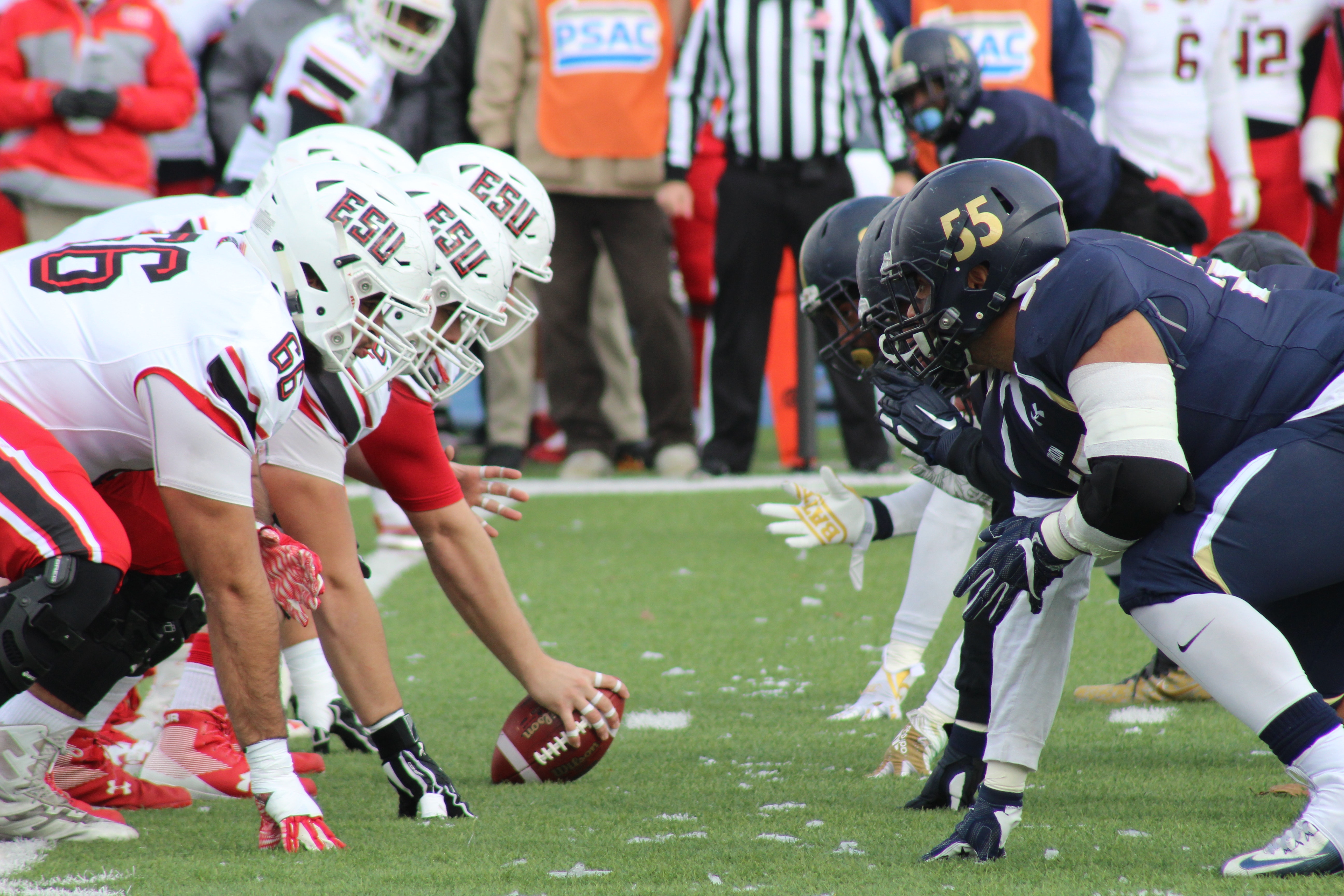
Under center means the quarterback lines up directly behind the center and receives the snap by hand rather than standing several yards deep in shotgun. It changes the quarterback’s footwork, the running back’s path, the timing of play action and the defense’s view of the football.
In shotgun, the quarterback can see the defense continuously before and after the snap. Under center, he may briefly turn his back during a handoff fake or play-action concept. That sounds like a disadvantage, but the offense gains something valuable in return: deception.
Why Under-Center Offense Is Trending Again
Modern defenses have become faster and more sophisticated. Two-high safety shells, simulated pressure and pattern-match coverage make it difficult to create clean downfield reads from static spread looks. Offenses are responding by forcing defenders to process more run-action information.
Under-center offense helps because the quarterback and running back can make different plays look almost identical during the first second. A wide-zone run, play-action bootleg and dropback pass can begin from the same formation and backfield action.
Reason 1: The ball can be hidden
When the quarterback turns his back to the defense during a fake, linebackers and safeties cannot see the ball as clearly. They must read the offensive line, running back and tight ends. A convincing fake can create just enough hesitation to open an intermediate route.
Reason 2: Running backs hit downhill with better timing
From under center, the running back can align deeper and build momentum toward the line. In wide-zone concepts, that allows the back to press the edge, read leverage and make one decisive cut.
Reason 3: Bootlegs change the launch point
Instead of asking the quarterback to remain in the same pocket on every pass, bootlegs move him outside the original pass-rush lane. This can reduce pressure and create defined high-low reads.
Wide Zone: The Foundation of Many Under-Center Systems
Wide zone stretches the defense horizontally before the runner chooses a lane.
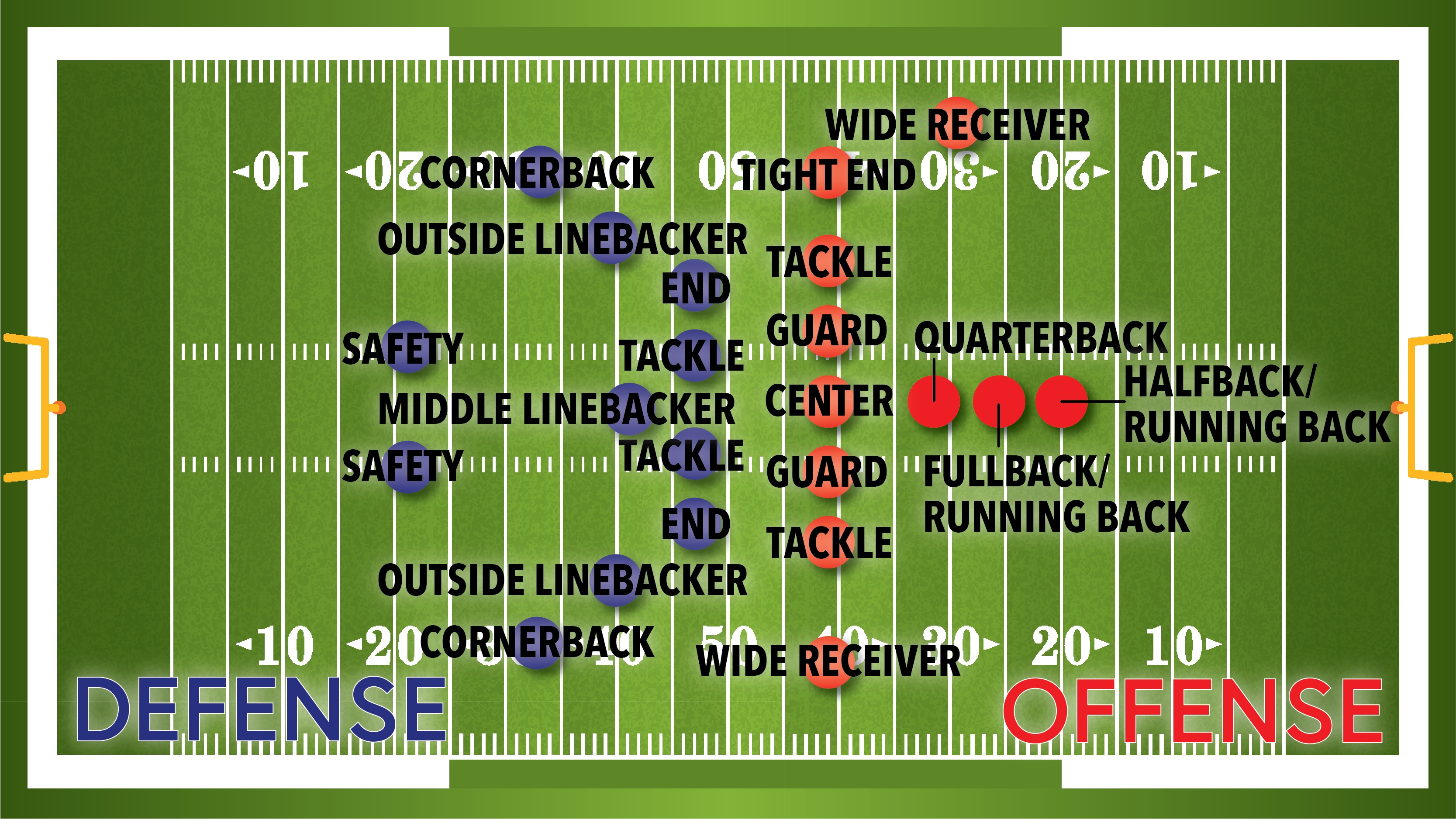
Wide zone is one of the most important run concepts connected to under-center football. The offensive line works laterally while the running back presses an outside landmark. The defense must flow horizontally, which can create cutback lanes if defenders over-pursue.
The back generally reads leverage rather than running to one predetermined gap. He may bounce outside, hit the intended lane or cut behind the defense. That flexibility makes the same blocking concept difficult to stop with one simple answer.
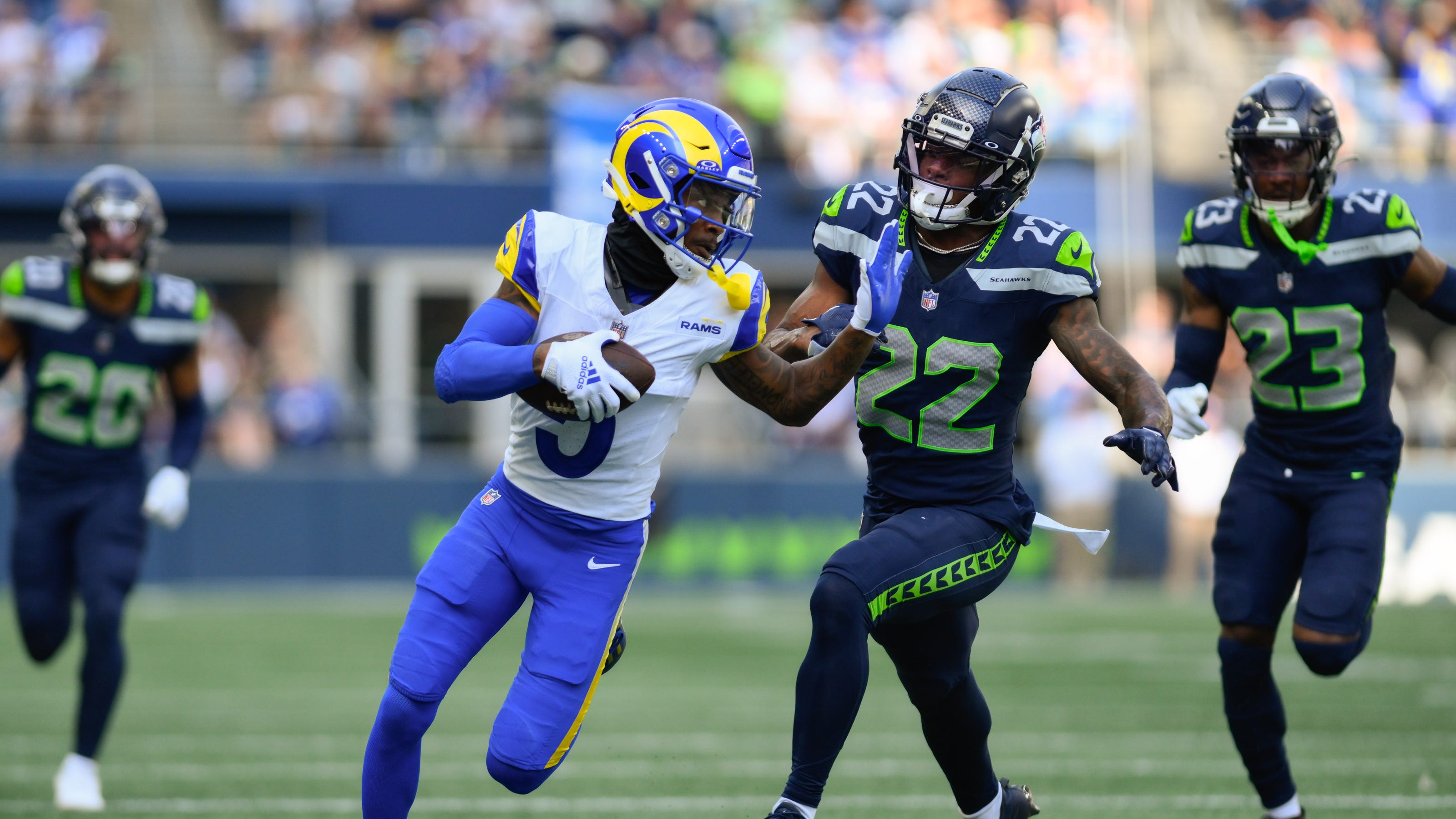
A convincing run fake can pull linebackers forward and open passing windows.
The best play-action concepts do not simply involve the quarterback pretending to hand off. The entire offense sells the run. Offensive linemen take steps that resemble the run concept. Tight ends show blocking posture. The running back attacks the same track he would use on a real carry.
If linebackers recognize wide zone, they are trained to flow toward the run. The offense uses that reaction against them. The quarterback fakes the handoff, rolls away or resets in the pocket and throws behind the defenders who moved forward.
The key is visual similarity
Play action becomes more effective when the defense cannot immediately distinguish the pass from the run. If the offensive line, back and quarterback use noticeably different movement on the fake, the defense receives an early clue. Good systems make the first steps nearly identical.
Bootlegs and Movement Passes
Bootlegs move the launch point and can create defined high-low reads.
A bootleg moves the quarterback outside the original pocket after a run fake. The offense often creates a simple three-level read:
• A receiver or tight end in the flat.
• An intermediate crossing route.
• A deeper route that stretches the coverage vertically.
The quarterback can read those levels while moving toward the sideline. The concept reduces the number of defenders he needs to process at once and can create an easy completion if the defense overreacts to the run.
Why Edge Defenders Hate Boot Action
An edge defender has conflicting responsibilities. If he crashes hard on the running back, the quarterback may keep the ball or boot around him. If he stays wide to contain the quarterback, the run may gain a cleaner cutback lane.
This is similar to the conflict created by option football, but the quarterback does not always need to be a major rushing threat. The possibility of a rollout is enough to influence the defender’s path.
Under Center Does Not Mean Predictable
One common misconception is that under-center formations automatically signal a run. Modern offenses intentionally break that tendency. They can run dropback passing concepts, screens, quick game and shot plays from the same alignment.
The goal is to prevent the defense from using formation alone as a reliable predictor. If a team only runs from under center, opponents will adjust quickly. The most effective systems pair runs and passes so the defense must respect both.
The Connection to Pre-Snap Motion
Motion changes defensive leverage and adds uncertainty to under-center formations.
Under-center offense becomes even more difficult to defend when paired with motion. A tight end can shift the strength of the formation. A receiver can jet across the backfield. A fullback or H-back can move from one side to the other. All of this happens before the defense has confirmed whether the play is a run or pass.
Receivers aligned closer to the formation can become part of the run game as blockers and can also create traffic on crossing routes. Their alignment makes it easier to run deep-over concepts behind play action because the receiver has a shorter path across the field.
Condensed formations also make it difficult for cornerbacks to press cleanly. Receivers can release through traffic and force defenders to communicate switches.
The Quarterback Footwork Challenge
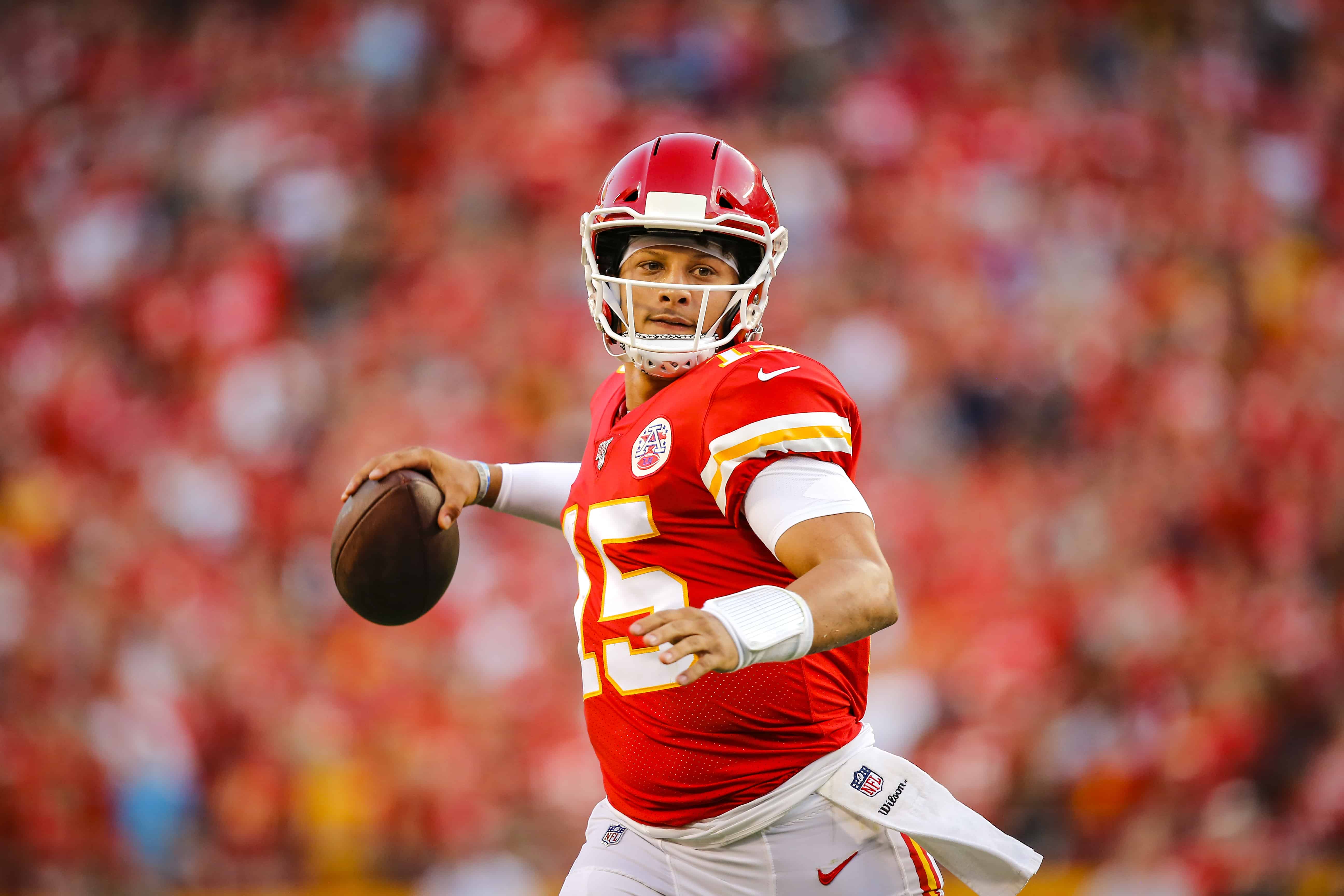
Under-center offense requires precise snap, drop and play-action footwork.
Under-center football requires different mechanics than shotgun. The quarterback must secure the snap, execute a three-, five- or seven-step drop, turn for the handoff or fake, then regain vision of the defense.
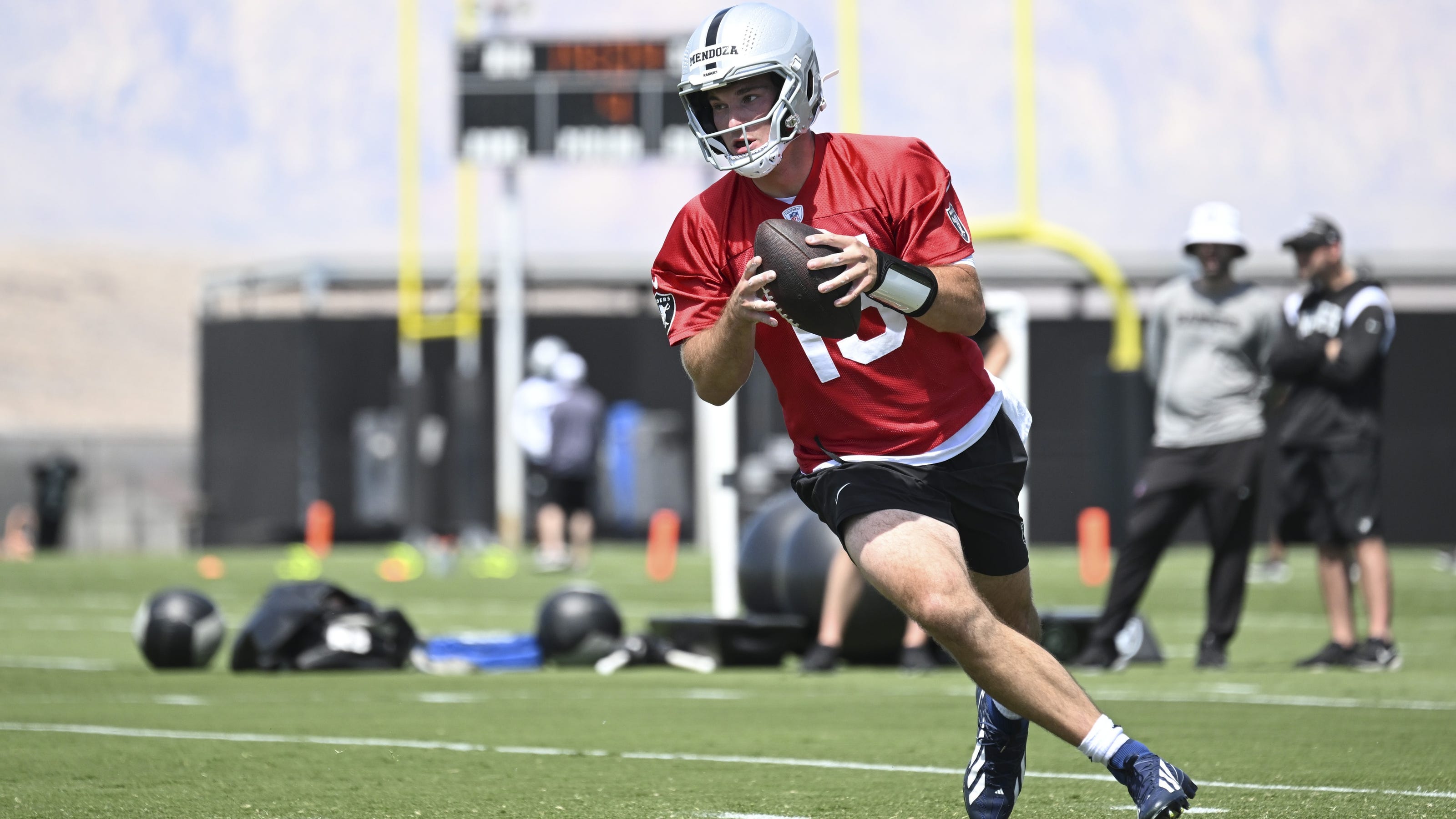
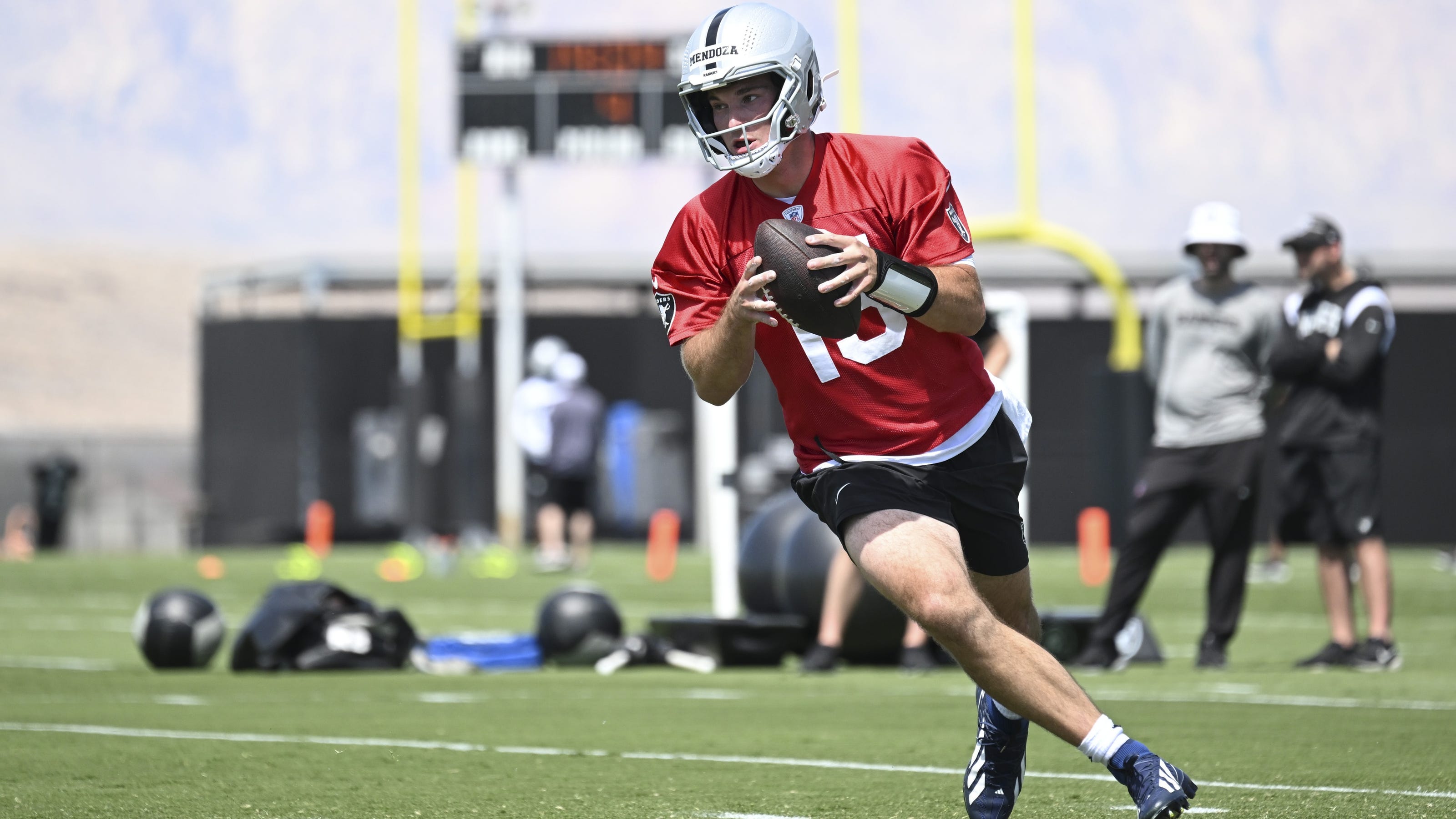
This is especially important for quarterbacks entering the NFL from shotgun-heavy college systems. In May 2026, NFL.com noted that rookie Fernando Mendoza took more under-center snaps during Raiders rookie minicamp than he had in three college seasons. That transition illustrates how footwork can be a real developmental issue rather than a cosmetic change. See NFL.com’s report on the under-center transition.
What the Quarterback Gains
Although the quarterback briefly loses visual contact with the defense during some fakes, he can gain a clearer post-fake picture. Linebackers may move toward the line, safeties may rotate and defenders may reveal their leverage. The quarterback then turns back to a more defined structure.
This is why play-action offenses can help young quarterbacks. Instead of asking them to read the entire field immediately, the concept can create a smaller number of high-value options.
How Defenses Counter Under-Center Offense
Stay disciplined with run keys
Linebackers can avoid chasing the backfield fake by reading offensive-line movement and maintaining assignment discipline.
Use five-man fronts
A five-man front can reduce double teams and make wide-zone blocking more difficult by placing defenders across more gaps.
Set hard edges
Edge defenders can force the bootleg back toward inside pursuit while still squeezing the run.
Rotate safeties late
Defenses can show one coverage before the snap and rotate after the quarterback turns his back, making the post-fake read less predictable.
1. Count how often the quarterback starts under center.
2. Watch whether wide-zone runs and bootlegs begin with the same action.
3. Track tight-end motion before the snap.
4. Notice whether the quarterback throws to the flat, cross or deep route on boot action.
5. Watch backside edge defenders to see whether they crash or contain.
6. Compare the defense’s safety alignment before and after the fake.
Frequently Asked Questions
Is under-center offense old-fashioned?
No. Modern under-center systems combine traditional footwork with motion, spread concepts, analytics and versatile personnel.
Why is play action often stronger from under center?
The quarterback can hide the ball more effectively and the backfield action can closely resemble a real downhill run.
Do mobile quarterbacks need shotgun?
No. Mobile quarterbacks can operate under center and still use bootlegs, designed movement and occasional option concepts.
Can a team run RPOs from under center?
Some run-pass concepts can be designed from under center, although shotgun usually provides cleaner access to many traditional RPO reads.
Conclusion
The under-center revival is a reminder that NFL strategy rarely moves in a straight line. Spread football did not eliminate under-center offense; it forced coaches to find better reasons to use it. In 2026, those reasons are clear: stronger run-action deception, better wide-zone timing, moving pockets and simpler post-snap reads.
The most effective teams will not choose between old-school and modern football. They will combine both. Watch for offenses that can line up under center, threaten a physical run, use motion to change the picture and then create an easy throw behind a defense that reacted one step too aggressively. That ability to make several plays look the same is the real reason under-center football remains so valuable.