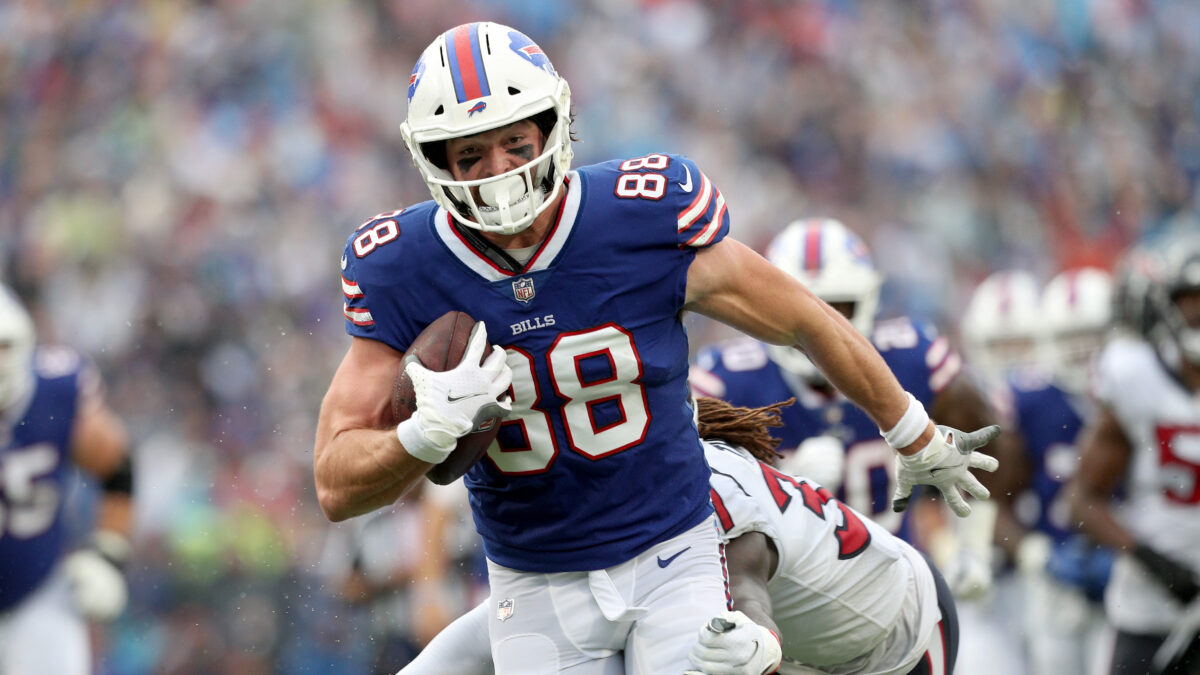
Why Heavy Personnel Is Back in the NFL: 12, 13 and Jumbo Packages in 2026
RedZoneHQ Staff · Sep 18, 2026
Why Heavy Personnel Is Back in the NFL: 12, 13 and Jumbo Packages in 2026 The NFL is cyclical, but the most interesting trends are rarely simple throwbacks. In 2026, one of the clearest tactical shifts is the return of b…
The NFL is cyclical, but the most interesting trends are rarely simple throwbacks. In 2026, one of the clearest tactical shifts is the return of bigger offensive groupings built around multiple tight ends, fullbacks, extra offensive linemen and condensed formations. This does not mean the league is abandoning speed or spread concepts. Instead, coaches are combining old-school body types with modern spacing, motion and play-action to create favorable matchups.
For fans who want to understand why offenses suddenly look heavier, the key idea is flexibility. A personnel package is valuable when it can threaten the defense in several ways without substituting. A two-tight-end set can run power football on one snap, split both tight ends into routes on the next, then use motion to create an empty formation without changing a single player. That uncertainty makes defensive substitution and coverage calls harder.
This guide explains what 12 personnel, 13 personnel and jumbo packages mean, why they are trending, how defenses respond, and what to watch for during the 2026 NFL season. For a foundation on basic alignments, see our guide to offensive football formations.
What Heavy Personnel Means in Football
Personnel labels describe the skill players on the field, not the exact formation.
Football personnel labels use two numbers. The first indicates the number of running backs, and the second indicates the number of tight ends. The remaining eligible skill-position spots are wide receivers. Because five offensive linemen and one quarterback are normally on the field, the personnel code helps coaches quickly describe the skill-player mix.
Package
Running backs
Tight ends
Wide receivers
Typical purpose
11
1
1
3
Spread balance
12
1
2
2
Run/pass versatility
13
1
3
1
Heavy run looks with play-action potential
21
2
1
2
Fullback-based offense
Jumbo
Varies
Varies
Few
Short yardage, goal line, matchup stress
The distinction between personnel and formation matters. Twelve personnel can line up in a traditional tight formation, a shotgun spread look, a bunch set or an empty formation. The same five skill players can create multiple pictures for the defense.
Why the Trend Accelerated
NFL defenses spent years getting faster and lighter to handle three-receiver offenses. Nickel personnel became the practical base defense for many teams. That created a counter opportunity: offenses could put bigger blockers on the field, force defensive coordinators to choose between staying small or substituting heavier defenders, and then attack whichever choice created the better matchup.
NFL Next Gen Stats highlighted this shift after the 2025 season, noting that heavier offensive sub-packages became increasingly common and that successful teams used multiple tight ends, extra linemen and fullbacks to challenge lighter defenses. The league's own analysis is a useful current reference for understanding the trend: NFL Next Gen Stats on the rise of heavy personnel.
Reason 1: Force the defense to declare
When an offense sends two or three tight ends into the huddle, the defense must decide whether to stay in nickel or match size with base personnel. If it stays small, the offense may gain a blocking advantage in the run game. If it gets bigger, the offense can use tight ends as receivers against linebackers or create play-action opportunities.
Reason 2: Modern tight ends are matchup players
The best contemporary tight ends are not limited to inline blocking. They can align in the slot, motion across the formation, run option routes, seal an edge defender or lead through the hole. That versatility gives coordinators a way to play "heavy" without becoming predictable.
Reason 3: Condensed formations help both run and pass
Bringing receivers and tight ends closer to the formation changes pursuit angles and makes defensive coverage communication more difficult. It also gives offenses more opportunities for crossing routes, play-action bootlegs and crack blocks. The result is a compact pre-snap picture that can expand rapidly after the snap.
How 12 Personnel Creates a Run-Pass Dilemma
Twelve personnel is especially powerful because it does not tell the defense whether the offense intends to run or pass. With one back and two tight ends, a team can create seven strong blockers in the core while still maintaining four legitimate receiving threats when the running back releases.
A typical sequence might look like this:
1. The offense runs outside zone with both tight ends attached.
2. On the next series, one tight end motions across the formation and becomes a lead blocker.
3. Later, the offense shows the same motion but leaks the tight end into the flat on play action.
#4Finally, both tight ends detach into the slot, forcing the defense to reveal coverage rules.
The individual plays are not necessarily exotic. The value comes from making several concepts look identical before the snap.
Why 13 Personnel Is More Than a Goal-Line Package
Thirteen personnel—one running back, three tight ends and one receiver—looks extremely run-heavy. That expectation is exactly why it can be dangerous. If the defense commits extra bodies to the box, the offense can release one or more tight ends into routes. If a safety is responsible for a tight end who initially appears to be blocking, a delayed route can produce a clean throwing window.
Three-tight-end packages also allow teams to change the strength of the formation with motion. A tight end can shift from one side to the other, forcing linebackers and safeties to adjust gap responsibilities. Even when the play remains a run, the defense may have to communicate a new front moments before the snap.
What Jumbo Packages Add
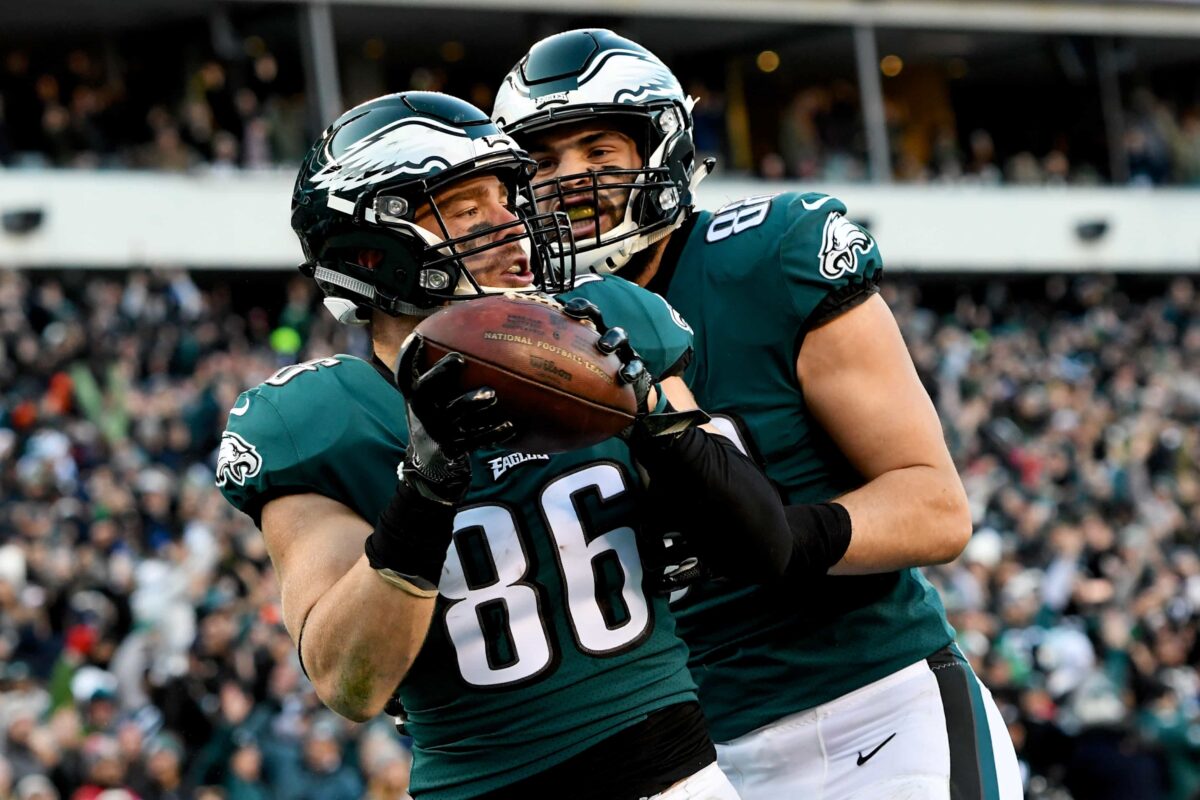
Jumbo packages add blocking surfaces and can create extra gaps for the defense to fit.
"Jumbo" is a broad term rather than a single standardized personnel code. Teams may add a sixth offensive lineman, use a defensive lineman as a blocker, or combine multiple tight ends with a fullback. These sets are common in short-yardage situations, but modern offenses increasingly use them in less obvious contexts.
The strategic advantage is straightforward: a sixth lineman can create an extra gap for the defense to fit. Once defenders overreact to the run threat, the offense can use tackle-eligible concepts, play-action shots or perimeter screens. The best jumbo packages are not merely bigger; they are designed to preserve enough flexibility that the defense cannot sell out against one play.
How Defenses Are Responding
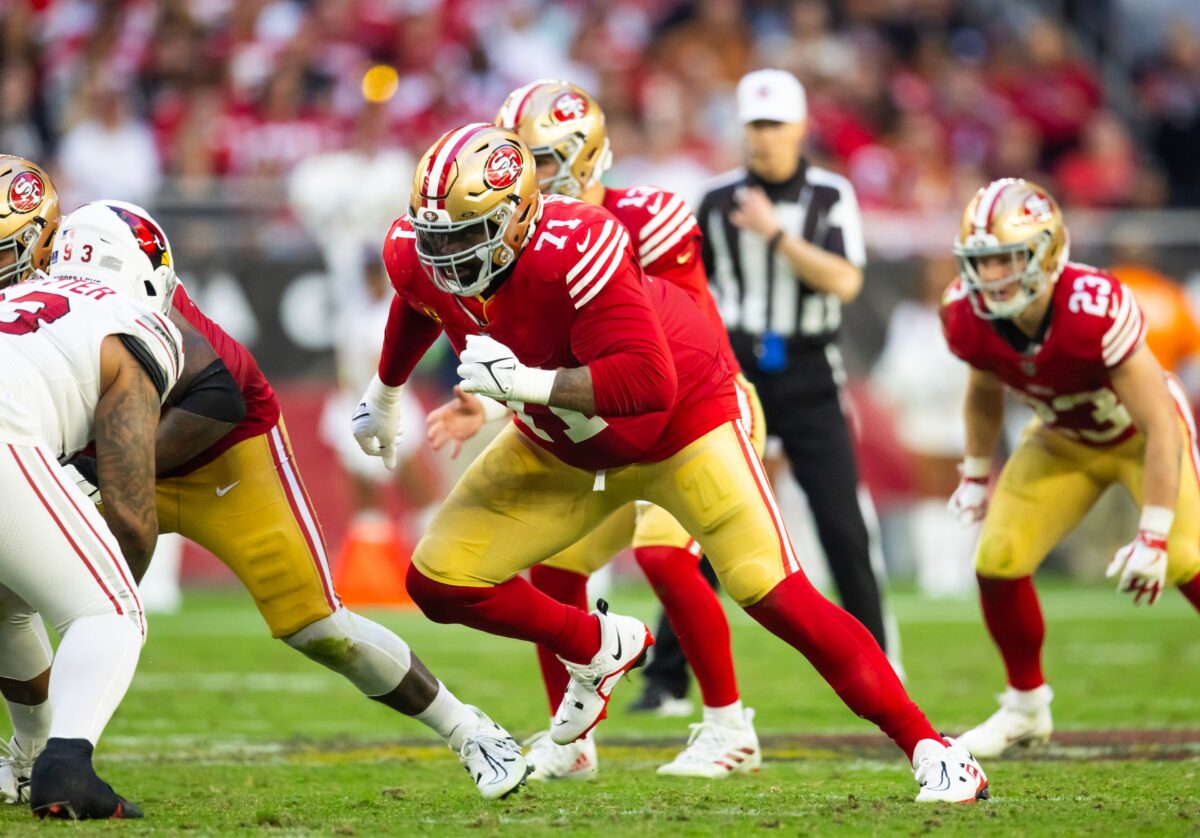
Defenses must balance coverage speed with enough size to defend the run.
Defenses have several answers, and each carries a tradeoff.
• Stay in nickel: Preserve speed and coverage flexibility, but risk being outmuscled in the box.
• Match with base: Add linebackers or bigger fronts, but expose slower defenders in coverage.
• Use hybrid safeties: Keep a defensive back on the field who can cover like a safety and fit the run like a linebacker.
• Spin the safeties late: Show a two-high structure before the snap, then rotate a safety down after the snap.
• Slant or angle the front: Use movement to disrupt blocking combinations rather than trying to win every collision with size.
This chess match is one reason hybrid defensive backs are increasingly valuable. We cover that trend separately in our guide to the modern nickel and "star" defender.
The Connection to Play Action
Heavy formations can make play-action fakes more convincing.
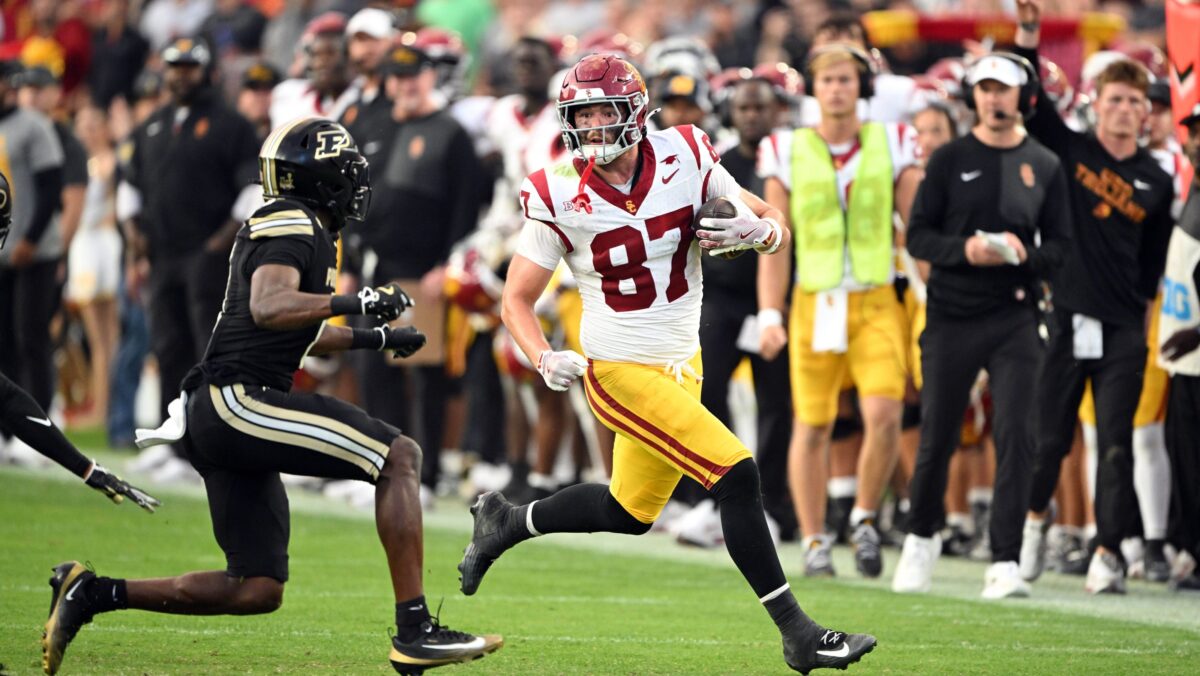
Heavy personnel can make play action more convincing because the formation naturally suggests a run. Linebackers are trained to read blocking surfaces and backfield action. When multiple tight ends step down as if blocking a run, even a small hesitation can open the intermediate middle of the field.
Play action is most effective when the route concept complements the run look. Common examples include:
• Crossing routes behind linebackers.
• Corner routes from a tight end after a block-release fake.
• Bootlegs that move the quarterback away from the initial run action.
• Deep-over routes from condensed receivers.
• Leak routes in which an eligible blocker delays before releasing.
The offense does not need to run on every heavy-personnel snap for the fake to work. It needs a believable run presentation and enough previous evidence that the defense respects it.
Why This Trend Matters for Roster Construction
Scheme trends eventually affect personnel decisions. A team that wants to use 12 and 13 personnel frequently needs more than one playable tight end. It may value a blocking specialist who can remain on the field, a fullback with receiving skills, or an offensive lineman athletic enough to report eligible in specialty packages.
On defense, the response can influence the value of versatile safeties, bigger nickel defenders and linebackers who can carry tight ends in coverage. This is why the personnel battle extends beyond Sunday play-calling. It shapes draft boards, free-agent priorities and the types of backups teams keep active on game day.
What Fans Should Watch in 2026
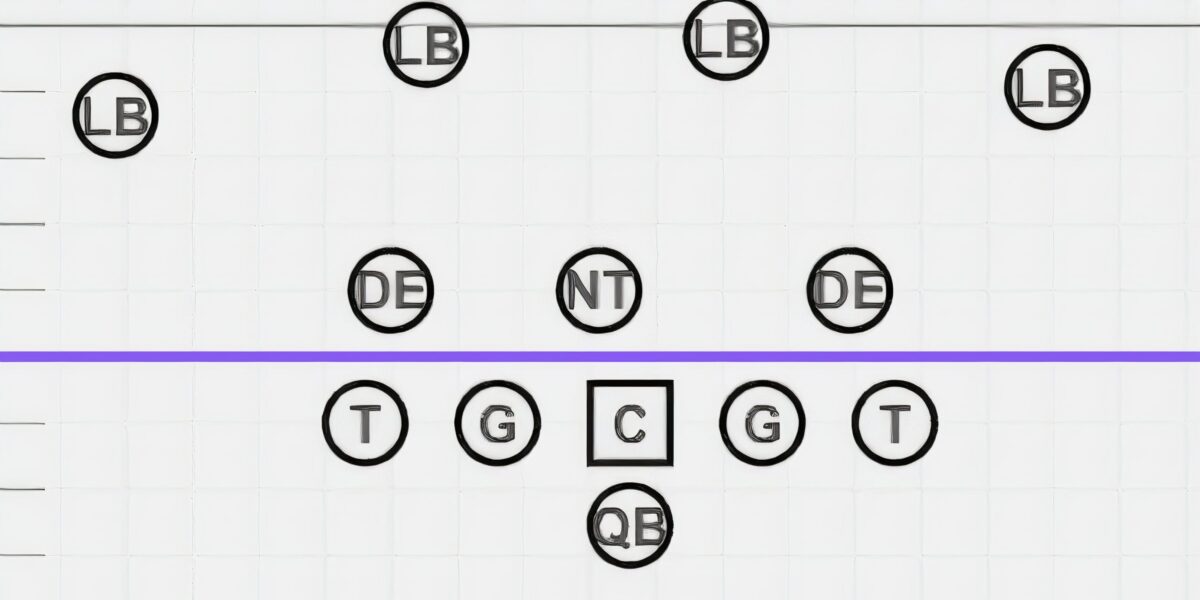
Motion and alignment changes reveal whether heavy personnel is truly versatile.
Instead of simply counting tight ends, watch how the offense uses them. A heavy package is most interesting when it changes shape without substituting.
Game-day checklist
• Does the defense stay in nickel against two-tight-end sets?
• Does one tight end regularly motion before the snap?
• Are the wide receivers aligned close to the formation?
• Does the offense pass when the defense responds with base personnel?
• Are extra offensive linemen used outside obvious goal-line situations?
• Do tight ends release late after initially showing a block?
These clues reveal whether the package is simply a short-yardage tool or a true foundation of the offense.
Frequently Asked Questions
Is 12 personnel always a running formation?
No. Twelve personnel describes the players on the field, not the play call. Modern teams can spread two tight ends out and run sophisticated passing concepts from the same grouping.
Why not use three wide receivers all the time?
Eleven personnel remains highly useful, but an offense that never changes body types can make defensive substitution easier. Multiple personnel packages create matchup and communication problems.
What is the difference between 13 personnel and jumbo?
Thirteen personnel specifically means one running back and three tight ends. Jumbo is a general label for very heavy packages, often including a sixth offensive lineman or unusual extra blockers.
Does heavy personnel make an offense slower?
Not necessarily. Tight ends and fullbacks can be athletic route runners, and motion can create horizontal stress even from a large grouping. The key is whether those players can perform multiple jobs.
Conclusion
The return of heavy personnel is not a rejection of modern football. It is modern football adapting again. As defenses became faster and more comfortable against spread formations, offenses searched for a way to regain physical and schematic leverage. Multiple tight ends, fullbacks and jumbo packages provide that leverage while still supporting motion, play action and creative passing concepts.
For 2026, the most important takeaway is to look beyond the number of receivers on the field. The best offenses are using body type as a tool for creating uncertainty. When a team can run power, throw from spread spacing and change formations without substituting, the defense must solve several problems at once—and that is exactly why heavy personnel has become one of the NFL's most important tactical trends.