Chip Blocks and Pass Protection: How NFL Offenses Are Fighting Elite Edge Rushers
RedZoneHQ Staff · Sep 2, 2026
Chip Blocks and Pass Protection: How NFL Offenses Are Fighting Elite Edge Rushers Modern NFL offenses are built around explosive passing, but every passing concept starts with one basic requirement: the quarterback needs…
Chip Blocks and Pass Protection: How NFL Offenses Are Fighting Elite Edge Rushers
Modern NFL offenses are built around explosive passing, but every passing concept starts with one basic requirement: the quarterback needs enough time to deliver the ball. That has become harder as edge rushers grow faster, stronger and more technically refined. Offenses have responded with a familiar technique used in increasingly creative ways—the chip block.
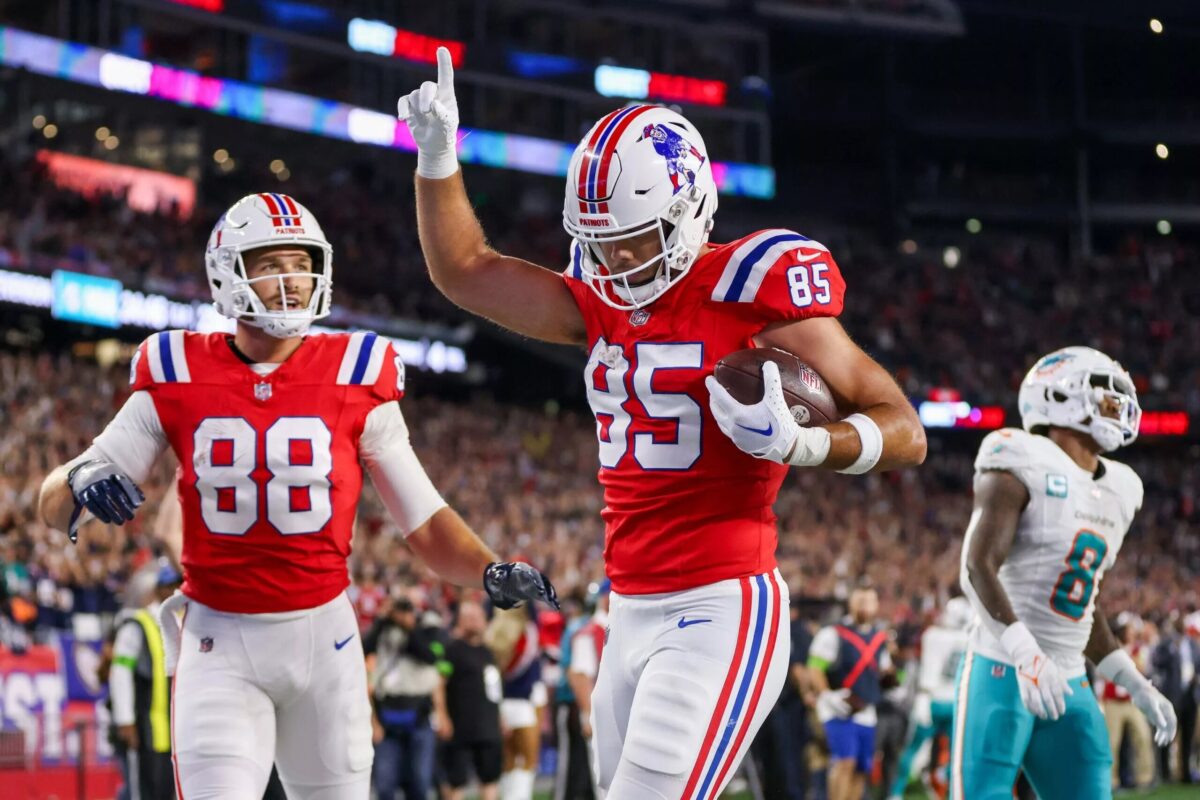
A chip block is a quick contact by a tight end, running back or occasionally another eligible receiver before that player releases into a route. The goal is not necessarily to stop the pass rusher completely. A small delay can change the rusher's angle, disrupt timing and give the offensive tackle valuable help without removing the chipper from the passing concept.
In 2026, chip blocks fit naturally with the broader rise of heavy personnel, tight-end versatility, condensed formations and play-action offense. NFL Next Gen Stats has specifically highlighted how offenses are using chips more often to buy quarterbacks extra time against elite rushers. This article explains how the technique works, when coaches call it, why it can be so effective and what tradeoffs come with it.
What Is a Chip Block in Football?
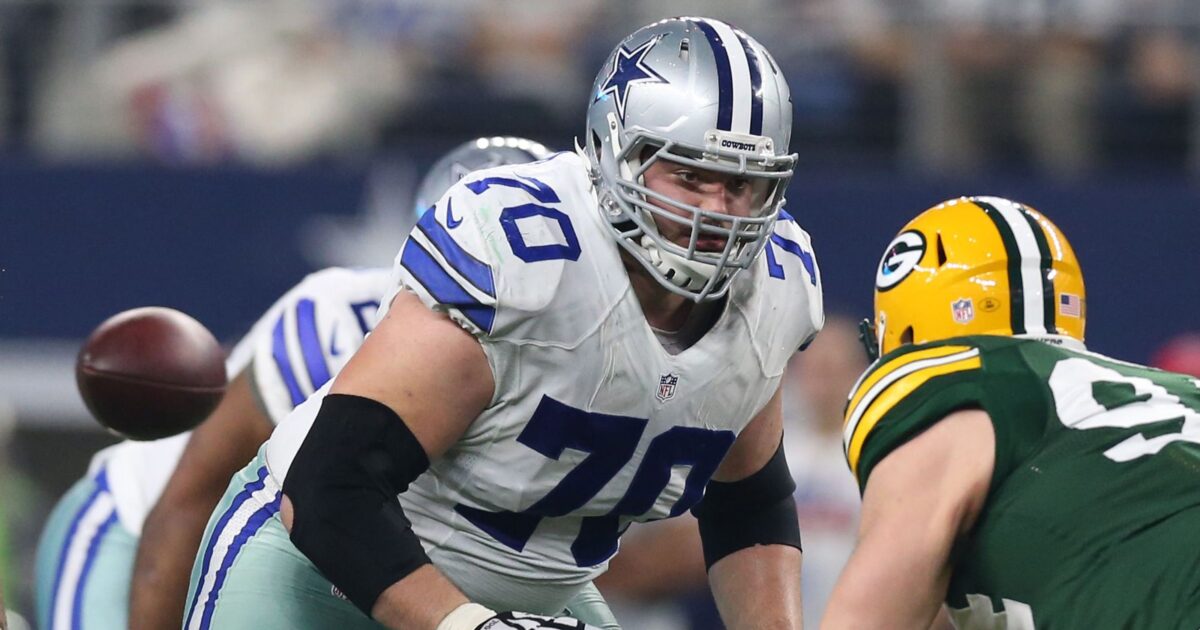
A chip block disrupts the rusher before the tight end releases into a route.
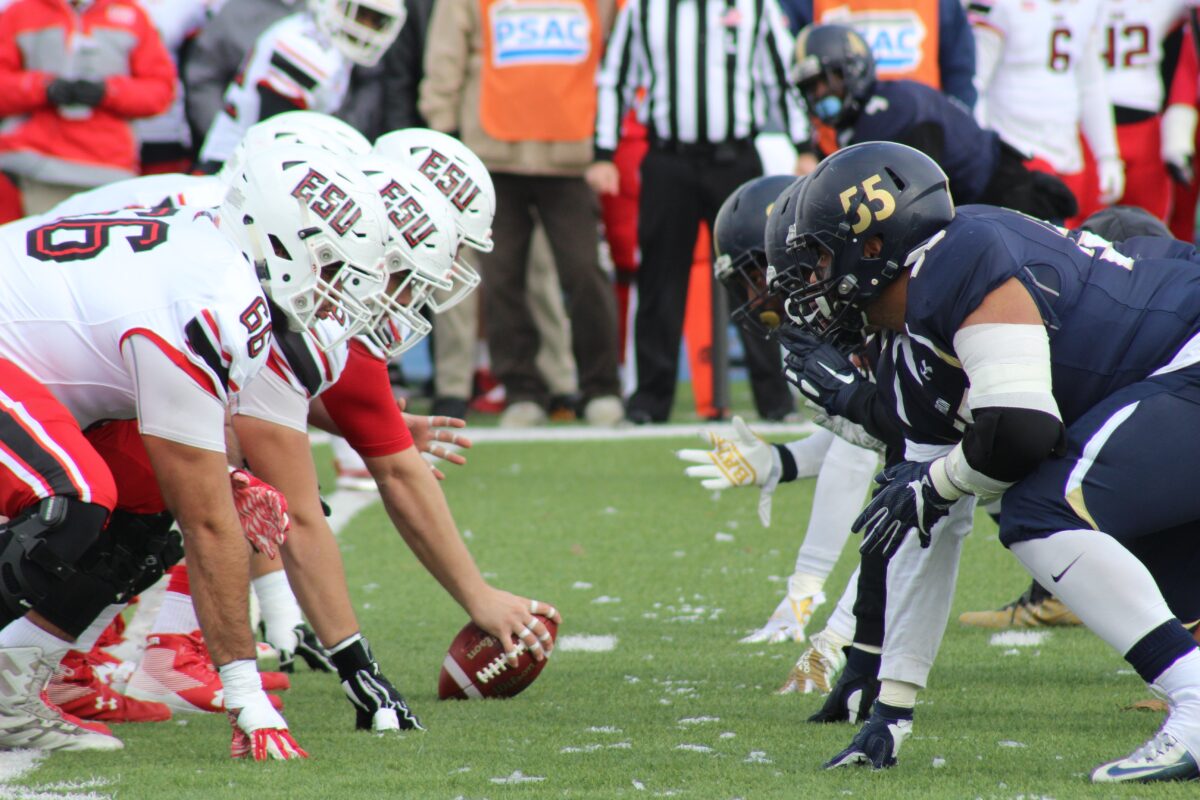
A chip is brief contact on a pass rusher before the assisting player continues into his assignment. Unlike a traditional double team, the helper does not remain engaged for the entire protection. The offensive tackle is still primarily responsible for blocking the rusher, but the chip can force the defender to restart his rush or take a wider path.
The technique can come from several positions:
• Tight end: Aligns near the tackle, makes contact with the edge rusher and releases into a route.
• Running back: Checks the protection, helps an offensive lineman and then leaks into the flat or checkdown area.
• H-back or fullback: Moves across the formation, delivers contact and continues to the route or blocking assignment.
• Receiver: Less common, but a receiver can disrupt an edge player from a condensed alignment before releasing.
The timing must be precise. Contact that lasts too long can delay the route, while a weak chip may do little to affect the rusher.
Why a Half-Second Matters So Much
NFL passing windows open and close quickly. A quarterback may need only a fraction of a second to move from the first read to the second, let a deep crossing route clear a linebacker, or wait for a receiver to break away from coverage. The difference between 2.4 seconds and 2.9 seconds can be the difference between a clean completion and a sack.
NFL Next Gen Stats discussed the growing use of chip blocks after the 2025 season, noting that more offenses were using them at significant rates to help handle dominant edge rushers. See the league's current analysis at NFL.com: how offenses use chip blocks to buy quarterbacks time.
How a Chip Changes the Pass-Rush Path
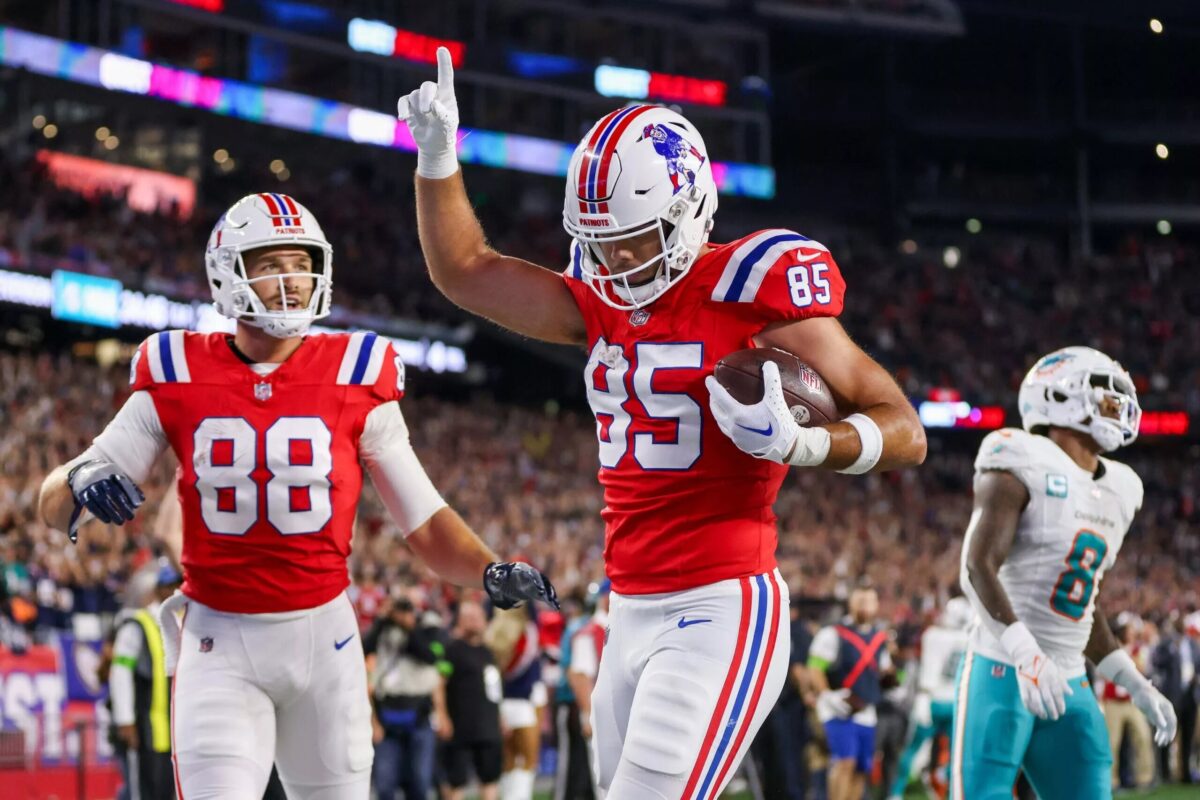
Even brief contact can widen a pass rusher or interrupt his preferred move.
Elite edge rushers win with speed, power, hand usage and the ability to threaten multiple paths to the quarterback. An offensive tackle wants the rusher to choose a predictable track. A well-placed chip can help create that predictability.
Widening the rusher
If a tight end contacts the rusher's inside shoulder, the defender may be forced to take a wider arc. That gives the tackle more space and increases the distance the rusher must travel.
Interrupting a speed-to-power move
Some rushers convert an explosive first step into a powerful bull rush. A chip can interrupt the initial acceleration and prevent the defender from building the same force.
Changing the hand-fighting sequence
Pass rushers plan their hand placement against offensive tackles. Contact from a second player can force the defender to use his hands earlier than expected, leaving the tackle in a better position.
Chip Blocks vs. Full Double Teams
A full double team commits two blockers to one defender for a meaningful portion of the play. A chip is more economical. It gives help for a moment while preserving the helper as a receiving option.
Technique
Help level
Route impact
Best use
Chip block
Brief
Route delayed, not removed
Helping tackle vs. edge rusher while keeping receiver in concept
Full double team
Strong and sustained
Usually removes one eligible receiver from route
Critical protection or interior threat
Slide protection
Scheme-based
Depends on back assignment
Handling fronts and pressure patterns
Offensive coordinators choose among these methods based on the opponent, down and distance, route concept and quarterback's ability to handle pressure.
Why Tight Ends Are Central to the Trend
The modern tight end is valuable because he can affect both protection and coverage. From the same alignment, a tight end can block an edge rusher, chip and release, run a route immediately, motion across the formation or lead on a running play. That uncertainty makes the defense work harder.
This connects directly to the NFL's broader heavy-personnel trend. Two-tight-end packages give the offense multiple potential chippers without sacrificing all receiving flexibility. Read our guide to 12, 13 and jumbo personnel in 2026 for the bigger tactical picture.
How Running Backs Help in Protection
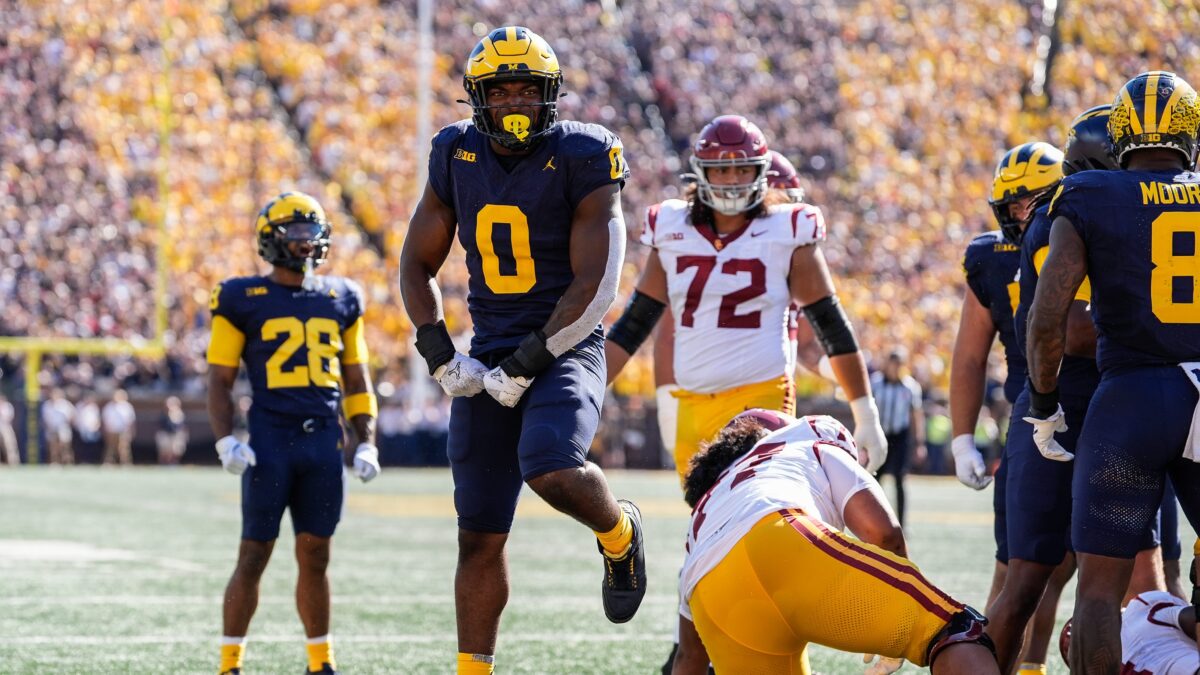
Running backs must identify pressure before releasing as checkdown receivers.
Running backs often have a protection responsibility before they become checkdown receivers. They may scan inside for a blitzing linebacker, then help an offensive tackle if no immediate interior threat appears. The challenge is making the decision quickly enough to be useful.
A running back who chips too early may miss a late blitzer. One who waits too long may arrive after the edge rusher has already won. This is why pass protection is one of the most demanding parts of playing running back, even though it receives less attention than rushing and receiving statistics.
The Route-Concept Tradeoff
Every chip has a cost. If a tight end spends even half a second helping the tackle, he reaches his route landmark later. That can affect the quarterback's progression and change the spacing of the concept.
Coaches therefore build routes around the delay. A chipped tight end may run a shallow route, sit in an open zone or release into the flat as a late checkdown. The offense should not ask him to execute a route that depends on immediate vertical speed unless the protection plan allows it.
How Chip Blocks Fit Condensed Formations
Condensed formations place eligible receivers closer to the offensive line, which naturally puts them in position to help on the edge. A receiver or tight end can contact a rusher and still release into a crossing route. Motion can also bring the chipper to the desired side immediately before the snap.
That is one reason motion, heavy personnel and chip protection often appear together. Our pre-snap motion and condensed formations guide explains how those tools create leverage before the ball is snapped.
What Defenses Do to Counter Chips
Pass rushers and defensive coordinators are not passive. When offenses repeatedly chip one edge, the defense can change the problem.
• Move the star rusher to the opposite side.
• Align the rusher wider so the chipper has a harder angle.
• Use stunts that send the edge defender inside after the chip.
• Blitz another defender through the space vacated by the releasing tight end.
• Drop the expected rusher into coverage and bring pressure from elsewhere.
These answers can turn an offensive protection solution into a new coverage or communication problem.
Chip Blocks and Play Action
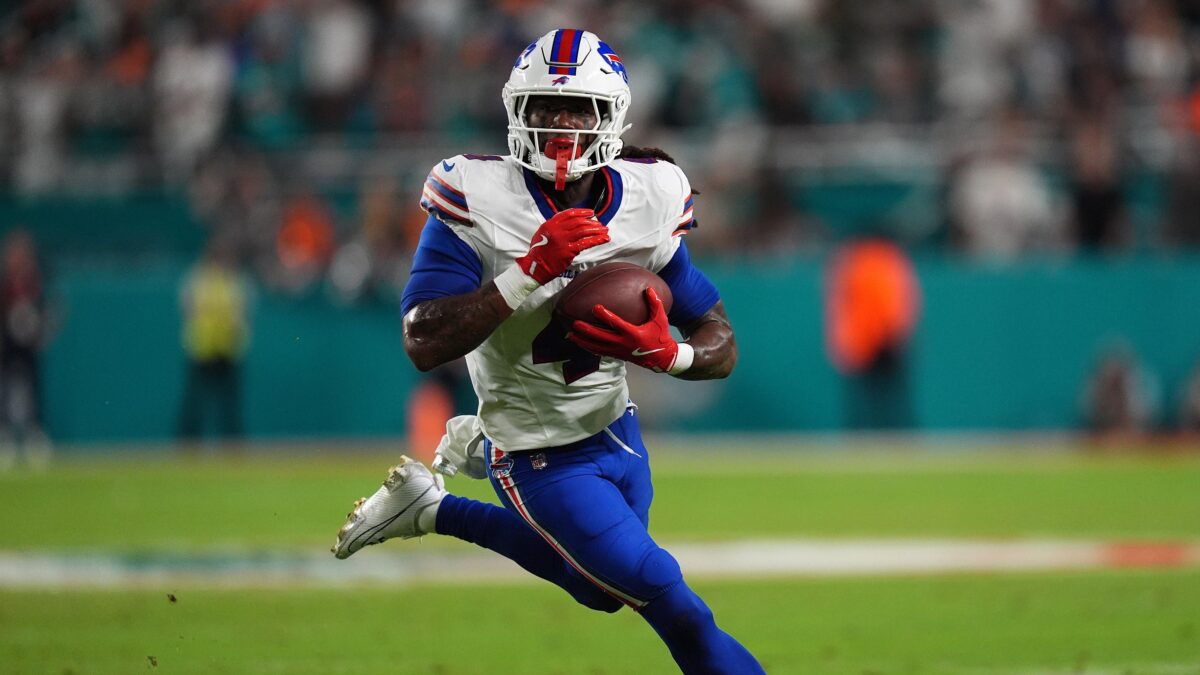
Play action can disguise whether a tight end is blocking, chipping or releasing.
Play-action passes are an ideal environment for chip techniques because eligible blockers can make their initial movement look like run blocking. A tight end may strike an edge defender, sell the run for an instant and then release into the route. The linebacker or safety must decide whether the tight end is staying in protection or becoming a receiver.
That hesitation can be just as valuable as the physical contact on the rusher.
When Coaches Are Most Likely to Use Chips
Chip help is especially common in situations where the defense has a clear pass-rush advantage.
Long-yardage downs
On third-and-long, edge rushers can attack without respecting the run as much. A chip can slow the first step and help the tackle survive.
Against elite individual rushers
If one defender is consistently winning one-on-one, the offense can change the protection rather than leaving the tackle isolated all game.
Deep-developing routes
Shot plays require more time. The offense may delay a tight end or back in exchange for better protection while the main routes develop downfield.
When the offensive line is dealing with injury
A backup tackle may receive more help than a healthy starter. Protection can be tailored to personnel rather than treated as a fixed system.
What Fans Should Watch on Replay
Television cameras follow the ball, so chips can disappear from live view. Replays make them easier to identify.
1. Find the tight end or running back at the snap.
2. See whether he contacts an edge defender before releasing.
3. Watch how the contact changes the rusher's path.
4. Note whether the quarterback holds the ball longer than usual.
#5Check whether the chipper becomes a late checkdown option.
Once you start noticing chips, you will see how many “great protection” plays depend on help that never appears in the box score.
Pass Protection Is a Team Concept
Quarterback timing, line calls, backs and tight ends all contribute to protection.
It is easy to judge an offensive tackle by sacks allowed, but protection involves the quarterback, center, guards, backs, tight ends and scheme. The quarterback can help by changing the protection, getting the ball out on time or stepping up in the pocket. The center may redirect the line based on the front. A running back may pick up the most dangerous blitzer. A tight end may chip the opponent's best edge rusher.
This is why pass protection should be evaluated as a coordinated system rather than a series of isolated one-on-one blocks.
Common Mistakes When Explaining Chip Blocks
“A chip means the tackle cannot block.”
Not necessarily. Even elite tackles receive help when the matchup, situation or route concept makes it efficient. Protection is about maximizing the success of the entire offense.
“The chipper is no longer a receiver.”
In many designs, the player releases after contact and remains part of the progression.
“A successful chip must knock the defender down.”
No. The goal is often simply to alter timing or direction. A small change can be enough.
Frequently Asked Questions
Is a chip block legal?
Yes, when executed within the rules governing legal contact and eligible receivers. Players must still avoid prohibited blocks and illegal contact situations.
Can a wide receiver chip a defensive end?
It is possible from certain alignments, although tight ends and running backs are more common because of their proximity and blocking role.
Does a chip count as a double team?
Informally, two players may contact the same defender, but coaches usually distinguish a brief chip from a sustained double-team protection.
Why not chip on every pass?
Constant chips would delay too many routes and make the passing game predictable. The offense needs a balance between protection and releasing enough receivers quickly.
Conclusion
Chip blocks are a small technique with a large strategic effect. Against the NFL's best edge rushers, an offense does not always need to win a perfect one-on-one battle. It may only need to change the defender's path long enough for the quarterback to finish the progression.
That is why chip protection fits the direction of modern football so well. Tight ends are more versatile, heavy personnel is more flexible, formations are more condensed and offensive coordinators are constantly searching for ways to protect the quarterback without sacrificing the passing concept. In 2026, watch the players who make brief contact and then disappear into a route. They may be the hidden reason a big completion had time to develop.