Interior Defensive Line Boom in 2026: Why NFL Defensive Tackles Are Becoming Premium Players
RedZoneHQ Staff · Sep 8, 2026
Interior Defensive Line Boom in 2026: Why NFL Defensive Tackles Are Becoming Premium Players For years, the easiest way to describe defensive positional value was to start on the edge. Quarterbacks changed the game, so d…
Interior Defensive Line Boom in 2026: Why NFL Defensive Tackles Are Becoming Premium Players
For years, the easiest way to describe defensive positional value was to start on the edge. Quarterbacks changed the game, so defenses paid elite edge rushers to reach them. That logic still matters, but the 2026 NFL is making another position impossible to ignore: defensive tackle.
Interior defenders are no longer viewed only as space-eaters whose main job is to stop the run. The best modern defensive tackles can collapse the pocket, defeat guards one-on-one, split double teams, disrupt outside-zone tracks and force offenses to change protection. When that player can win on all three downs, he becomes one of the hardest pieces in football to replace.
NFL.com described defensive tackle as a position “having a moment” in July 2026, pointing to major contracts and the league-wide value placed on disruptive interior defenders. The latest league analysis can be found in NFL.com’s 2026 defensive tackle rankings and market analysis.
Why Interior Pressure Is So Valuable
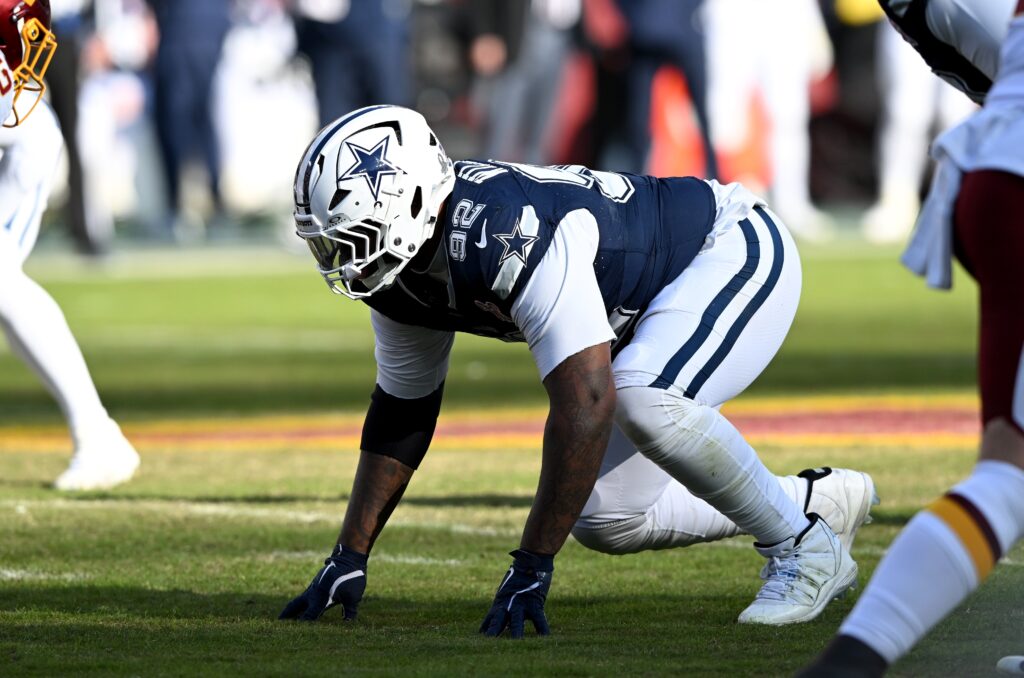
Interior pressure removes the quarterback’s step-up space and can disrupt throwing mechanics.
Quarterbacks are trained to handle edge pressure. They can step up in the pocket, climb away from a speed rusher or allow an offensive tackle to ride the defender around the launch point. Interior pressure creates a different problem. If the pocket collapses directly in front of the quarterback, there may be nowhere to step.
A defensive tackle who penetrates the A-gap or B-gap can affect the quarterback’s vision, throwing platform and timing. Even when the defender does not record a sack, he can force the quarterback to move before the route develops.
Pressure from the edge vs. pressure inside
Edge pressure lengthens the quarterback’s path to escape. Interior pressure shortens the pocket itself. The two types are most dangerous together because the quarterback cannot simply step forward to avoid the edge.
Why Guards and Centers Are Under More Stress
Interior offensive linemen must block powerful defenders in tight space while also handling stunts, blitzes and protection communication. A disruptive defensive tackle can create problems before the snap because the offense must decide whether to give him help.
If a guard receives help from the center, another defender may gain a one-on-one. If the offense slides protection toward the interior star, an edge rusher can benefit. Great defensive lines create these protection conflicts repeatedly.
The old stereotype of a defensive tackle was a very large player who occupied two blockers. That role still exists, but modern fronts include several interior profiles.
• Nose tackle: Aligns near the center and controls interior gaps.
• 3-technique: Often aligns on the outside shoulder of a guard and attacks a B-gap.
• Penetrating tackle: Wins with first-step quickness and disruption.
• Power tackle: Compresses the pocket with strength and leverage.
• Hybrid interior rusher: Moves across multiple alignments based on the matchup.
The trend is toward versatility. A player who can stop the run on early downs and rush the passer on third down keeps the defense from substituting.
Why Run Defense Still Drives the Position
The rise of heavy personnel and diverse running schemes makes interior defense more important, not less. Offenses are using duo, outside zone, counter and multi-tight-end formations to punish lighter defensive structures. The defensive tackle is often the first player who can destroy the timing of those concepts.
If he wins immediately, the running back may need to cut before the blocking develops. If he absorbs a double team without being moved, linebackers can flow cleanly to the ball. If he penetrates on a pull scheme, he can disrupt the path of the pulling blocker before the play reaches the intended gap.
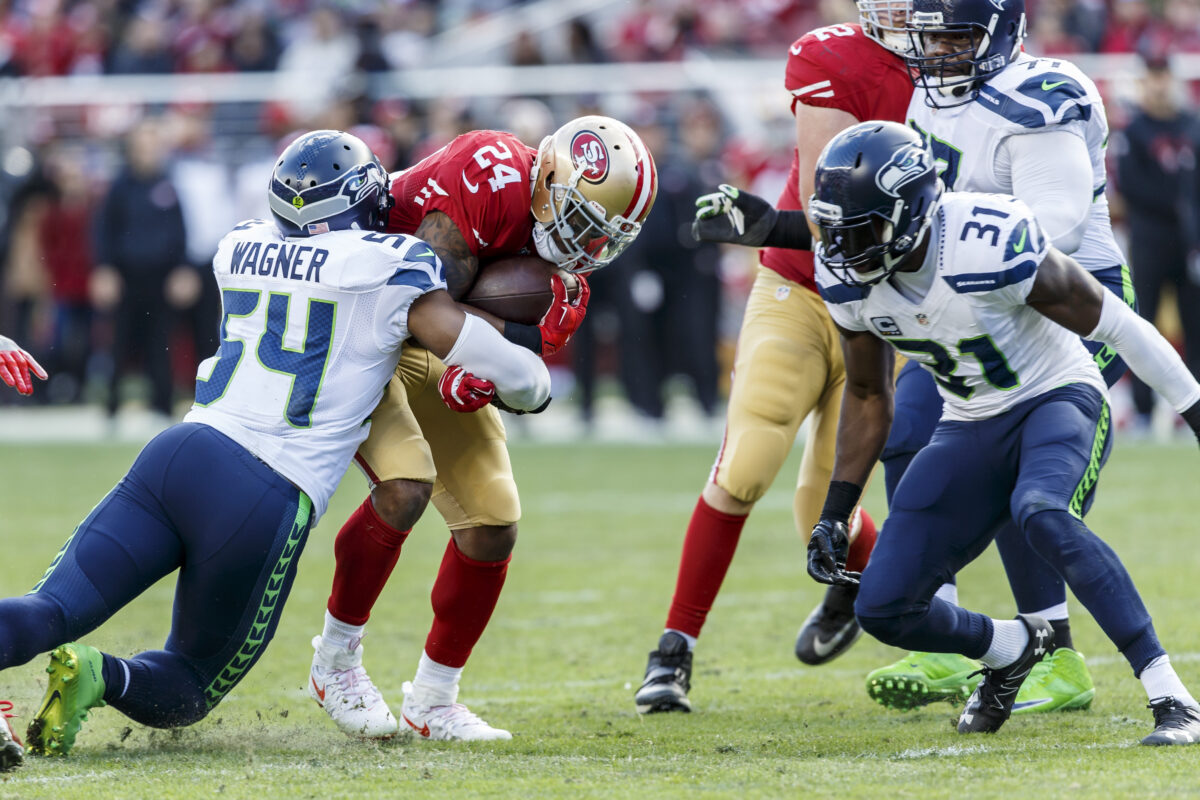
Forcing two blockers to account for one defender creates opportunities elsewhere.
Box-score statistics cannot fully describe interior line value. A defensive tackle may finish with only two tackles and still control the game if he forces constant double teams. Every second blocker assigned to him is a blocker unavailable elsewhere.
That creates opportunities for linebackers, edge rushers and blitzing defensive backs. The best front-seven players change how the offense allocates protection even when they are not making the final tackle.
Interior Rush Moves Explained
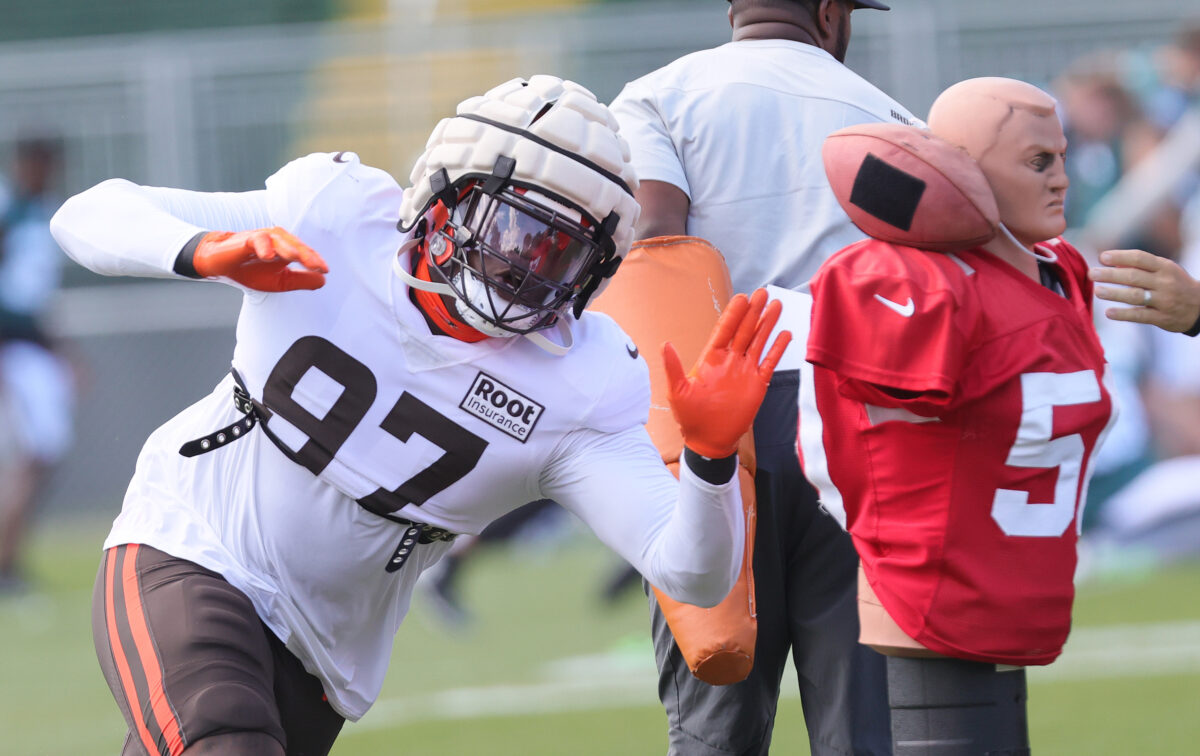
Modern interior rushers combine power, quickness and hand technique to win inside.
Club-rip
The defender strikes the blocker’s arm or shoulder, creates separation and rips through the gap.
Swim move
The defender uses quick hands to clear the blocker and step past him. It can be effective but risky if the lineman maintains leverage underneath.
Bull rush
The defender converts power into vertical movement, walking the guard or center backward into the quarterback.
Cross-face move
The tackle threatens one gap and suddenly works across the blocker’s face into the opposite lane.
Push-pull
The defender drives into the blocker, then uses the blocker’s resistance against him by pulling and escaping.
Why Defensive Tackles Help Simulated Pressure
Modern defenses use simulated pressure to manipulate protection without always sending extra rushers. A dangerous interior tackle makes those designs more effective because the offense already wants to send help inside.
A linebacker can threaten one A-gap, the center can turn toward him, and the defensive tackle can attack the opposite guard one-on-one. Alternatively, the defense can loop an edge rusher inside while the tackle occupies two blockers.
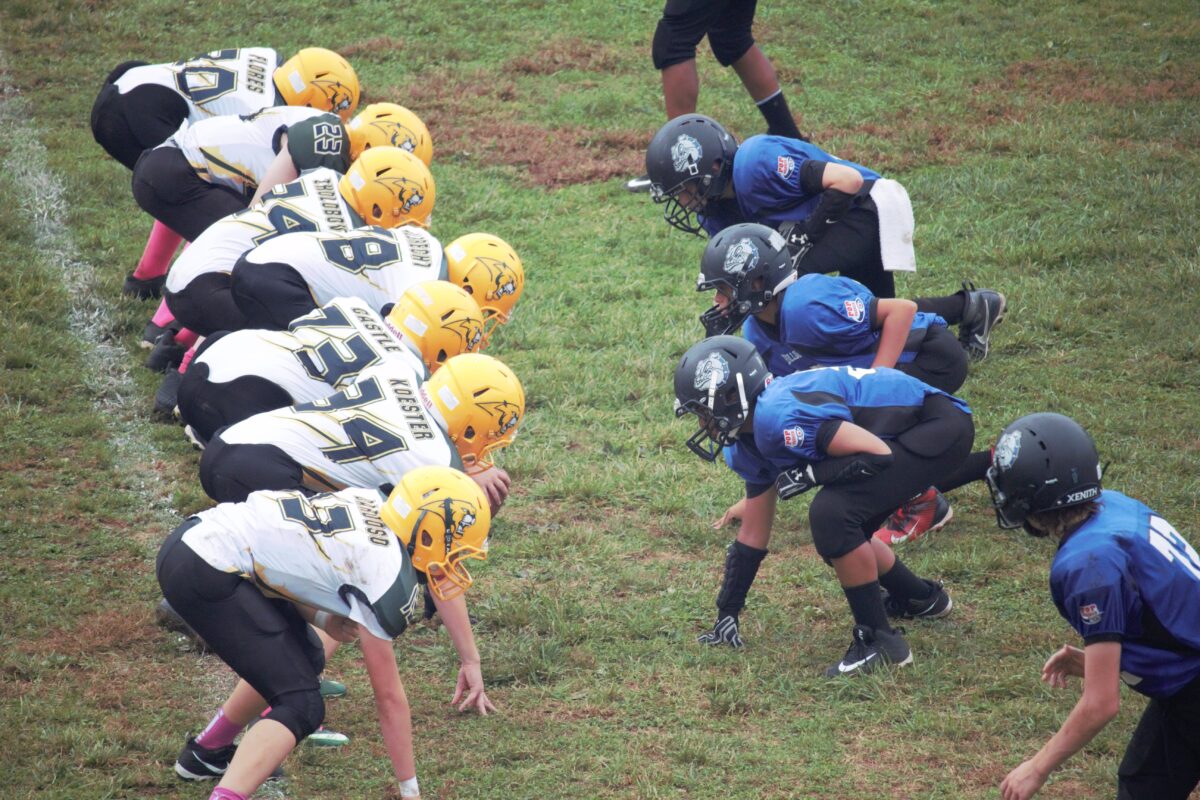
Stunts use coordinated movement to create a free or favorable rush lane.
One common pass-rush game is the tackle-end stunt. The defensive tackle attacks the offensive tackle or guard in a way that creates a lane for the edge rusher to loop inside. The timing must be coordinated. The first rusher is often sacrificing his own direct path to free a teammate.
Interior defenders with explosive movement make these games difficult because offensive linemen cannot assume the tackle will stay in one gap.
Why Shorter Interior Defenders Can Still Win
Height is not automatically an advantage inside. A lower center of gravity can help a defensive tackle gain leverage under a taller guard. Shorter, explosive players can win with pad level and quickness while larger defenders rely more on length and power.
The important question is whether the player can maintain balance, control the block and finish. The NFL’s 2026 discussion around ascending interior defenders reflects how teams are willing to value different physical profiles when the movement skills and production are strong.
The Contract Market Tells a Story
NFL.com’s July 2026 analysis highlighted major defensive tackle extensions and described the business around the position as booming. That matters because contracts are a practical measure of how teams allocate limited salary-cap resources.
When clubs commit premium money to interior defenders, they are saying the position creates value beyond traditional run defense. The salary cap itself reached $301.2 million for 2026, according to NFL Football Operations, giving teams more room but also raising the market for elite talent.
Why Defensive Tackle Value Affects Draft Strategy
A team that can develop disruptive interior players on rookie contracts gains enormous flexibility. Instead of paying premium free-agent money, it can allocate resources to quarterback, receiver, offensive line or cornerback.
This is why scouts care about traits that translate to both run and pass situations. A two-down run defender can be useful, but a three-down tackle changes roster economics.
Interior Defenders Against Wide Zone
Defensive tackles must maintain leverage while resisting lateral movement in wide zone.
Wide zone stresses a defensive tackle horizontally. The blocker wants to gain leverage and move the defender enough for the running back to read the lane. The tackle must avoid being reached while maintaining gap responsibility.
Fast interior defenders can “dent” the run by penetrating before the block develops. Stronger tackles can hold their ground and force the back to change course.
Interior Defenders Against Duo
Duo relies heavily on double teams and vertical displacement. The defensive tackle’s job may be to absorb the double long enough for the linebacker to remain free. A great tackle can do even more: split the combination before the second blocker climbs.
This is where raw tackle numbers can be misleading. The linebacker may make the tackle, but the interior defender created the play.
How Offenses Try to Neutralize Elite Defensive Tackles
• Slide protection toward the interior threat.
• Use quick passes before pressure arrives.
• Move the quarterback on bootlegs and rollouts.
• Run screens that punish penetration.
• Use double teams on early downs.
• Change the snap point with motion and formation.
• Use draw plays to exploit aggressive upfield rush.
None of these answers is free. Extra protection can reduce the number of receivers in the route, while quick passing can make the offense less explosive.
Interior Defensive Line vs. Edge: Quick Comparison
Area
Interior defensive line
Edge defender
Primary rush lane
A/B gaps
Outside tackle
Quarterback escape effect
Collapses step-up space
Forces quarterback forward or sideways
Run role
Control interior gaps and double teams
Set edge and chase
Common help
Center-guard combinations
Tight-end/running-back chips
Best trait combination
Power plus quickness
Length, bend and burst
What Fans Should Watch in 2026
1. Find the defensive tackle before the snap instead of watching only the edge rushers.
2. Count how often the offense sends a center to help the guard.
3. Watch whether the tackle changes the running back’s path.
4. Look for interior pressure that forces the quarterback off his spot.
5. Notice stunts where the tackle creates a lane for someone else.
6. Track whether the defender stays on the field in obvious passing situations.
Frequently Asked Questions
Why are NFL defensive tackles getting paid more?
The best players affect both the run and pass, force double teams and create pressure directly in front of the quarterback. That three-down impact is difficult to replace.
Is a nose tackle the same as a defensive tackle?
A nose tackle is a type of interior defensive lineman, usually aligned near the center. Defensive tackle is the broader position category.
Do defensive tackles need many sacks to be elite?
No. Sacks matter, but pressures, run stops, double teams and disruption can create enormous value even when the final sack total is modest.
Why is interior pressure difficult for quarterbacks?
It removes the space quarterbacks normally use to step forward away from edge pressure and can obstruct vision through the middle.
Conclusion
The 2026 defensive tackle boom is not a temporary fascination with big contracts. It reflects how the game has changed. Offenses are getting heavier, protections are becoming more complex and quarterbacks are better at escaping edge pressure. A defender who can collapse the pocket from inside while still controlling the run solves several problems at once.
That is why the interior defensive line is becoming a premium investment. The best tackles do not just make tackles. They change blocking plans, create one-on-ones for teammates, destroy run timing and remove the quarterback’s safest escape route. In a league built around protecting and disrupting the passer, pressure through the shortest path to the quarterback is becoming more valuable every year.