Modern Tight End Usage in the NFL: Why Multi-TE Sets Are Expanding in 2026
RedZoneHQ Staff · Sep 8, 2026
Modern Tight End Usage in the NFL: Why Multi-TE Sets Are Expanding in 2026 The tight end used to be described as a hybrid between an offensive lineman and a receiver. That description is still accurate, but it no longer …
Modern Tight End Usage in the NFL: Why Multi-TE Sets Are Expanding in 2026
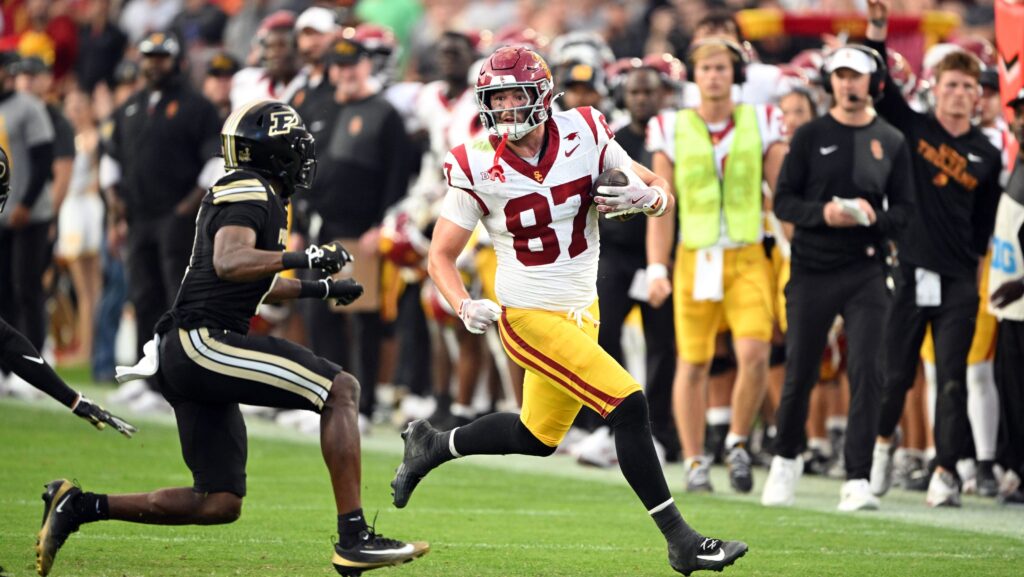
The tight end used to be described as a hybrid between an offensive lineman and a receiver. That description is still accurate, but it no longer captures the full strategic value of the position. In modern NFL offenses, a tight end can line up attached to the tackle, in the slot, outside like a wide receiver, in the backfield as an H-back or in motion across the formation. When an offense has two or three tight ends who can perform several of those jobs, the entire formation can change without a substitution.
That flexibility is especially valuable in 2026 because defenses are built to handle spread passing. Many units spend most of the game in nickel personnel with five defensive backs and use two-high safety structures to limit explosive throws. Multiple tight ends give the offense a way to get bigger without becoming predictable. If the defense stays small, the offense can run. If it adds linebackers, the tight ends can become receiving matchups.
This guide explains why 12 and 13 personnel are expanding, what coaches ask modern tight ends to do, how the position supports play action and protection, and why the trend affects roster construction on both sides of the ball.
The Modern Tight End Has Several Jobs
A complete tight end may be asked to perform several distinct tasks during one drive:
• Block an edge defender on an outside run.
• Combo with an offensive tackle and climb to a linebacker.
• Motion across the formation as a lead blocker.
• Chip an edge rusher and release into a route.
• Run a seam route against a linebacker.
• Align in the slot and execute an option route.
• Pass protect in a maximum-protection concept.
• Sell run action before releasing on a play-action pass.
The player does not need to be elite at every task, but the more credible jobs he can perform, the less information the offense gives the defense before the snap.
Why 12 Personnel Is So Valuable
Twelve personnel can shift between heavy and spread looks with the same players.
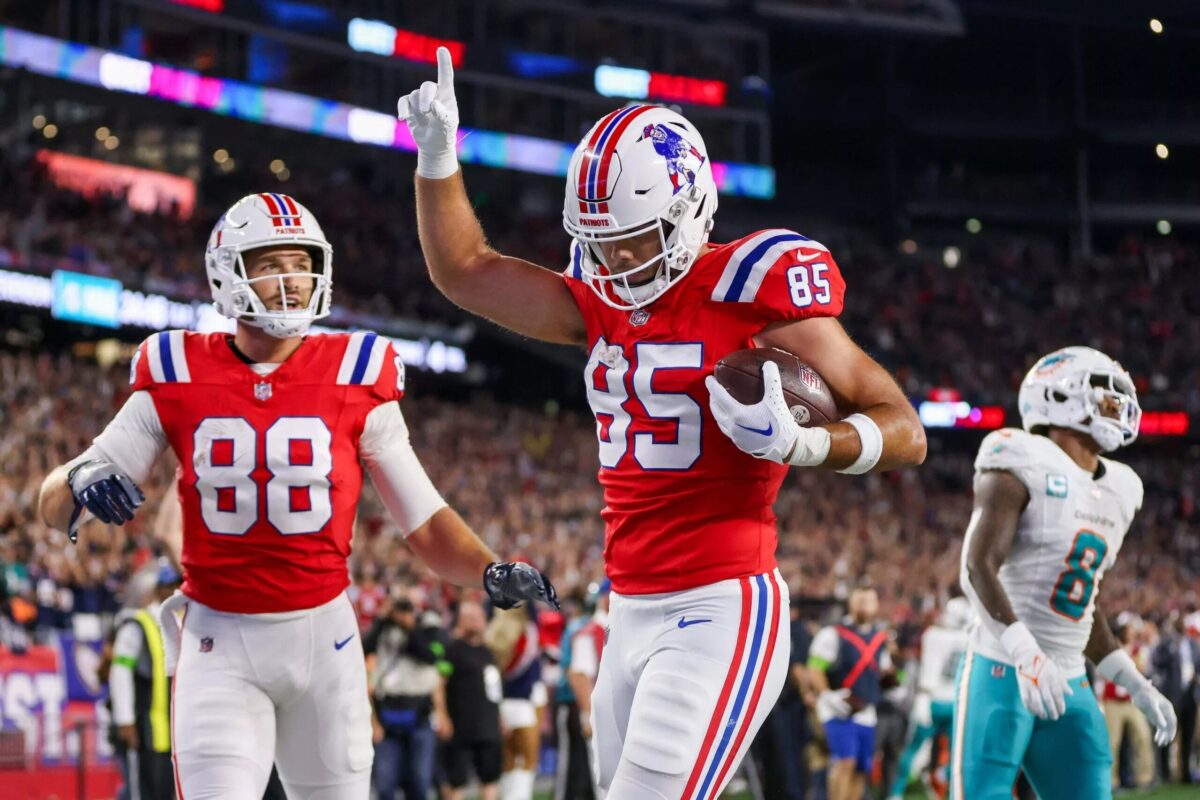
Twelve personnel means one running back, two tight ends and two wide receivers. It is one of the most flexible groupings in football because the offense can present a strong running surface while retaining four legitimate pass catchers plus the back.
From the same personnel, a team can line up in:
• A traditional two-tight-end formation.
• A three-by-one spread set.
• A bunch formation.
• An empty backfield after motioning the running back.
• A condensed formation with both receivers near the core.
The defense must choose personnel before it knows the final alignment. That is the strategic advantage.
Our 2026 heavy-personnel guide explains the larger trend and why 12 and 13 personnel became more prominent after the 2025 season.
Why 13 Personnel Is Becoming More Creative
Thirteen personnel can create strong run surfaces and deceptive play-action opportunities.
Thirteen personnel—one back, three tight ends and one receiver—looks like a short-yardage package. Modern offenses use that expectation against the defense. If a coordinator responds with extra linebackers and a heavy front, the offense can release multiple tight ends into routes. If the defense stays in nickel, the offense gains size in the run game.
The most dangerous 13-personnel packages include at least one tight end who can align as a receiver. That allows the offense to spread the field after the defense has committed to heavier personnel.
Multi-TE Sets and the Heavy-Personnel Trend
NFL Next Gen Stats documented a significant rise in heavier offensive sub-packages during the 2025 season. The league's analysis noted that teams increasingly used multiple tight ends, fullbacks and extra offensive linemen to challenge defenses built around lighter nickel personnel. See NFL Next Gen Stats' heavy-personnel trend analysis.
The point is not that every offense is becoming the same. Teams with different personnel will use different percentages. The broader lesson is that the NFL's tactical pendulum has created renewed value for players who can make a large formation behave like a spread formation.
Tight Ends Against Two-High Coverage
Tight ends can stress the space between linebackers and safeties.
Two-high safety defenses are designed to reduce explosive passes, but they can create space underneath and in the seams. Tight ends are useful because they can work between linebackers and safeties, forcing defenders to pass routes cleanly.
A tight end can attack:
• The seam between underneath and deep coverage.
• The middle against split safeties.
• The flat after play action.
• Crossing routes behind linebackers.
• Option routes against leverage.
If the defense uses a linebacker in coverage, the offense may gain a speed advantage. If it uses a defensive back, the offense may gain a blocking advantage on the next run.
A wide receiver can motion, but a tight end often changes the run structure when he moves. Shifting a tight end from one side of the formation to the other changes the number of gaps the defense must fit. Motioning him into the backfield can create a lead blocker. Splitting him into the slot can remove a linebacker from the box.
This is why tight-end motion is more than window dressing. It changes both coverage and run responsibilities.
The H-back role gives offenses a movable blocker and receiving option.
An H-back usually aligns off the line of scrimmage rather than as a traditional attached tight end. From that position, he can move across the formation, lead through a gap, block the backside edge or release into the passing game.
The H-back role is especially useful for offenses that want the benefits of a fullback without carrying a traditional fullback on every snap. A versatile tight end can perform both jobs.
Tight Ends in the Run Game
Blocking remains a central part of the position. A tight end does not need to dominate a defensive end one-on-one on every play, but he must execute leverage and assignment.
Edge blocking
On outside runs, the tight end may need to seal, widen or influence an edge defender. Losing the edge can force the back to cut before the play develops.
Combination blocks
The tight end can work with a tackle on a defensive lineman before one blocker climbs to a linebacker. Timing is critical because leaving the double team too early can free the lineman.
Split-flow blocking
A tight end or H-back can cross the formation after the snap to block a backside defender. The same movement can later become a play-action route.
A chip-and-release can support pass protection while preserving a receiving option.
One of the most valuable hybrid assignments is the chip-and-release. The tight end briefly contacts an edge rusher, helping the offensive tackle, then continues into the route.
The technique buys time without completely sacrificing a receiving option. It has become increasingly relevant as elite edge rushers force offenses to provide help.
Play Action: Where Blocking Reputation Becomes a Weapon
The more credible a tight end is as a blocker, the more believable his run action becomes. On play action, he can step toward a defender as if blocking, delay for a moment and then release into space.
Linebackers and safeties must respect the run. Even a short hesitation can open a crossing route or flat route. The tight end's blocking job therefore creates receiving value indirectly.
Why Tight Ends Can Create Personnel Mismatches
The defense must decide who covers the tight end.
Linebacker matchup
The offense may gain an advantage in speed or route-running.
Safety matchup
The coverage improves, but the defense may become lighter against the run.
Cornerback matchup
The defense may handle the receiver skill set but concede size at the catch point and in blocking.
The best tight ends force the defense to choose which disadvantage it prefers.
Why Multi-TE Offenses Need Depth, Not Just One Star
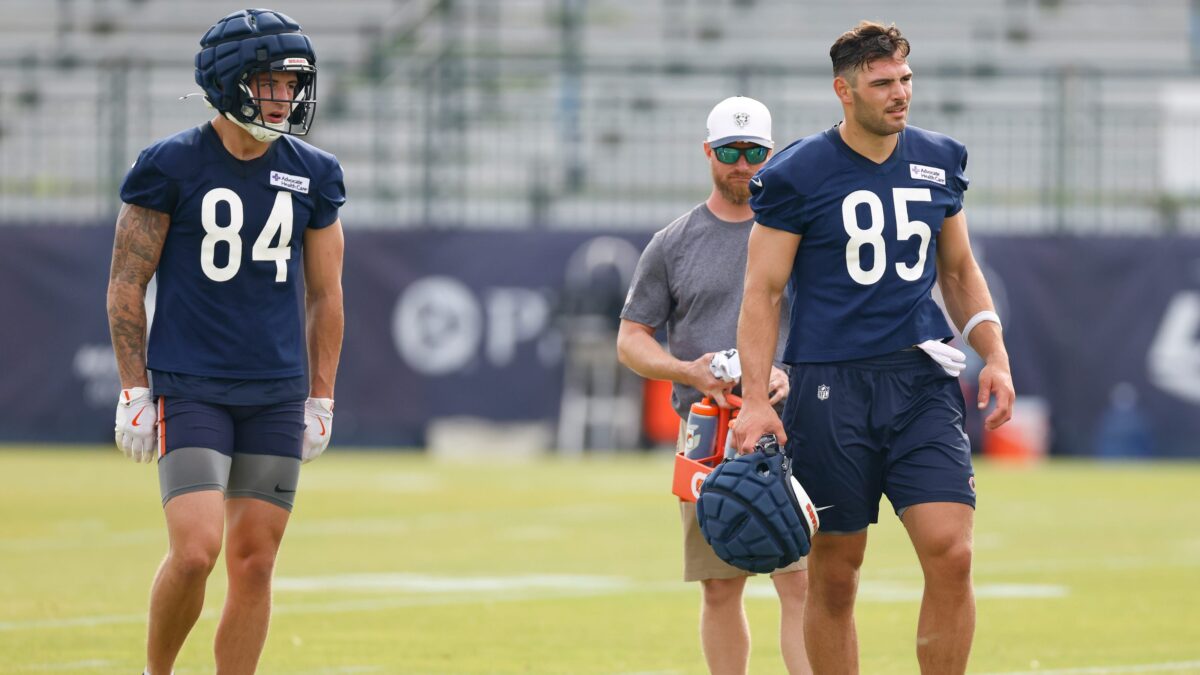
A team cannot build a large part of its offense around 12 personnel if only one tight end is trustworthy. The second and third players must be able to execute enough of the offense to prevent obvious tendencies.
That affects roster construction. Teams may value:
• A receiving-oriented tight end.
• A reliable inline blocker.
• An H-back/fullback hybrid.
• A developmental athlete who contributes on special teams.
The room works as a group, not merely as one fantasy-football star.
How Defenses Counter Multiple Tight Ends
Defenses can respond with base personnel, big nickel or hybrid safeties. Each answer carries a tradeoff.
• Base defense: More size against the run, potentially weaker coverage.
• Traditional nickel: More speed, potentially vulnerable to bigger blockers.
• Big nickel: A third safety attempts to balance size and coverage.
• Five-man front: Covers gaps and challenges the run surface.
The growth of the hybrid nickel defender is partly an answer to tight ends who refuse to fit one defensive matchup category.
Tight End vs. Wide Receiver: Route Differences
Tight ends run many of the same route families as wide receivers, but their starting alignment changes the geometry. An attached tight end can release into the seam immediately. An H-back can cross behind the line before entering a route. A slot tight end can run receiver-like option routes against a linebacker.
The offense can therefore create the same passing concept from different bodies and formations.
How Analytics Changes Tight End Evaluation
Raw receptions and yards are useful, but modern evaluation can add:
• Route participation.
• Targets per route.
• Yards after catch.
• Alignment distribution.
• Blocking assignment and success.
• Production against different coverage structures.
Tracking and advanced metrics provide context for how a tight end is being used. Our Next Gen Stats guide explains the broader data environment.
What Fans Should Watch in 2026
1. Count how many tight ends are on the field.
2. Note whether they are attached, in the slot or in the backfield.
3. Watch pre-snap motion and shifts.
4. See whether the defense responds with linebackers or defensive backs.
5. Track whether the offense passes when the defense gets heavier.
#6Look for chip-and-release routes on obvious passing downs.
The most revealing detail is often not who catches the pass but how the tight end forced the defense to align before the snap.
Frequently Asked Questions
What is 12 personnel?
One running back, two tight ends and two wide receivers.
What is 13 personnel?
One running back, three tight ends and one wide receiver.
Why do teams use two tight ends instead of three receivers?
Two tight ends can create a stronger run surface while still supporting a sophisticated passing game, especially when both players can run routes.
Is blocking still important for modern tight ends?
Yes. Blocking credibility is part of what makes the position strategically valuable. A tight end who can block and receive prevents the defense from predicting the play based on his presence.
Why is tight end considered difficult for rookies?
The position requires learning run-blocking rules, pass protection, route concepts, motion and coverage recognition. The assignment load can be broader than at many other skill positions.
Conclusion
The expansion of multi-tight-end offense is one of the clearest examples of the NFL's tactical cycle. Defenses became lighter and faster to handle spread passing, so offenses responded by finding bigger players who could still function in space.
In 2026, a modern tight end is not simply an extra blocker or a large receiver. He is a formation-changing player. When two or three capable tight ends share the field, the offense can run power football, spread the defense, protect the quarterback and create play-action matchups without substituting. That flexibility is why the position is becoming more important—not less—as the NFL continues to modernize.