NFL 53-Man Roster and Practice Squad Rules in 2026: Cuts, Elevations, PUP and Game-Day Actives
RedZoneHQ Staff · Sep 8, 2026
NFL 53-Man Roster and Practice Squad Rules in 2026: Cuts, Elevations, PUP and Game-Day Actives Every August, hundreds of NFL players are fighting for jobs that are defined by a surprisingly detailed roster system. Fans o…
NFL 53-Man Roster and Practice Squad Rules in 2026: Cuts, Elevations, PUP and Game-Day Actives
Every August, hundreds of NFL players are fighting for jobs that are defined by a surprisingly detailed roster system. Fans often hear simple phrases such as “53-man roster,” “practice squad,” “elevated for Sunday” or “placed on PUP,” but each term has a specific role in how teams build and manage their season.
In 2026, the basic structure remains centered on a 53-player active/inactive roster, game-day active limits, a 16-player practice squad with an International Player Pathway exception, and several reserve lists that allow teams to handle injuries. The details matter because a team can have more than 53 players under organizational control while still being limited in who is eligible to play on game day.
NFL Football Operations explains current roster sizes and practice-squad rules in its contract and roster overview. The league’s 2026-27 important dates also lists the final roster reduction and other personnel deadlines.
What Is the 53-Man Roster?
The 53-man roster is the regular-season active/inactive list. These are the players on the club’s primary roster, but not all 53 necessarily dress for each game.
The word “active” can be confusing because the 53-player list includes players who may be declared inactive on game day. A better way to think about it is that the 53-man roster is the team’s main regular-season roster, while the game-day active list is the smaller group eligible to participate that day.
How Many Players Can Be Active on Game Day?
Under current rules, a team can have 48 players active for a game if it has at least eight offensive linemen whose primary positions are center, guard or tackle on the game-day list. If the team has fewer than eight such offensive linemen, the maximum drops to 47.
This rule encourages teams to dress enough offensive-line depth while providing one extra active spot.
Why Some Healthy Players Are Inactive
A player can be healthy and still be inactive because the coaching staff only has a limited number of game-day spots. The decision often depends on special teams, matchup and positional depth.
For example, a fourth running back may be inactive if he does not play on kicking units. A seventh wide receiver might sit if the team needs an extra defensive lineman against a run-heavy opponent.
The Practice Squad in 2026
Practice squads provide developmental depth and game-week emergency options.
The standard practice squad consists of 16 players. NFL Football Operations also notes that teams can carry a 17th practice-squad player when that player qualifies through the International Player Pathway program.
Practice-squad players train with the team, attend meetings and can be signed to the active roster. They provide developmental depth and help the club prepare during the week.
Practice-Squad Eligibility
Practice squads are no longer limited only to inexperienced players. Current rules allow a mixture of developmental players and veterans, subject to eligibility categories and limits.
That gives teams more flexibility. A club can keep a rookie who needs development, a young player with limited game experience and selected veterans who provide emergency depth.
What Is a Standard Elevation?
A standard elevation allows a team to move a practice-squad player onto the game-day roster temporarily without signing him permanently to the 53-man roster. The player can participate in the game and then return to the practice squad under the applicable rules.
This is extremely useful when a team has a short-term injury. Instead of releasing another player to create a permanent 53-man spot, the club can elevate a reserve for that week.
How Elevations Can Expand the Roster
NFL Football Operations notes that the 53-player roster can effectively become 54 or 55 for a game through standard practice-squad elevations. That does not mean the permanent roster limit has changed. It is a temporary game-week mechanism.
Why Special Teams Determines Practice-Squad Value
Special-teams versatility can determine which backup players earn game-day roles.
A backup who can play only one offensive or defensive role may be difficult to activate. A reserve who can cover kickoffs, block on punt return and serve as an emergency defensive back has more ways to justify a game-day spot.
That is especially important under the modern kickoff, where tackling, leverage and blocking skills can create significant field-position value. Our 2026 dynamic kickoff guide explains the new special-teams environment.
Final Roster Cuts
Final cuts trigger waiver claims, practice-squad signings and reserve-list moves across the league.
Before the regular season, teams must reduce from their larger training-camp rosters to the regular-season limit. The 2026 calendar places the final roster reduction on August 30.
That day creates a chain reaction across the league. Players are released, claimed on waivers, signed to practice squads and sometimes brought back after the team rearranges injured-reserve designations.
Waivers vs. Released Veterans
Not every player becomes a free agent immediately after being cut. Younger players can be subject to waivers, giving other teams a chance to claim the contract. More experienced vested veterans can become free agents under different rules.
This distinction affects roster strategy because a team may want to re-sign a player to the practice squad but cannot control whether another club claims him first.
What Is the PUP List?
PUP stands for Physically Unable to Perform. It is designed for players who are not medically ready to participate when the relevant roster period begins, subject to league rules.
The reserve/PUP list allows a team to carry an injured player without using a normal active roster spot during the required absence period. The player can later begin a practice window and potentially return.
2026 PUP Change
For 2026, the NFL approved a bylaw allowing players on Reserve/PUP to begin their 21-day practice period after the club’s second regular-season game. This is a meaningful roster-management change because it can create an earlier path back to practice for eligible players. The approved bylaw is included in NFL.com’s 2026 rules and bylaws summary.
The 21-Day Practice Window
The return-to-practice window helps teams evaluate football readiness before activation.
When an eligible reserve player is designated to return, the team can open a practice window. During that period, the player can practice while the club decides whether he is ready to return to the active roster.
This gives coaches and medical staff time to evaluate football conditioning rather than forcing an immediate return after medical clearance.
Injured Reserve
Injured reserve is another mechanism for players who are unavailable because of injury. Modern NFL rules allow selected players to return from injured reserve after meeting the applicable requirements, unlike older eras when IR often automatically meant the season was over.
The exact designation rules matter because teams have limits and deadlines. Clubs often plan final cuts around which injured players can be placed on reserve and later activated.
Why Roster Rules Affect the Final Cut
The 53rd player is rarely chosen only by talent ranking. Coaches ask:
• Can he play special teams?
• Can he cover more than one position?
• Would another team claim him on waivers?
• Does the club already have enough depth at his position?
• Is a player returning from PUP or IR soon?
• Can a similar player be retained on the practice squad?
This is why a versatile backup can beat out a more specialized player.
Offensive-Line Depth and the 48th Active Player
Game-day roster rules reward clubs that dress enough offensive-line depth.
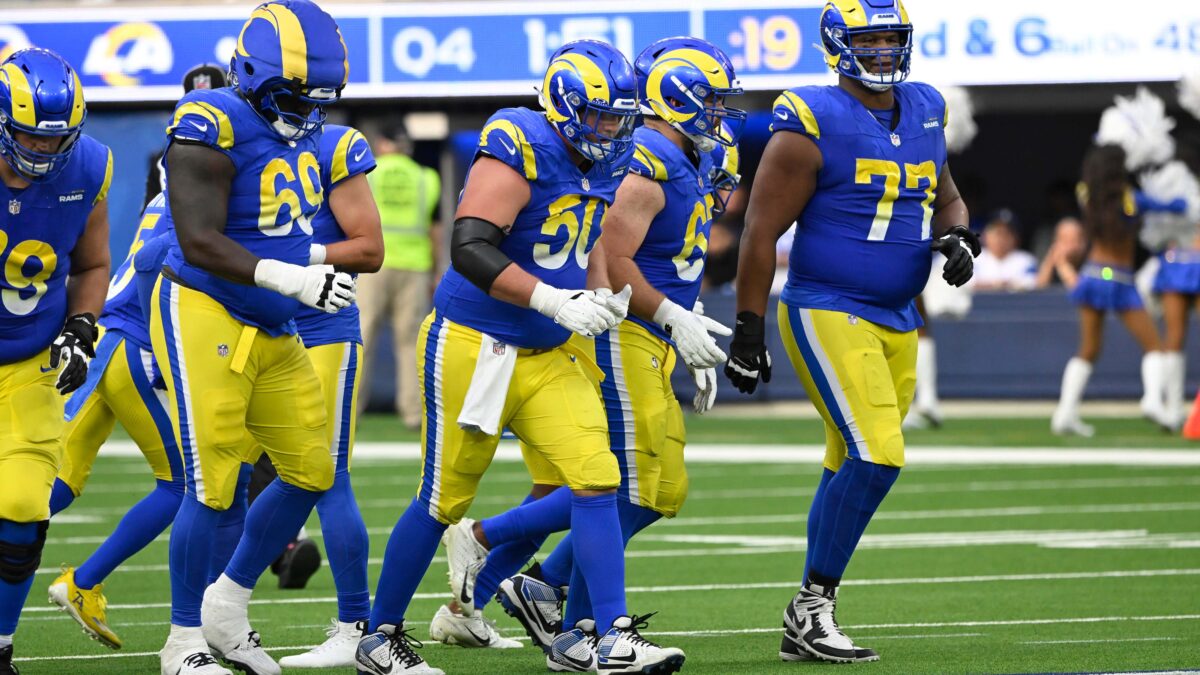
The game-day active rule creates direct value for carrying offensive linemen. Teams need enough bodies to protect the quarterback and maintain the run game, but the eighth lineman also helps unlock the 48-player game-day maximum.
That can influence how a team structures the bottom of the roster.
Emergency Quarterback Planning
Quarterback depth creates another weekly roster question. Teams must decide how many quarterbacks to keep on the 53, who can be active on game day and whether a practice-squad quarterback provides enough emergency protection.
The answer depends on the starter’s health, offensive system and how comfortable the staff is with a backup who may receive limited practice reps.
The Value of Position Flexibility
Roster limits reward players who can perform multiple legitimate jobs.
• A guard who can also play center.
• A tackle who can play either side.
• A safety who can play nickel.
• A linebacker who contributes on every kicking unit.
• A tight end who can block, receive and play H-back.
The practice squad is not simply a waiting room for emergencies. Teams use it to develop players who need strength, technique or system knowledge. A rookie offensive lineman may spend weeks learning protection rules. A young receiver can practice multiple positions before earning game-day trust.
Development matters because inexpensive homegrown depth helps the salary cap. A player promoted from the practice squad may provide value that would otherwise require a more expensive free-agent signing.
Practice Squad as a Weekly Scouting Tool
Practice-squad players often simulate the opponent’s style during scout-team periods. A mobile quarterback can imitate an upcoming running quarterback. A fast receiver can reproduce a specific route threat. This work helps starters prepare even if the practice-squad player never enters the game.
International Games and Roster Timing
The 2026 schedule includes a Week 1 game in Australia, creating unusual travel around the final roster-reduction period. The NFL approved a bylaw allowing the league office to adjust roster-reduction procedures and deadlines to accommodate that international opener.
53-Man Roster vs. Practice Squad vs. Game-Day Active
Group
Typical 2026 size
Main purpose
Active/inactive roster
53
Main regular-season roster
Game-day active list
47 or 48
Players eligible to participate that day
Practice squad
16, with IPP exception for 17th
Development and emergency depth
Standard elevations
Up to two in a week under applicable rules
Temporary game-day depth
Roster-Building Checklist
1. Start with the best 22 starters.
2. Protect quarterback and offensive-line depth.
3. Carry enough defensive backs for sub packages.
4. Identify core special-teamers.
5. Prioritize backups who can play multiple roles.
6. Plan around injured players and return timelines.
7. Consider waiver risk before cutting young talent.
8. Use the practice squad to maintain emergency depth.
Common Roster Misconceptions
“All 53 players dress on Sunday.”
No. The game-day active list is smaller than the 53-man roster.
“Practice-squad players are not really on the team.”
They are part of the organization, practice with the club and can be elevated or signed to the active roster.
“PUP means the season is over.”
No. Eligible players can return after satisfying the applicable reserve and practice-window rules.
“The 53rd player is always the 53rd-best player.”
No. Special teams, position depth, versatility, injuries and waiver risk all influence the final spots.
Frequently Asked Questions
How many players are on an NFL practice squad in 2026?
The standard practice squad has 16 players, with an additional spot available in the International Player Pathway context under current rules.
How many players can dress on game day?
Teams can dress 48 if they meet the offensive-line requirement; otherwise the maximum is 47.
Can a practice-squad player play in a game?
Yes. A player can be signed to the active roster or temporarily elevated under the applicable rules.
What changed with PUP in 2026?
The league approved a bylaw allowing Reserve/PUP players to begin a 21-day practice period after the team’s second regular-season game.
Conclusion
The NFL roster is a layered system rather than a simple list of 53 names. The main roster, game-day actives, practice squad and reserve lists work together to help teams manage injuries, development and weekly matchups.
Understanding those layers makes August cuts and in-season transactions much easier to follow. A player released on Sunday may return to the practice squad on Tuesday. A practice-squad reserve may be elevated on Saturday. A player on PUP may begin practicing after Week 2 under the 2026 change. Every transaction is part of the same problem: maintaining enough talent and flexibility to survive a 17-game regular season without wasting roster spots.