NFL Dynamic Kickoff Strategy in 2026: Rules, Return Lanes and What Fans Should Watch
RedZoneHQ Staff · Sep 8, 2026
NFL Dynamic Kickoff Strategy in 2026: Rules, Return Lanes and What Fans Should Watch The NFL kickoff looks dramatically different from the high-speed play many fans grew up watching. The league redesigned the kickoff to …
NFL Dynamic Kickoff Strategy in 2026: Rules, Return Lanes and What Fans Should Watch
The NFL kickoff looks dramatically different from the high-speed play many fans grew up watching. The league redesigned the kickoff to reduce long-distance collisions while encouraging more returns, and the new structure has created a fresh tactical problem for special-teams coaches. By 2026, the dynamic kickoff is no longer a novelty. It is a permanent part of the rulebook and a specialized play with its own blocking angles, coverage responsibilities, return schemes and decision points.
Because most players begin much closer together than they did under the traditional kickoff, the play develops more like a scrimmage down. Returners still need vision and acceleration, but the blocking picture resembles a coordinated running play more than a field-wide sprint. Coverage players must defeat blocks, maintain lane integrity and tackle in space without the same long runway.
This guide explains the structure of the current NFL kickoff, why the rule changed, how return strategy has evolved, what the touchback and onside-kick rules mean, and what fans should watch during the 2026 season. The official source for exact requirements is the 2026 NFL Rulebook.
Why the NFL Redesigned the Kickoff
The traditional kickoff created a unique collision environment. Coverage players could build significant speed over a long distance while blockers prepared for contact. The league wanted to reduce that space-and-speed combination while preserving the kickoff as a meaningful competitive play.
The dynamic kickoff moved most non-kicker players closer together and restricted when they can move. The goal was to make the play resemble a normal line-of-scrimmage football action, where contact begins from shorter distances and at lower relative speeds.
NFL Football Operations described the new format as a way to reduce space and speed while promoting more returns. The league later made the redesigned kickoff permanent and adjusted several details. See the official NFL featured-rules explanation for the league's overview.
The Basic Shape of the Dynamic Kickoff
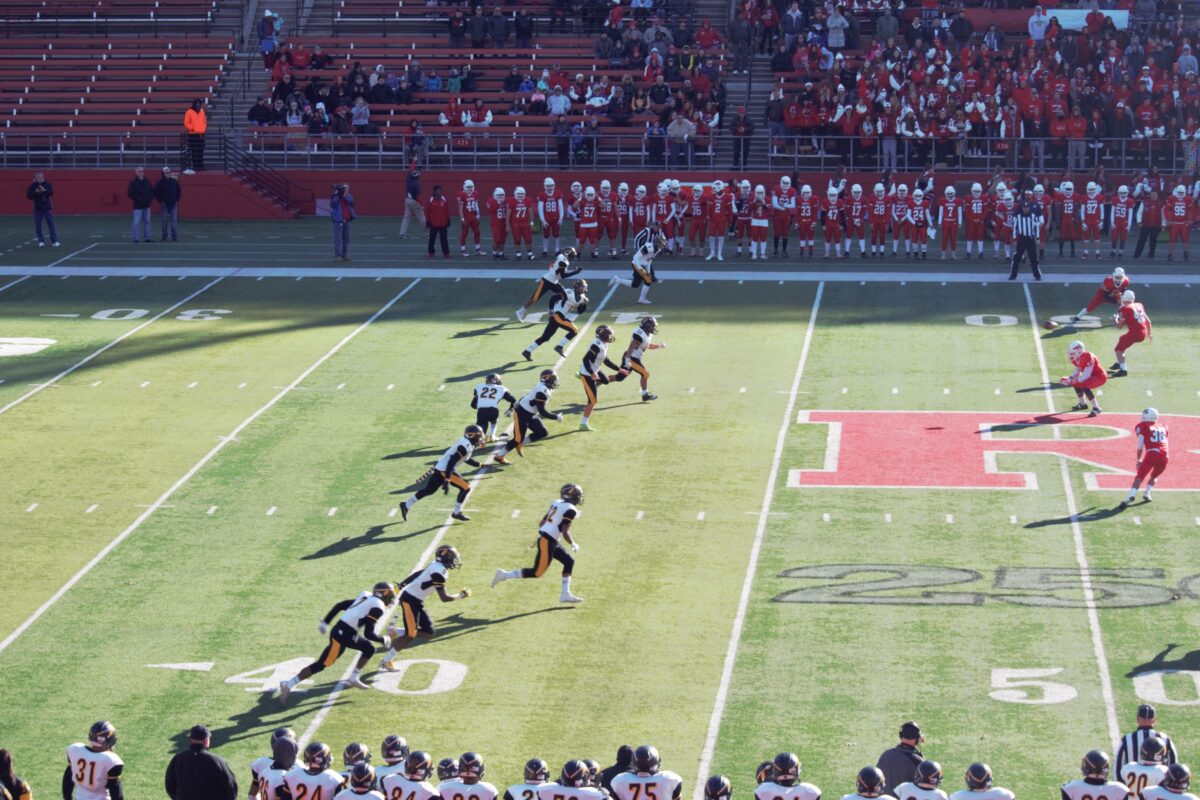
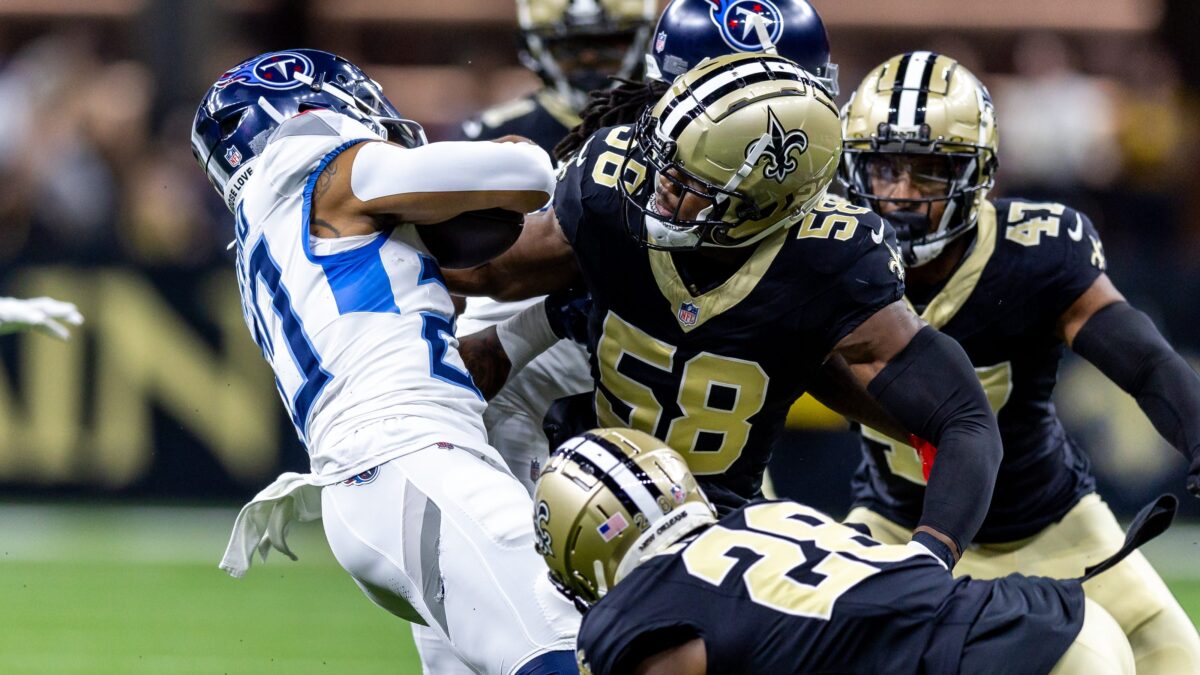
Dynamic kickoff alignments place most players much closer together than the traditional format.
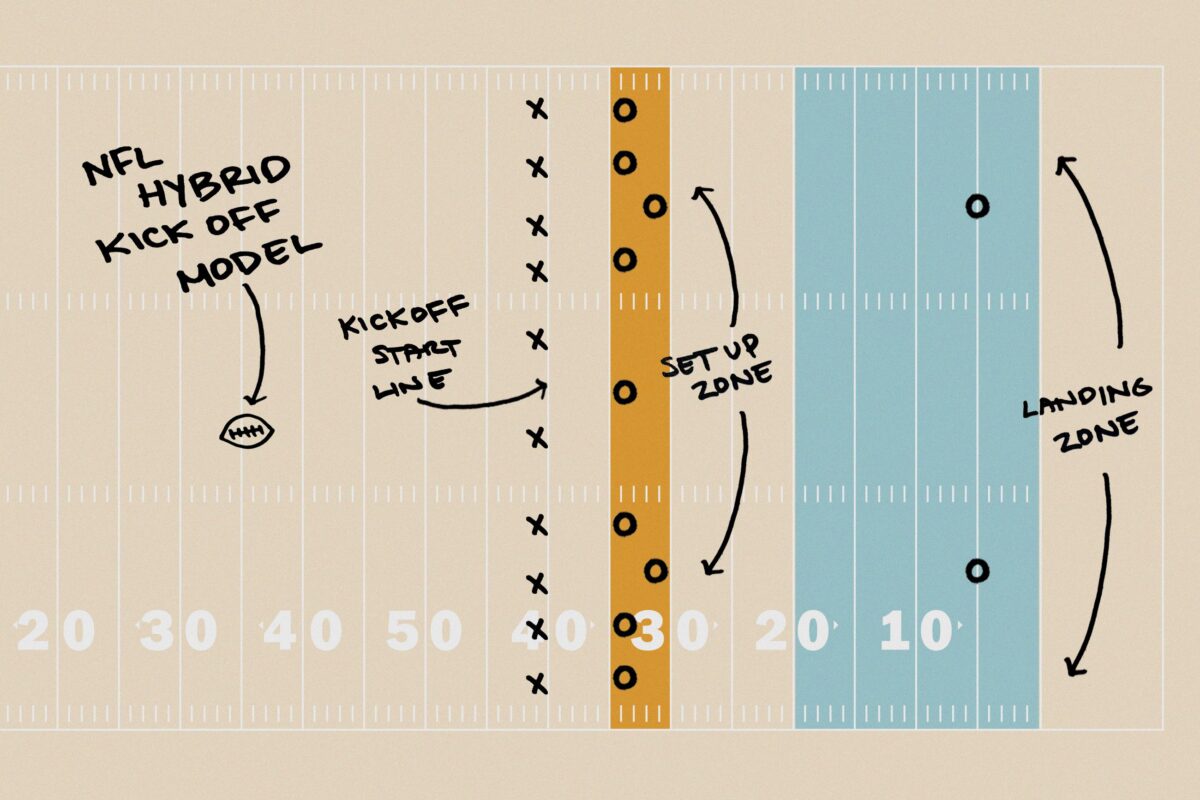
The easiest way to understand the play is to stop thinking of it as eleven coverage players sprinting from the kicking team's restraining line. Under the dynamic structure, the kicker is separated from most of his teammates while the coverage and blocking units align much farther downfield.
The receiving team places most of its blockers in a designated setup area while one or more returners are positioned deeper. The coverage players align near those blockers and are restricted from moving until the ball reaches the appropriate point or is touched as defined by the rule.
That creates a compressed action area. Once movement is permitted, coverage players and blockers engage quickly, and the returner reads a developing lane.
Why the New Kickoff Looks Like a Running Play
Dynamic kickoff blocking often resembles a designed rushing concept.
On the old kickoff, return schemes were heavily influenced by momentum and field-wide pursuit. On the dynamic kickoff, blockers and coverage players begin close enough that leverage becomes more important immediately.
Return units can design concepts that resemble offensive run schemes:
• Double-team one coverage player and climb to another.
• Use combination blocks to create a crease.
• Influence pursuit in one direction and cut back.
• Build inside, outside or split-flow returns.
• Use the returner's initial track to manipulate defenders.
The returner needs patience. Hitting the first visible gap too quickly can run directly into a coverage player who is still square to the ball. Waiting too long allows the coverage unit to compress space.
The Importance of the Landing Zone
Kick placement matters because the rules treat different landing locations differently. The kicker is not simply trying to produce maximum distance. Hang time, direction and landing point can affect the return setup and the receiving team's field position.
A well-placed kick can force the returner to move laterally before getting vertical. It can also allow the coverage unit to anticipate which side of the field is likely to become the return point.
That introduces a strategic tradeoff: kicking deeper may reduce the chance of a dangerous return but can trigger touchback consequences, while a shorter controlled kick can create a live return with the coverage unit prepared for it.
How the Touchback Changes Decision-Making
The NFL has used touchback placement as an incentive within the dynamic kickoff structure. Because the resulting field position can be more favorable to the receiving team than under older rules, the kicking team must decide how willing it is to concede a touchback.
This transforms the kickoff from a simple “kick it as far as possible” decision into a field-position calculation. A team with excellent coverage players may prefer to create returns and trust its tackling. Another team may prioritize minimizing explosive plays.
Fans should always check the current season's rulebook for the exact touchback spot because the league has adjusted the details during the evolution of the dynamic kickoff.
Return-Lane Discipline
A return lane is not a fixed tunnel that exists before the snap. It is created by blocks and defender reactions. The returner reads leverage: which coverage player is sealed inside, which is forced outside and whether a cutback defender has lost position.
Inside returns
An inside concept tries to create vertical space quickly. The returner gets north-south and minimizes lateral movement. The advantage is speed toward the opponent's goal line; the risk is entering heavy traffic.
Outside returns
An outside concept attempts to reach the edge of the coverage unit. It requires blocks that prevent defenders from setting the boundary. The returner may have more open field if he clears the first wave, but the path can become longer.
Cutback returns
Some schemes intentionally influence the coverage unit one direction before the returner cuts behind the flow. These plays depend on defenders over-pursuing and backside blockers maintaining leverage.
Why Returners Need a Different Skill Mix
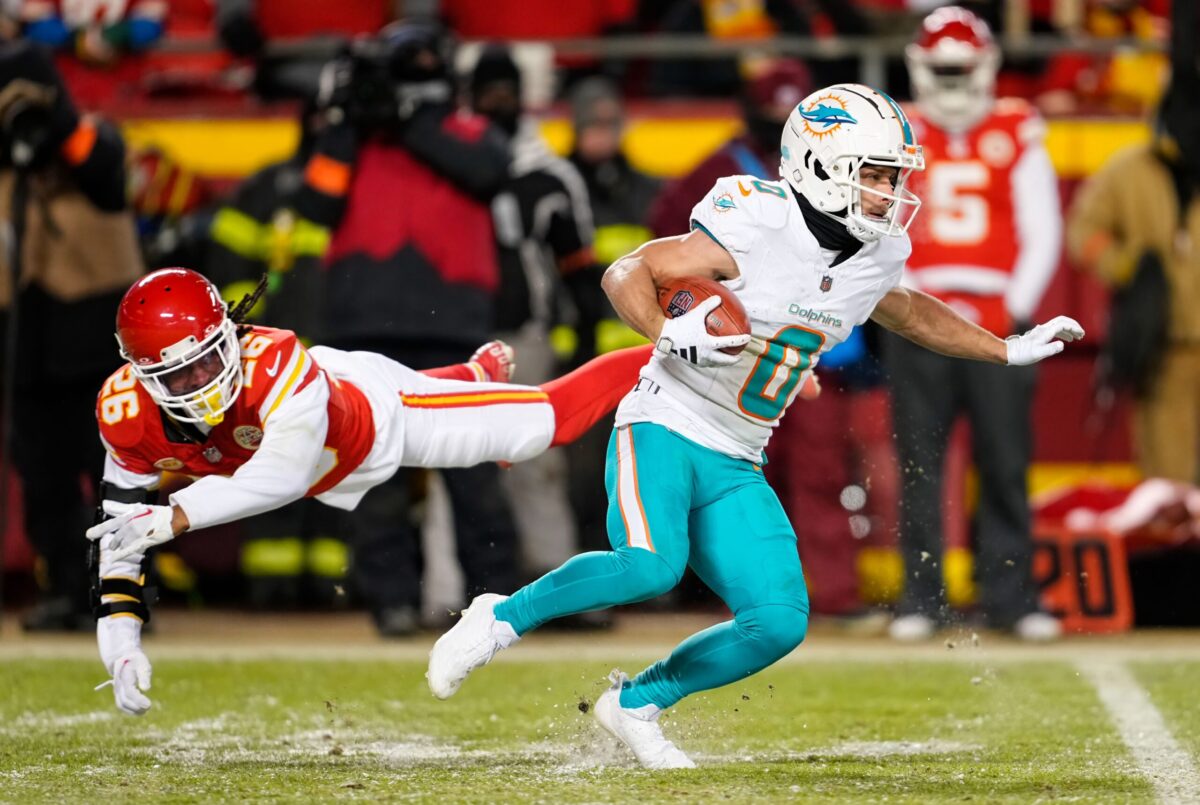
Vision, burst and decisive cuts are especially important in the modern return structure.
Top-end speed remains valuable, but the dynamic kickoff places more emphasis on running-back-like traits. The returner may need to process blocks in a tight area, make one decisive cut and accelerate through contact.
Useful traits include:
• Vision in traffic.
• Short-area burst.
• Contact balance.
• Decisive north-south acceleration.
• Ball security.
• Ability to anticipate developing blocks.
A player who was ideal for the old kickoff because of pure long-speed may not automatically be the best dynamic-kickoff returner.
What Coverage Players Must Do Differently
Coverage players must defeat blocks quickly and maintain leverage without a long runway.
Coverage players no longer rely on a long sprint to create momentum. They need to defeat a block quickly, maintain leverage and arrive under control.
Good coverage involves several connected responsibilities:
1. Identify the likely return direction.
2. Attack the correct shoulder of the blocker.
3. Keep the ball on the proper side of the leverage.
4. Avoid opening an unnecessary cutback lane.
5. Close space without overrunning the returner.
#6Tackle securely in the open field.
One player abandoning his lane can create an explosive return even if the other ten coverage players execute correctly.
Blocking Technique and Legal Contact
Special-teams blocking is governed by the NFL's broader blocking rules as well as kickoff-specific requirements. Players must create leverage without committing prohibited blocks.
The condensed nature of the dynamic kickoff makes hand placement and body position especially important. A blocker who loses inside leverage may be tempted to grab or turn a defender, creating holding risk. A legal block that merely steers a coverage player can be more valuable than a dramatic collision.
The Kicker Is Still a Tactical Player
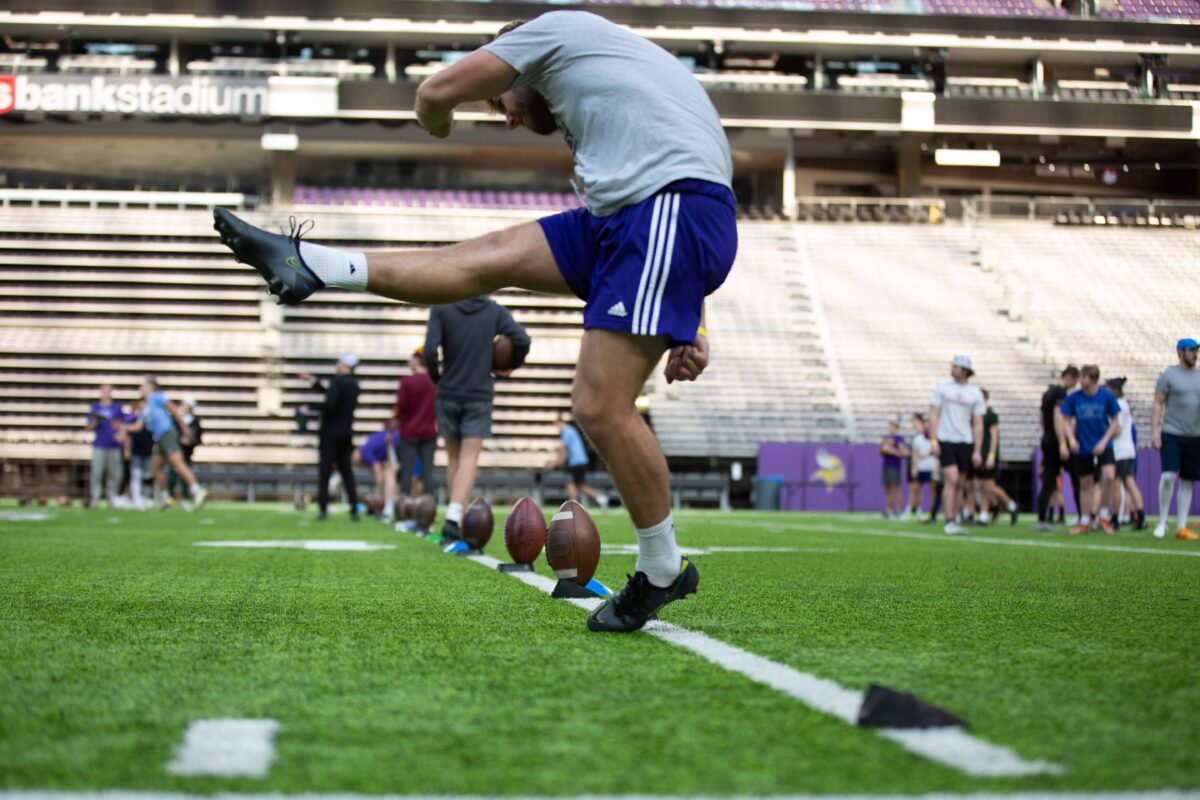
Kick placement can shape the return and help the coverage unit anticipate field position.
The kicker's job extends beyond putting the ball in play. Directional control can shape the return. A kick toward one side reduces the usable width of the field and can help coverage players understand where their support is located.
The kicker may also become the final defender on a return. While teams do not want their kicker making frequent tackles, his positioning can influence whether a returner has a clean path to the end zone.
How Onside Kicks Fit the Current Rules
The dynamic kickoff did not eliminate onside-kick situations, but the NFL has changed the circumstances and alignment requirements around declared onside attempts. Under the recent rule framework, a trailing team can declare an onside kick under the conditions specified by the league.
Declared onside kicks are different from normal dynamic kickoffs. Coaches therefore need separate late-game plans. The official rulebook should always be used for exact current requirements because onside-kick procedures are an area the league has continued to refine.
Field Position vs. Explosive-Play Risk
Every kickoff decision balances expected field position and the risk of a long return. A touchback produces a known result. A live return creates a wider distribution: the receiving team could be stopped short of the touchback spot or break into open field.
That means the correct strategy can depend on:
• Quality of the returner.
• Quality of the coverage unit.
• Score and time remaining.
• Weather and kicking conditions.
• Penalty risk.
• Opponent's offensive strength.
There is no universal answer that applies to every game.
The Safety Logic Behind the Rule
When the dynamic format was introduced, NFL Football Operations reported early reductions in player speeds and a lower injury rate on kickoff returns during the preseason compared with the prior structure. The league has continued studying the play as it evolves. An official overview of the safety context is available in NFL Football Operations' player-safety update.
Safety data should be interpreted over meaningful samples, but the design principle is clear: reduce long-run collision speed while keeping the kickoff competitive.
How the Dynamic Kickoff Affects Roster Construction
Special teams often determine the final few roster spots. A new kickoff structure can change which body types and skill sets are most useful.
Teams may value blockers who can move like tight ends, coverage players who can defeat blocks like linebackers and returners who process lanes like running backs. The play rewards hybrid skills—an increasingly common theme throughout modern football.
What to Watch During a 2026 Kickoff
Instead of watching only the ball, use this six-step viewing checklist:
1. Notice the kick's direction and landing point.
2. Identify the returner's initial path.
3. Watch the first two blocking combinations.
4. Find the unblocked or force defender near the intended lane.
5. See whether the returner makes one decisive vertical cut.
#6Check whether a penalty occurs away from the ball.
After a few games, the kickoff begins to look less random and more like a designed rushing play.
Dynamic Kickoff vs. Traditional Kickoff
Feature
Traditional format
Dynamic format
Initial separation
Large
Much smaller for most players
Coverage momentum
Long sprint
Shorter acceleration
Blocking feel
Open-field special teams
More like a scrimmage play
Returner skill emphasis
Speed plus vision
Vision, burst and lane processing
Strategic kick placement
Important
Central to the play design
Frequently Asked Questions
Is the dynamic kickoff still used in 2026?
Yes. The redesigned kickoff was made permanent in the NFL rule framework, with subsequent adjustments incorporated into current rules.
Why are most players standing so close together?
The alignment is intended to reduce the distance over which players build speed before contact and to make the play resemble a standard football down.
Can a team still kick an onside kick?
Yes, but declared onside attempts follow specific current rules and are not simply ordinary dynamic kickoffs.
Why not kick a touchback every time?
A touchback provides predictable field position, but a successful coverage play may stop the returner shorter. Teams balance that potential advantage against the risk of an explosive return.
Conclusion
The dynamic kickoff has turned a familiar football moment into a new strategic phase. The play still begins with a kick and ends with a return or touchback, but everything in between has changed: spacing, leverage, blocking, coverage angles and the type of returner who may be most valuable.
For fans in 2026, the best way to understand the play is to watch it like a rushing concept. Find the planned lane, identify the key blocks and see how the coverage unit maintains leverage. What once looked like eleven players sprinting into chaos is now a tightly organized battle for a small amount of space—and small differences in that space can determine where an NFL drive begins.