NFL Salary Cap 2026 Explained: How $301.2 Million Changes Roster Building, Extensions and Depth
RedZoneHQ Staff · Aug 24, 2026
NFL Salary Cap 2026 Explained: How $301.2 Million Changes Roster Building, Extensions and Depth The NFL salary cap crossed an important threshold in 2026. The league set the cap at $301.2 million per club, the first time…
NFL Salary Cap 2026 Explained: How $301.2 Million Changes Roster Building, Extensions and Depth
The NFL salary cap crossed an important threshold in 2026. The league set the cap at $301.2 million per club, the first time the figure has moved above $300 million. That is a major increase from $279.2 million in 2025 and a reminder that roster building is not simply about finding good players. Teams must fit a complete 53-man roster, practice squad, injury replacements and future commitments inside a financial system that rewards planning.
A rising salary cap creates opportunity, but it does not make every team rich in the same way. Clubs that already pushed money into future years may still face constraints. Teams with quarterbacks on rookie contracts may have unusual flexibility. Teams with several star extensions may have enough total cap space but little room to add depth without restructuring deals.
NFL Football Operations lists the official 2026 salary cap at $301.2 million and tracks the cap’s historical growth. See the league’s official NFL salary-cap page.
What Is the NFL Salary Cap?
The salary cap is the maximum amount of salary-cap accounting a team can carry for player contracts under league rules for a season. It is part of the NFL’s collective bargaining structure and is tied to league revenue.
The key phrase is “salary-cap accounting.” A player may receive cash in one year while the cap charge is spread differently across multiple years. This is why a contract’s total value, guaranteed money and annual cap hit can tell different stories.
Why $301.2 Million Does Not Mean $301.2 Million in Cash Spending
Cash paid and salary-cap accounting can be distributed differently across a contract.
The salary cap is an accounting limit, not a simple team payroll number. Signing bonuses can be paid immediately but prorated for cap purposes. Incentives can count differently depending on whether they are considered likely to be earned. Minimum-salary rules, workout bonuses and option bonuses add more complexity.
A club can therefore spend more cash in a season than its cap figure suggests while moving part of the accounting into future years.
Signing Bonus Proration
Suppose a player signs a five-year contract with a $25 million signing bonus. For a simplified example, the team may account for that bonus as $5 million per year across five seasons. The player receives the bonus according to the contract, but the cap charge is distributed.
This mechanism gives teams flexibility, but it creates future obligations. If the player leaves the roster early, remaining bonus proration can accelerate into dead money.
What Is Dead Money?
Dead money is salary-cap space charged to players who are no longer on the active roster. It usually comes from previously paid bonuses or guarantees that still must be accounted for.
Dead money is not automatically bad management. Teams sometimes accept a short-term cap charge to move on from a declining contract. The problem comes when too much future flexibility has already been spent and the club cannot replace departing players effectively.
Why the Rising Cap Changes Contract Negotiations
Players and agents understand that the cap is growing. A contract that looked enormous three years ago may represent a smaller percentage of the cap in 2026. This is why average annual value must be considered alongside cap percentage.
A $30 million annual contract against a $200 million cap is 15 percent. The same $30 million against a $300 million cap is 10 percent. Teams often negotiate with future cap growth in mind.
Quarterback Contracts and Team Building
Quarterback contracts can consume a major share of cap resources and reshape team depth.
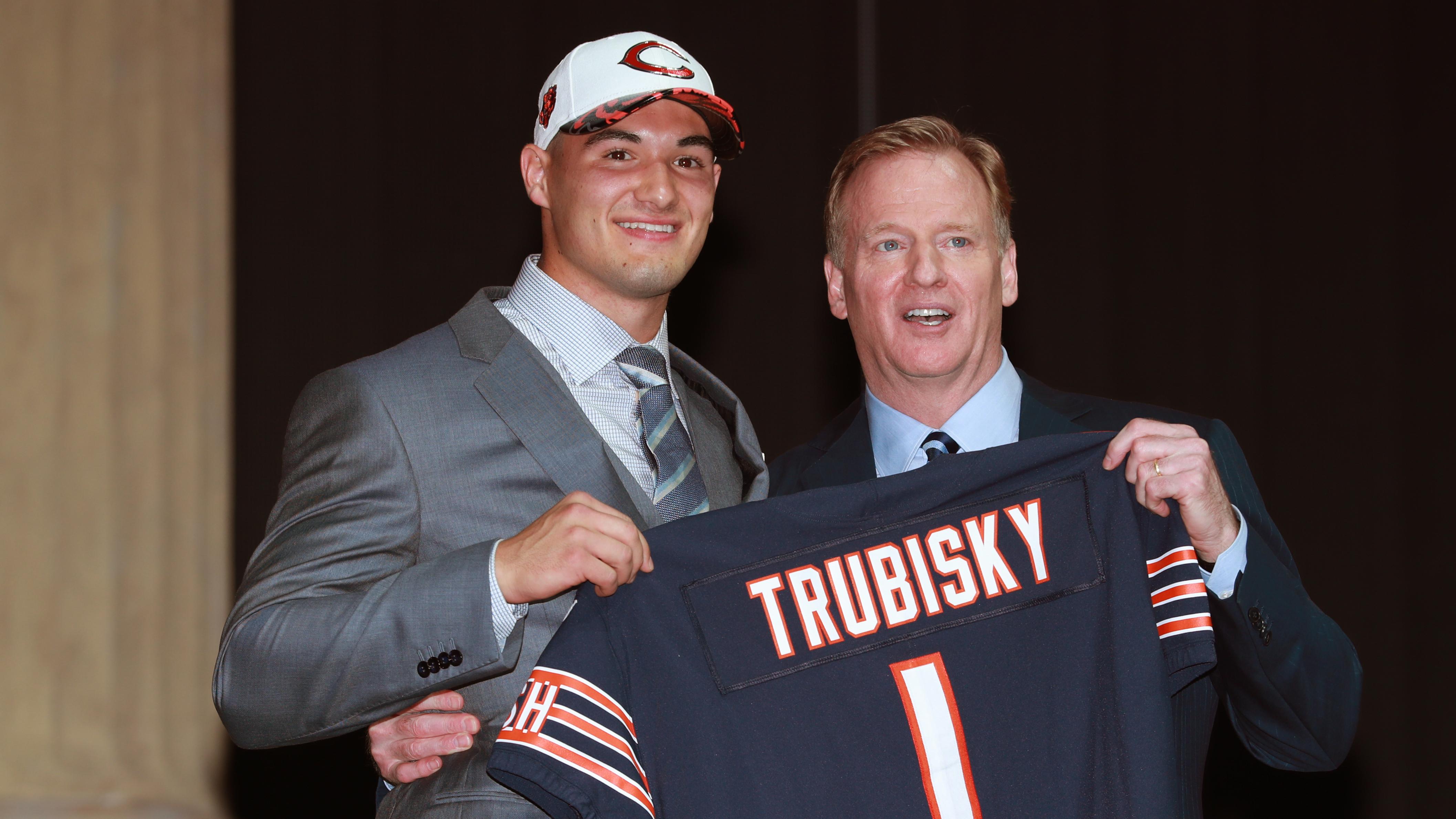
Quarterbacks receive the largest contracts because the position has the greatest influence on offense. The challenge is building a complete roster around that commitment. Once a veteran quarterback consumes a major share of the cap, the team must find inexpensive starters through the draft and avoid overpaying at too many other positions.
This is why rookie-quarterback windows receive so much attention. A productive quarterback on a controlled rookie contract can leave substantial cap space for receivers, pass rushers, offensive linemen and defensive backs.
Rookie Contracts as a Competitive Advantage
Productive players on rookie contracts can provide major value relative to their cap charge.
The NFL draft is not only a talent-acquisition system. It is also a financial tool. High-level players on rookie contracts can produce far more value than their cap charge.
A successful draft class can give a team:
• Low-cost starters.
• Depth at expensive positions.
• Special-teams contributors.
• Flexibility to extend established stars.
• Less dependence on expensive free agents.
Our NFL Draft guide explains how draft order, rounds and rookie entry work.
Why Premium Positions Cost More
Teams generally pay more for positions that directly affect passing efficiency: quarterback, edge rusher, offensive tackle, wide receiver and cornerback. In 2026, interior defensive line is also becoming increasingly expensive because elite tackles can disrupt the quarterback and stop the run.
That positional inflation creates tradeoffs. A team cannot pay market-setting contracts at every spot. It must decide where elite talent creates the most value for its scheme.
A restructure often converts salary into bonus so the team can spread part of the cap charge into future seasons. This can create immediate cap space without changing the player’s overall cash compensation dramatically.
Restructures are useful when a team has a competitive roster and needs short-term flexibility. But every dollar moved forward becomes a future obligation. Repeated restructuring can create a roster that looks affordable today and expensive tomorrow.
Void Years
Void years are contract years that are used for accounting purposes but are designed to automatically end before the player would actually play under them. They can spread bonus proration over additional seasons.
Void years are not free cap space. When the contract voids, remaining accounting charges can accelerate. They are best understood as borrowing from the future.
Why Cap Space in March Is Not the Whole Story
Fans often see a list of teams with the most cap space and assume those clubs can spend all of it immediately. General managers must reserve room for the draft class, in-season injuries, practice-squad elevations and emergency signings.
A team that uses every available dollar in free agency may struggle to replace injured players in October.
In-Season Cap Management
The regular season creates unexpected costs. Players go to injured reserve. Practice-squad players are elevated. Veterans are signed after injuries. A team may trade for a player whose contract adds to the cap.
Smart clubs maintain a buffer so they do not need a desperate restructure every time the roster changes.
Why Depth Matters Financially
Cap management must support backups and special-teamers, not only star contracts.
A roster is not simply 22 starters. Teams need backups at every position and specialized players for kicking units. Good depth prevents one injury from forcing an expensive midseason acquisition.
The value of a versatile reserve can therefore exceed his statistics. A lineman who plays guard and center, or a defensive back who plays nickel and safety, can cover multiple roster needs with one contract.
During the regular season, the active/inactive roster is generally 53 players, with limited game-day activation rules and practice-squad elevations. Every active contract matters to cap accounting, and injuries can create additional layers of cost.
That means the final roster cut is partly a football decision and partly a financial one. A veteran may be slightly better than a young player but carry a much larger cap charge or have less special-teams value.
Why Teams Extend Players Early
An early extension can reduce uncertainty for both sides. The player receives security, while the team may lock in a price before the market rises further.
The risk is projection. If the player declines or suffers repeated injuries, the team can be left with guarantees and dead money. If the player becomes a star, the early extension can look like a bargain.
Franchise Tag and Long-Term Planning
The franchise tag allows a team to retain certain rights to a player for one season under a salary formula established by league rules. It can provide time for negotiation but usually creates a significant one-year cap charge.
Teams must decide whether the short-term certainty is worth the cap impact or whether a long-term extension provides better flexibility.
Free Agency: Price vs. Fit
Free agency requires balancing talent, guarantees, age, scheme fit and future cap flexibility.
The highest-paid free agent is not automatically the best addition. Teams should evaluate:
• Age and injury history.
• Scheme fit.
• Position scarcity.
• Expected snap count.
• Contract guarantees.
• Future cap flexibility.
• Availability of cheaper draft alternatives.
NFL.com’s 2026 exercise in building a complete roster under the cap shows how quickly premium contracts can consume resources. See NFL.com’s 2026 salary-cap roster exercise.
Cap Percentage Is More Useful Than Raw Dollars
Because the cap grows over time, comparing contracts from different seasons using raw dollars can be misleading. Cap percentage shows how much of the team’s annual spending limit a player consumes.
This is useful when comparing quarterbacks, pass rushers or receivers across eras.
2026 Salary-Cap Planning Checklist
1. Identify the team’s largest cap charges.
2. Separate guaranteed money from non-guaranteed salary.
3. Check future dead-money risk.
4. Reserve space for rookies and in-season moves.
5. Evaluate contract cost as a percentage of the cap.
6. Look at upcoming extensions before spending current space.
7. Consider whether the draft can fill expensive positions.
Common Salary-Cap Misconceptions
“The salary cap can always be manipulated.”
Teams can move accounting into future years, but the charges do not disappear. Flexibility today creates obligations later.
“A team with cap space should sign every star.”
Cap space must support a complete roster and future extensions. Spending efficiently matters more than spending quickly.
“Dead money always means bad management.”
Not necessarily. Accepting dead money can be a rational way to reset the roster. The scale and timing matter.
“The biggest contract is always the biggest burden.”
Structure matters. Guarantees, bonus proration and cap percentage can make two contracts with similar total value very different.
Frequently Asked Questions
What is the NFL salary cap in 2026?
The league set the 2026 cap at $301.2 million per club.
Why does the cap increase?
The cap is tied to league revenue under the collective bargaining system, so revenue growth can increase the available player-compensation pool.
Can an NFL team go over the salary cap?
Teams must comply with league cap rules. They can restructure contracts or make roster moves to create space, but they cannot simply ignore the limit.
What is dead cap?
Dead cap is accounting charged for a player who is no longer on the roster, usually from previously allocated bonuses or guarantees.
Conclusion
The $301.2 million salary cap gives NFL teams more room in 2026, but it does not make roster construction easy. Higher caps are followed by higher contract expectations, and every premium extension affects the money available for depth.
The best teams treat cap space as a multi-year resource. They draft well, extend the right players, preserve in-season flexibility and avoid using future accounting simply to make every current problem disappear. Understanding the cap makes roster decisions easier to follow because every signing, release and restructure is part of the same question: how do you build the strongest complete team without sacrificing tomorrow for today?