Split-Safety Blitzes and Simulated Pressure: How Modern NFL Defenses Create Confusion
RedZoneHQ Staff · Sep 9, 2026
Split-Safety Blitzes and Simulated Pressure: How Modern NFL Defenses Create Confusion The most dangerous pressure in modern NFL football is not always the one that sends six or seven defenders. Often, the defense creates…
Split-Safety Blitzes and Simulated Pressure: How Modern NFL Defenses Create Confusion
The most dangerous pressure in modern NFL football is not always the one that sends six or seven defenders. Often, the defense creates the appearance of a heavy blitz, forces the offensive line to adjust protection, then rushes only four players from unexpected locations while dropping another potential rusher into coverage.
That family of tactics is commonly described with terms such as simulated pressure, creeper pressure and zone pressure. When paired with two-high or split-safety coverage, it gives defensive coordinators a powerful combination: the quarterback sees multiple potential rushers near the line, but the defense can still protect deep space with two safeties.
This guide explains how simulated pressure works, why split-safety blitzes are difficult to identify, how protections respond and what fans can watch for in 2026. If you need a foundation on the coverage side, begin with our guide to Cover 4, Cover 6 and two-high safety structures.
What Is Simulated Pressure?
A simulated pressure presents more potential rushers than the defense ultimately sends. The offense may see linebackers walked into the gaps, a nickel defender near the edge and a defensive end in a normal pass-rush stance. After the snap, one expected rusher drops into coverage while another defender attacks from a different location.
The defense can still rush four, meaning it preserves seven players for coverage. The “pressure” comes from the offense's uncertainty about which four are coming.
Why Protection Rules Can Be Manipulated
Pre-snap pressure looks can influence how an offensive line sets its protection.
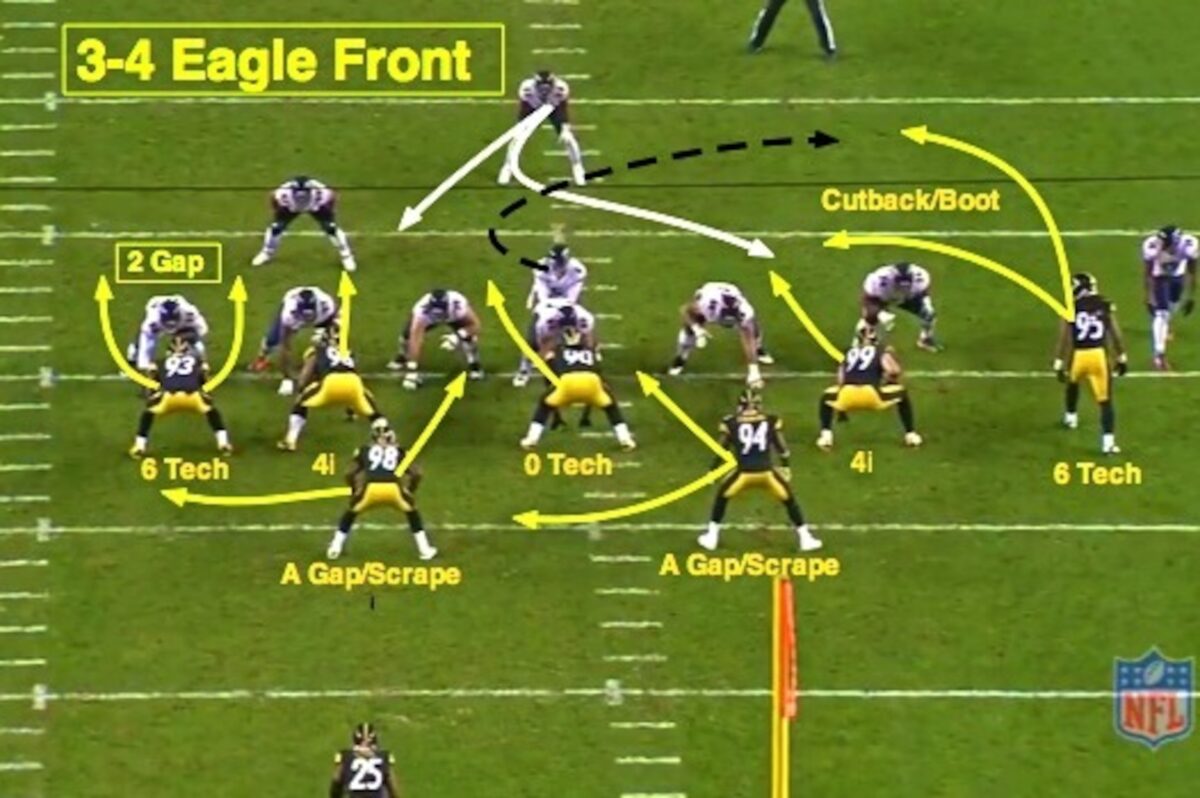
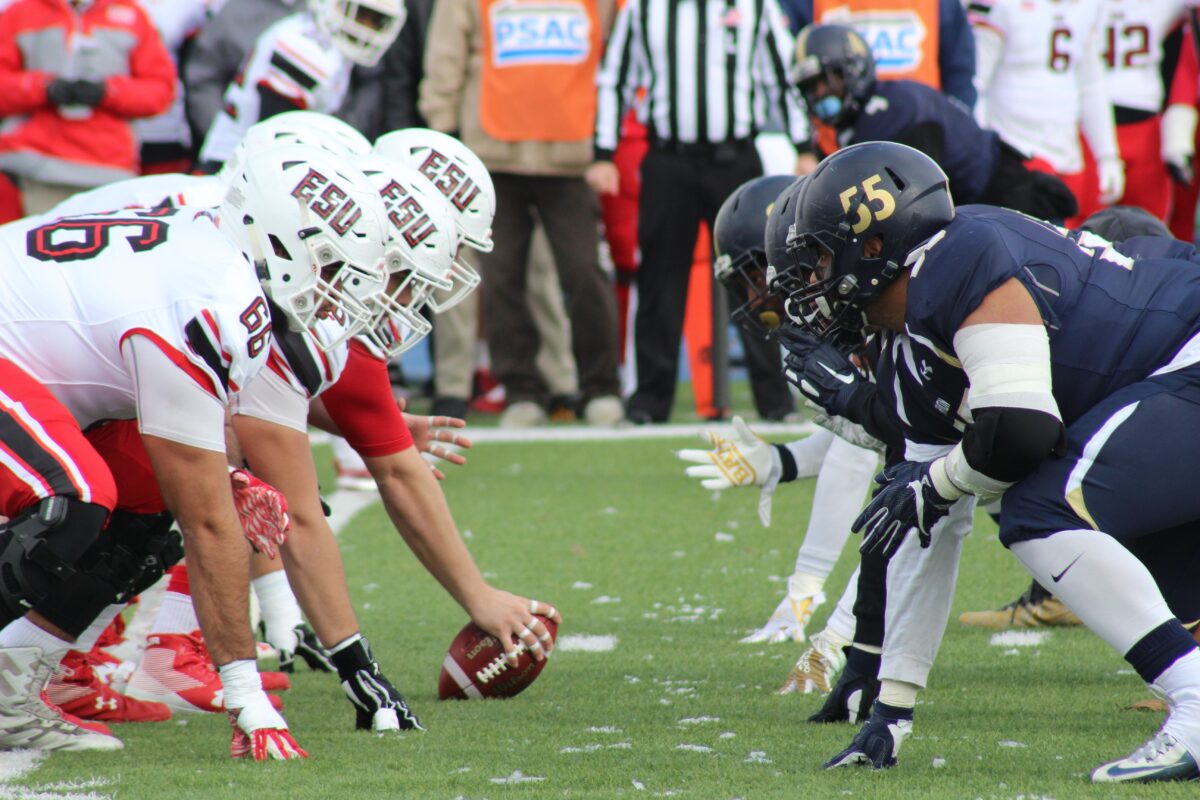
Offensive lines do not block defenders randomly. The center and quarterback identify the front, set a protection point and determine which threats the line, running back or tight end will handle. If the defense can influence that identification, it can create favorable one-on-one matchups.
For example, a linebacker aligned in the A-gap may cause the line to slide inside. If that linebacker drops at the snap while the nickel blitzes from the edge, the offense may have allocated blockers to a defender who never rushed.
The defense has not created an extra rusher. It has created a temporary numbers problem through information.
What Is a Creeper Pressure?
Terminology varies among coaching staffs, but “creeper” commonly describes a four-man pressure in which a second-level defender rushes and a defensive lineman drops. The goal is to create a blitz-like picture without sacrificing the coverage numbers of a standard four-man rush.
A typical example:
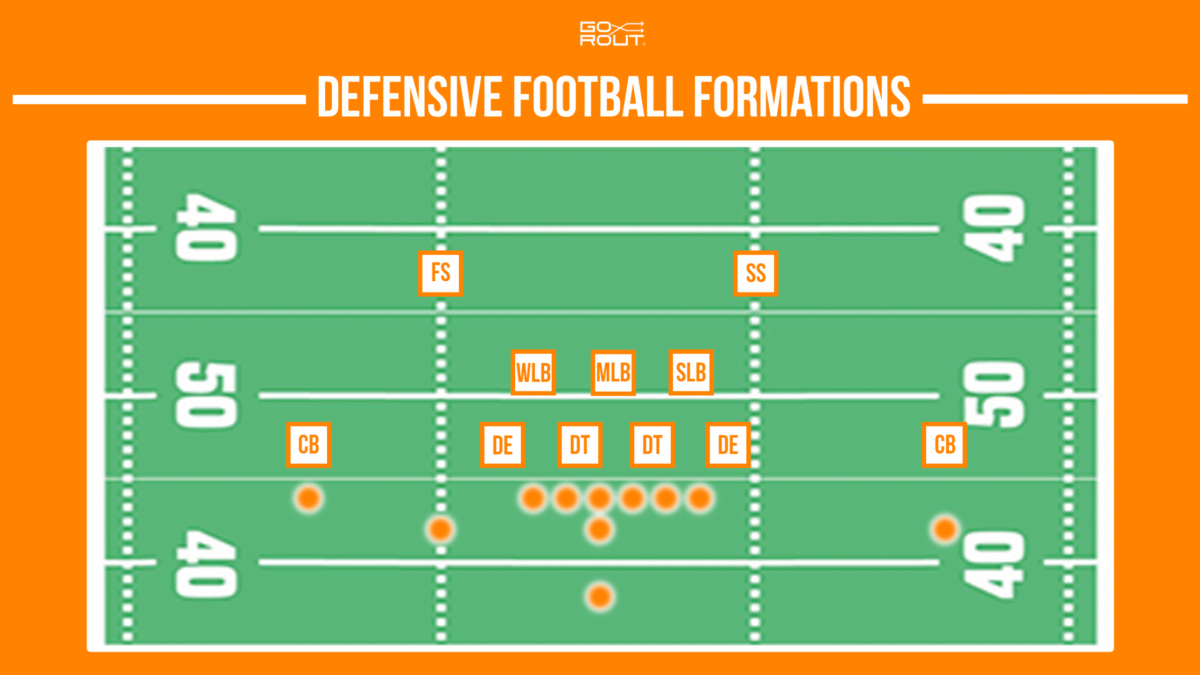
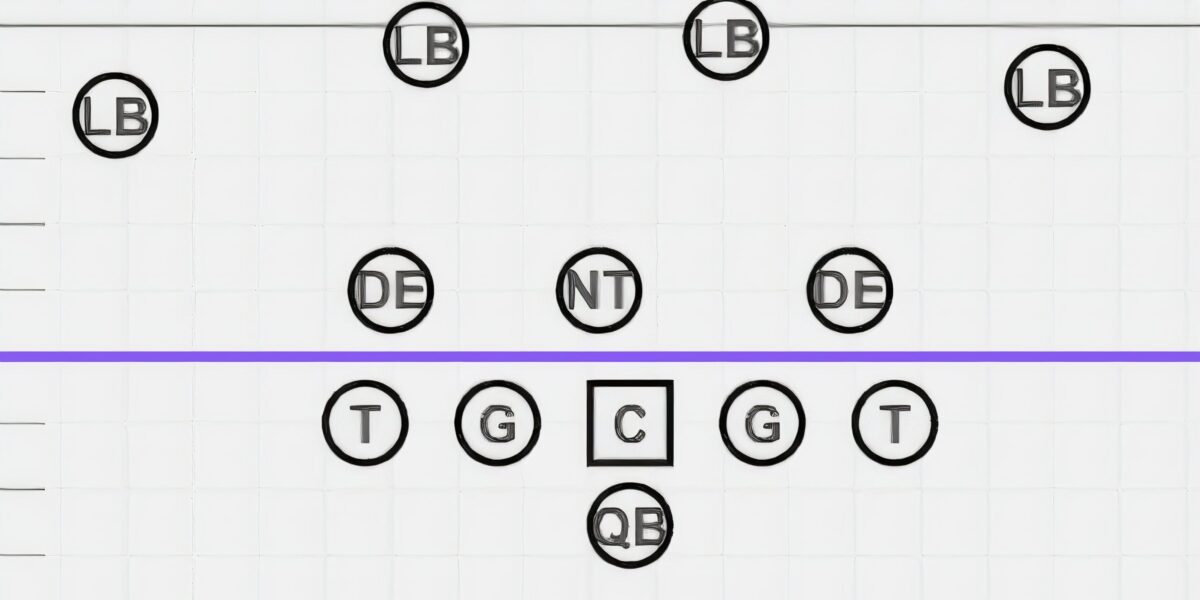
1. The defense shows four defensive linemen and two linebackers near the box.
2. A linebacker rushes through an interior gap.
3. The defensive end to the opposite side drops into an underneath zone.
#4The remaining rushers attack protection that may have slid toward the expected front.
The quarterback must process both the changed rush and the unexpected coverage player.
Why Two-High Safety Shells Make Pressure Harder to Read
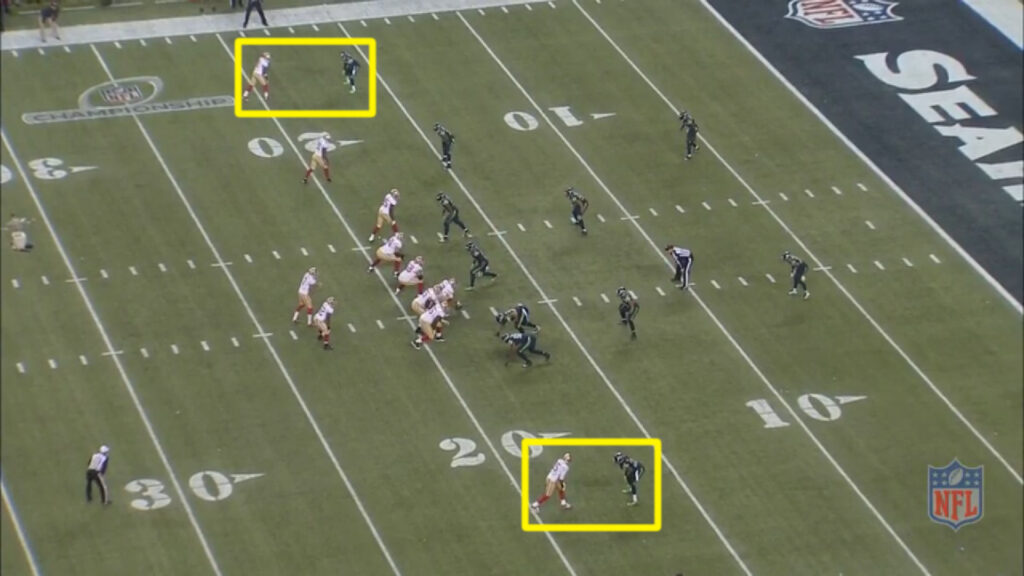
Traditionally, quarterbacks could use safety rotation as a clue for pressure. A defense showing one deep safety and another defender near the line might suggest man pressure or a specific rotation. Modern defenses can show two high safeties and still bring creative pressure underneath.
That creates a difficult pre-snap question: is the defense playing a conservative split-safety coverage, or is one of the underneath defenders about to rush?
NFL Next Gen Stats has documented the growth of split-safety coverage and the ability of aggressive defenses to blitz from those structures. Its analysis of the league's split-safety trend provides current context for how two-high concepts and pressure can coexist.
The Difference Between a Blitz and Simulated Pressure
Concept
Typical number of rushers
Main objective
Standard rush
4
Win one-on-one with front
Traditional blitz
5 or more
Create extra rusher or overload protection
Simulated pressure
Often 4
Change who rushes and manipulate protection
Creeper
Often 4
Rush second-level defender while dropping a lineman
These labels are useful for understanding concepts, but coaching terminology is not universal. One staff's “sim” may be another staff's “creeper.”
How the Defense Creates an Overload
A defense can create a local overload by manipulating where blockers are allocated.
An overload does not always mean more total rushers. It can mean more rushers attacking one side than the offense has immediately available blockers.
Suppose the offense slides three linemen to the left because two linebackers threaten interior gaps. At the snap, one linebacker drops and the defense brings the nickel from the right. The right tackle may now face two threats while the left side has an unused blocker.
The protection technically has enough bodies. They are simply distributed incorrectly for the rush that actually occurred.
Why Defensive Linemen Drop Into Coverage
A dropping lineman can occupy the quarterback's hot-throw window while another defender rushes.
A 280-pound defensive lineman is not expected to cover a slot receiver like a cornerback. His drop has a narrower purpose: occupy a short zone, take away a hot throw, obstruct the quarterback's vision or replace the area vacated by the blitzing linebacker.
If the quarterback expects to throw immediately into the area the linebacker left, finding a defensive end standing there can force a hesitation. That half-second may be enough for the rush to arrive.
The Role of the Hybrid Nickel Defender
Hybrid defensive backs can cover, blitz or rotate without changing personnel.
Modern nickel defenders are ideal pressure pieces because they can align near the slot, blitz from the edge, cover man-to-man or drop into zone. Their versatility prevents the offense from knowing whether alignment equals assignment.
A defense can show the same nickel alignment on three consecutive plays and produce three different outcomes:
• Nickel plays man coverage.
• Nickel drops into a zone.
• Nickel blitzes while another defender replaces him.
Quarterbacks and centers look for alignment clues while expecting the defense to disguise its intentions.
The quarterback and center search for clues, but defenses intentionally make those clues unreliable. Useful indicators include:
• Linebackers aligned unusually close to the line.
• A nickel defender showing edge pressure.
• A defensive end aligned in a position that makes a drop possible.
• Safeties communicating late.
• A front that shifts after the offense changes protection.
Motion can help reveal whether defenders are following receivers or preserving pressure alignment. That is one reason pre-snap movement is so valuable in modern offense.
When the quarterback expects more rushers than the protection can block, the offense often uses a hot answer—a route designed to become available quickly against pressure.
Common answers include:
• Slants.
• Quick outs.
• Running-back check releases.
• Tight-end seams.
• Receiver sight adjustments.
Simulated pressure attacks this logic. If the apparent blitzer drops into the hot window, the quarterback can throw directly into coverage. He must confirm who actually rushes after the snap.
Why Empty Formations Create a Different Challenge
Empty formations remove the running back from the backfield, making the protection structure more obvious. The offense gains five immediate receiving threats but often has fewer pass-protection options.
Defenses can use simulated pressure to force the quarterback to identify which five offensive linemen should block which threats. The quarterback may need to throw quickly because there is no back available to scan and help.
How Running Backs Help Against Pressure
When a back remains in the backfield, he can scan for a late rusher. That gives the offense an extra answer, but the back must identify the correct threat.
Against simulated pressure, the challenge is that a linebacker may appear to be the threat and then drop. If the back steps toward him unnecessarily, the actual blitzer can come free from another angle.
Pass-protection communication is why running backs are evaluated on far more than rushing. Our pass-protection guide explains how backs and tight ends assist the offensive line.
Pressure Without Sacrificing Deep Coverage
The strategic beauty of a four-man simulated pressure is that the defense can still play seven-man coverage. That means it can protect deep zones while presenting the quarterback with a blitz problem.
This differs from an all-out pressure that may leave defensive backs isolated. Simulated pressure attempts to create confusion without paying the same coverage price.
Split-Safety Blitzes
A split-safety blitz keeps two deep defenders while bringing pressure from underneath. The defense may send a linebacker or nickel and replace that zone with a dropping lineman or another underneath player.
The quarterback sees the deep protection of Cover 4 or Cover 6 while also facing a changing rush picture. That combination can discourage deep throws and speed up the quarterback at the same time.
How Offenses Counter the Trend
Offenses have several answers.
Motion and shifts
Movement can force the defense to communicate and may reveal pressure structure.
Play action
Run action can slow linebackers and create defined throwing windows, although poorly timed play action can also expose the quarterback to pressure.
Screen passes
Screens can punish aggressive rushers by allowing pressure to move upfield before the ball is delivered behind them.
Heavy personnel
Extra tight ends provide additional protection options and can make it harder for the defense to create a clean overload. Our heavy-personnel guide explains the broader trend.
Why Sacks Do Not Tell the Whole Story
A simulated pressure can succeed without producing a sack. If the quarterback checks down short of the first-down marker, abandons a deep route or throws earlier than intended, the defense may have achieved its goal.
Pressure time, quarterback movement and expected-value metrics can provide useful context beyond sacks. Our Next Gen Stats guide explains those analytical concepts.
What Fans Should Watch on Replay
1. Count how many defenders threaten the line before the snap.
2. Watch which defensive lineman drops.
3. Identify the linebacker or nickel who replaces him as a rusher.
4. See which direction the offensive line slides.
5. Look for an unused blocker away from the pressure.
#6Notice whether a dropping defender occupies the quarterback's quick throw.
Once you know where to look, a “free rusher” often turns out to be the result of protection manipulation rather than a missed block by one player.
Frequently Asked Questions
Is simulated pressure the same as blitzing?
Not exactly. A traditional blitz usually sends more than four rushers. Simulated pressure often rushes four but changes which defenders attack.
Why would a defensive lineman drop into coverage?
His job is usually to occupy a short zone or replace the area vacated by another rusher, not to cover like a defensive back.
Can a defense play Cover 4 while blitzing?
Defenses can pair split-safety structures with pressure concepts, although the exact coverage responsibilities depend on the call.
What is a creeper?
The term commonly refers to a four-man pressure where a second-level defender rushes while a defensive lineman drops, but terminology varies by coaching system.
Conclusion
Modern NFL pressure is increasingly about uncertainty rather than raw numbers. A defense does not need to send seven players to make the quarterback feel rushed. It can show six threats, rush four, drop an unexpected defender and force the offensive line to block a picture that disappears after the snap.
Split-safety shells make the tactic even more difficult because the defense can protect deep space while changing the rush underneath. In 2026, watch the players who do not rush as closely as the ones who do. The defender dropping away from the line may be the key to the entire pressure—and the reason a quarterback hesitates just long enough for someone else to arrive.