The NFL Running Game Revival: Why Bigger Personnel and Diverse Run Schemes Are Trending
RedZoneHQ Staff · Sep 10, 2026
The NFL Running Game Revival: Why Bigger Personnel and Diverse Run Schemes Are Trending For much of the 2010s, the NFL's offensive conversation centered on spread formations, three-receiver personnel and the explosive pa…
The NFL Running Game Revival: Why Bigger Personnel and Diverse Run Schemes Are Trending
For much of the 2010s, the NFL's offensive conversation centered on spread formations, three-receiver personnel and the explosive passing game. Passing remains essential, but the strategic environment has changed. Defenses became lighter, faster and more comfortable playing nickel. Two-high safety structures grew. Edge rushers became increasingly disruptive. In response, offenses began searching for ways to control the box again.
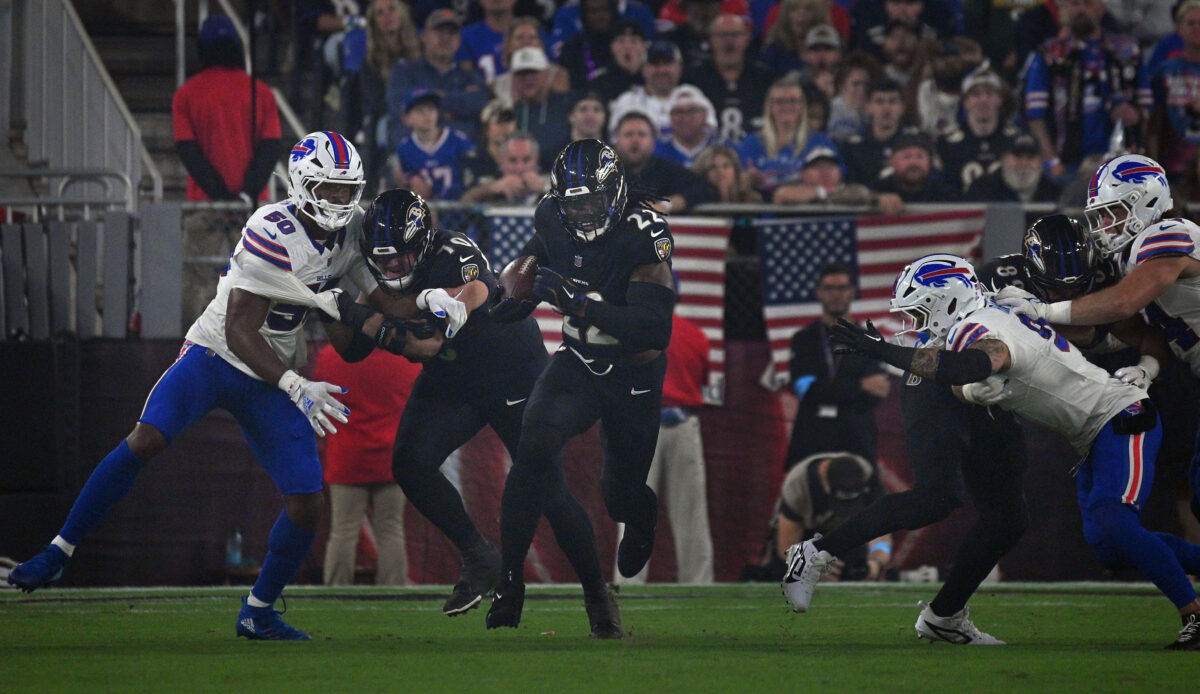
The result is not a return to predictable “three yards and a cloud of dust” football. The modern running-game revival is built on multiplicity. Teams are using heavier personnel, condensed formations, motion, outside zone, duo, counter, gap schemes and quarterback movement to make the run game look different from snap to snap. The goal is to force the defense to fit every gap correctly while also respecting play action and misdirection.
This guide explains why the run game is becoming strategically important again, how modern schemes differ, why multiple tight ends matter and what fans should watch in 2026.
Why Defenses Created the Opportunity
NFL defense evolved to stop explosive passing. Teams added defensive backs, prioritized coverage speed and built fronts capable of rushing the passer without sending extra blitzers. Nickel personnel became common enough that many teams effectively treated it as their base defense.
That created a simple offensive question: if the defense is built to cover three receivers and protect deep space, can the offense force it to tackle bigger bodies repeatedly?
NFL Next Gen Stats highlighted the league-wide return of heavier offensive packages after the 2025 season. Its analysis of the heavy-personnel trend showed how teams increasingly used multiple tight ends, fullbacks and extra linemen to challenge lighter defenses.
Running the Ball Is About Numbers and Angles
A rushing play is not successful simply because the offensive line is more physical. The offense wants enough blockers for the defenders near the point of attack and favorable angles to move them.
Before the snap, the quarterback or center may count defenders in the box. Motion can change the count. A tight end can shift from one side to another, creating an additional gap. A receiver can move inside to block a safety. The ball carrier then reads how those blocks develop.
Modern run design is therefore a geometry problem as much as a strength contest.
Outside Zone: Stretch the Defense Horizontally
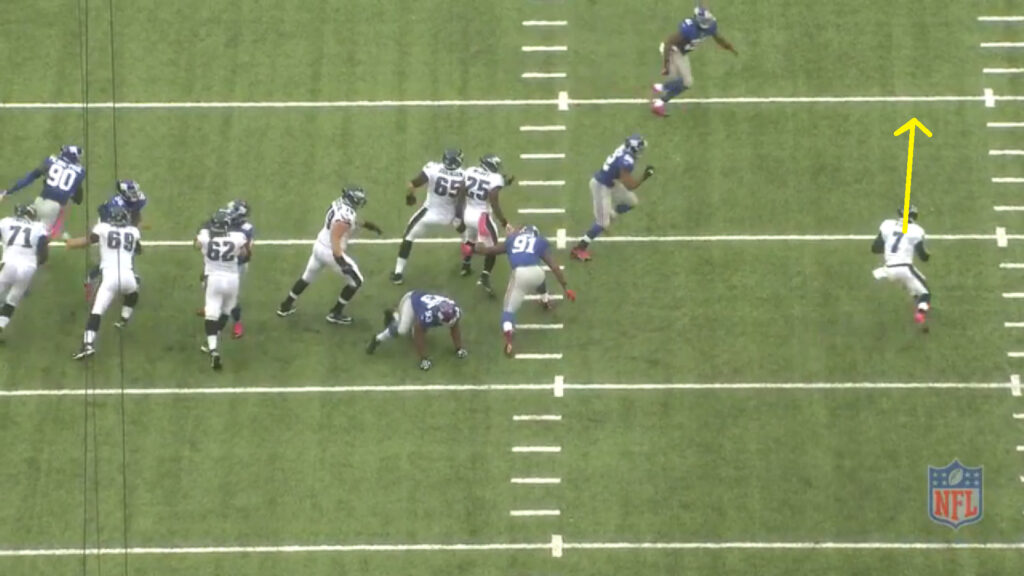
Outside zone stretches the front before the runner chooses the best path.
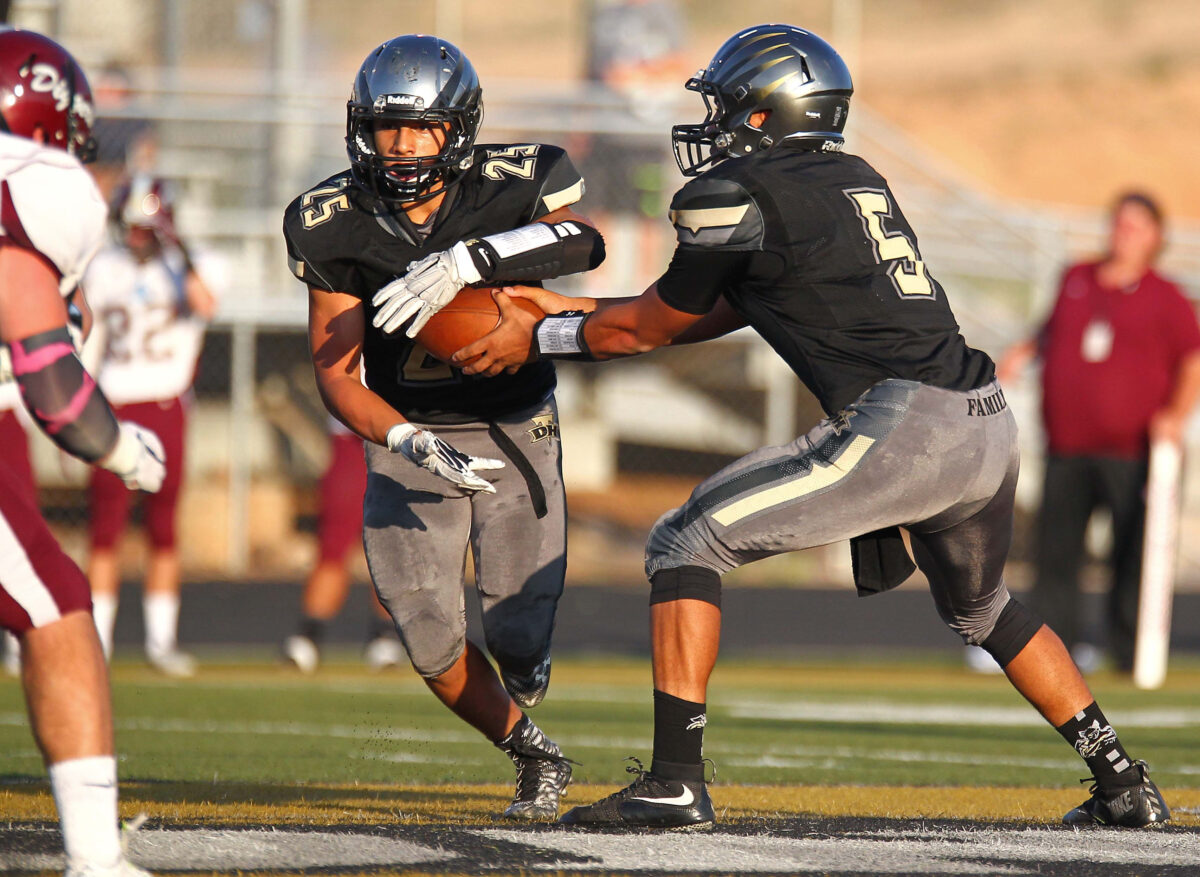
Outside zone asks the offensive line to move laterally and create horizontal displacement. The running back presses a landmark and reads the defenders. Depending on leverage, he may bounce outside, hit the intended lane or cut behind an over-pursuing front.
The scheme is powerful because one run can produce several possible paths. The back's vision matters as much as the initial blocking call.
Why outside zone pairs with play action
The same lateral line movement can sell a run fake while the quarterback boots away from the flow. Linebackers who step toward the run can create space for crossing routes and tight ends.
Duo: A Physical Run With Flexible Reads
Duo relies on vertical double teams and the running back's second-level read.
Duo is often described as a power-style run without a pulling lineman. The offensive line creates double teams and works toward linebackers while the running back reads second-level movement.
The play can look simple, but it demands excellent communication. Offensive linemen must know when to leave a double team and climb. The back must understand which linebacker is influencing his cut.
Duo is especially useful from multiple-tight-end personnel because the offense can create extra gaps and force the defense to declare its front.
Counter and Gap Schemes
Gap schemes use angles and pullers to create a defined point of attack.
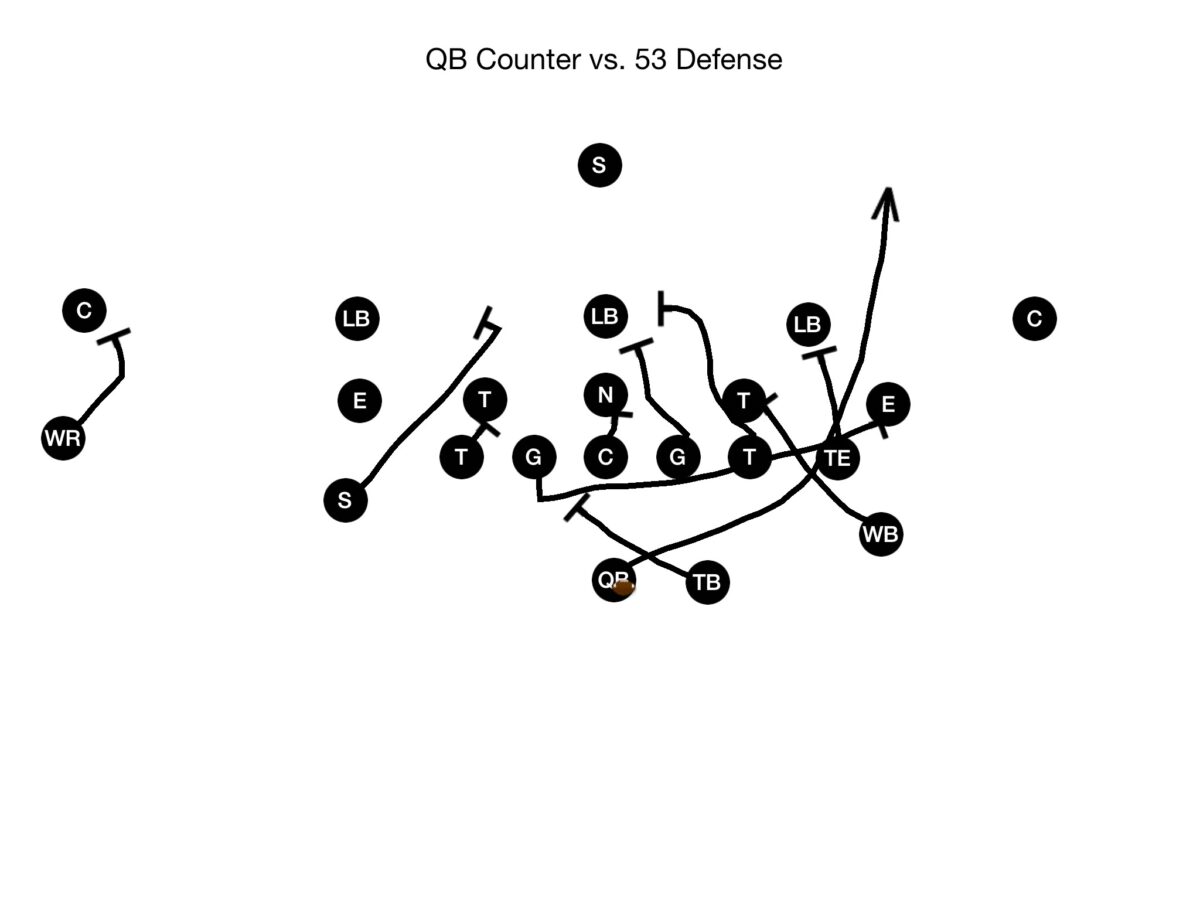
Gap schemes use down blocks and pulling linemen to create a defined point of attack. Counter adds misdirection: the back may initially step one direction before following pullers the other way.
The movement can punish fast-flowing defenses. Linebackers are trained to diagnose the first steps of the offensive line and backfield. Counter gives them an initial picture that may lead them away from the actual run.
What pulling linemen accomplish
A pulling guard or tackle can create a numbers advantage at the point of attack. Instead of asking every lineman to win the defender directly in front of him, the offense can down-block defenders and bring a blocker from another area.
Why Heavy Personnel Helps the Run Game
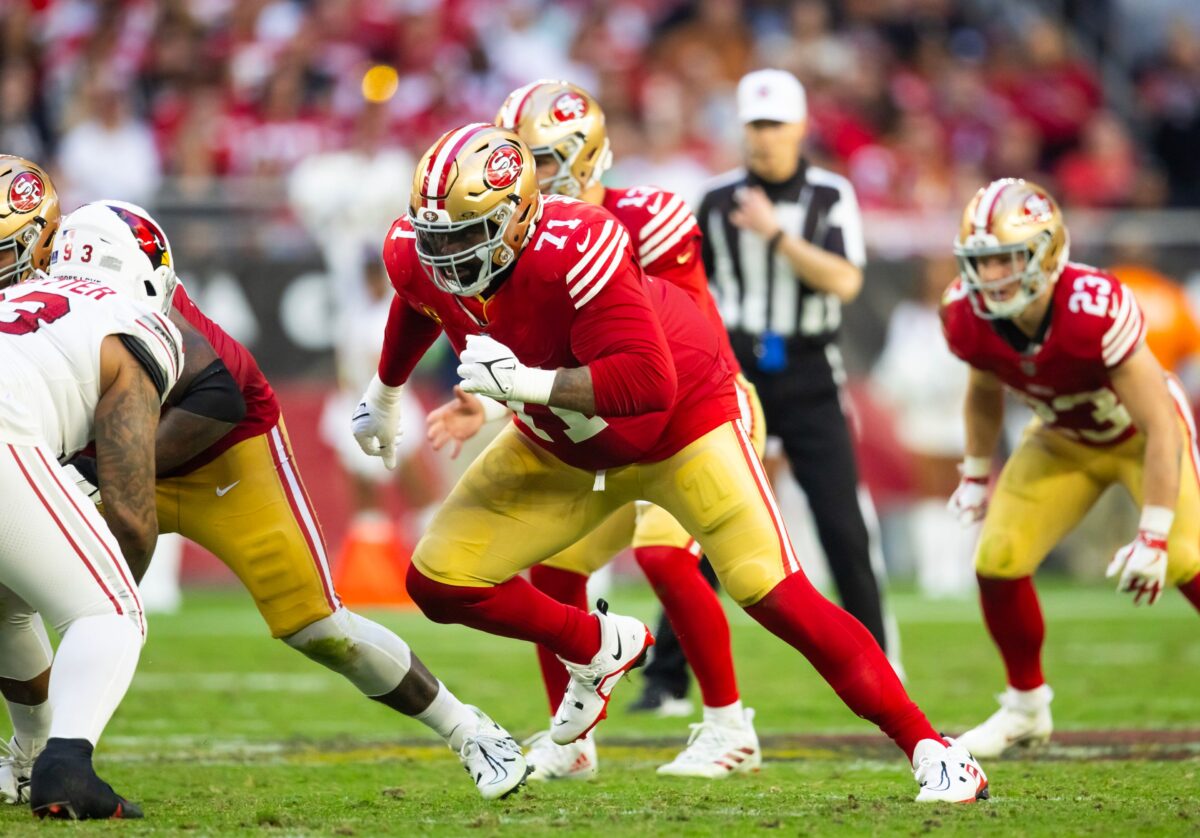
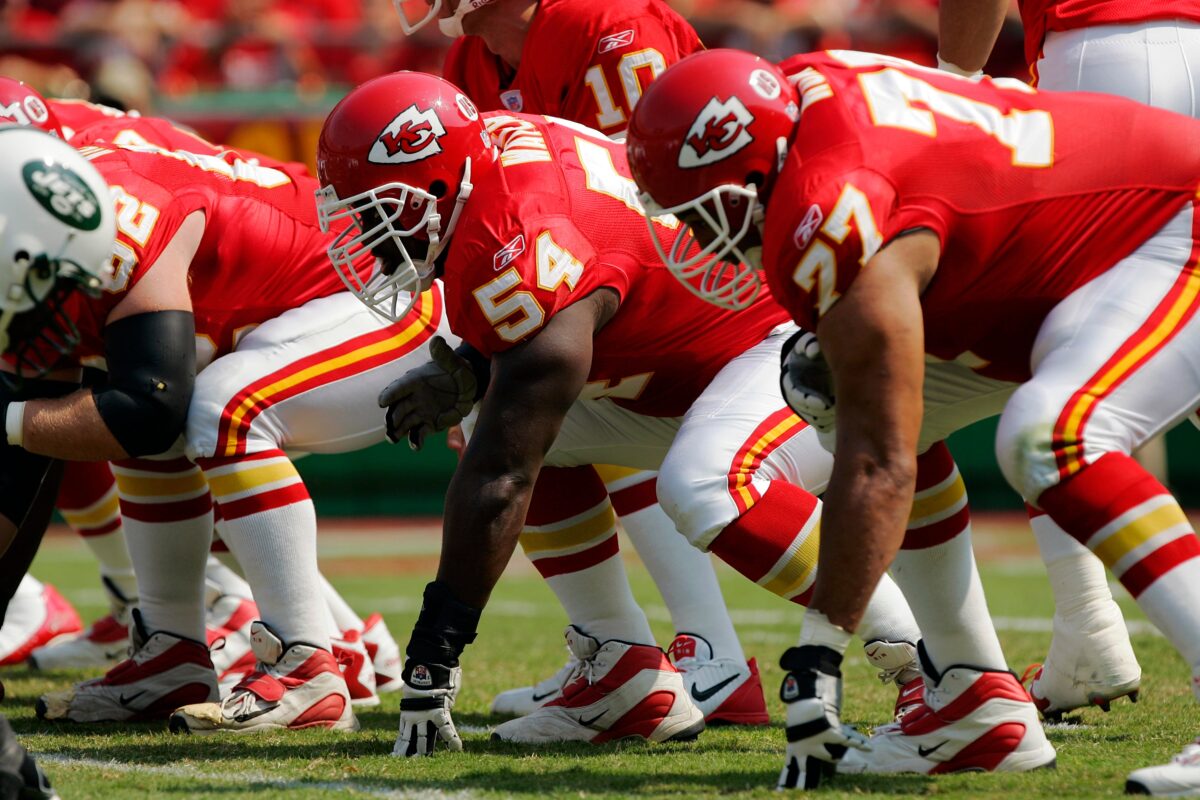
Two and three tight-end sets create additional blocking surfaces. That means the defense must account for more potential gaps. A tight end aligned outside the tackle can create a new edge. A second tight end can shift or motion, changing the formation strength moments before the snap.
But the real value comes from unpredictability. If the offense only ran from heavy personnel, defenses could simply load the box. Modern teams keep the same big players on the field and throw from those formations.
Bringing receivers closer to the formation does more than help the passing game. A condensed receiver can crack a safety, block a corner from a better angle or motion across the formation to influence pursuit.
Defenders also have less time to identify the final strength of the formation. If the offense shifts and motions late, the defense may need to update run-fit communication immediately before the snap.
Modern fullbacks can block, motion and contribute as receivers from multiple alignments.
The traditional fullback disappeared from many NFL offenses as three-receiver personnel grew, but the position has not vanished. Some teams now use fullbacks as movable chess pieces rather than stationary lead blockers.
A fullback can:
• Lead through a gap.
• Motion across the formation.
• Align as an H-back or tight end.
• Release into the flat.
• Protect the quarterback.
• Force the defense to match heavier personnel.
The player does not need a large number of touches to have strategic value. His presence can change the defensive front.
Quarterback Runs Change the Math
The quarterback run threat forces the defense to account for an additional ball carrier.
Traditional run defense can gain a numbers advantage because the quarterback normally hands the ball off and becomes irrelevant as a blocker. A quarterback run or read-option concept changes that math. The defense must account for the quarterback as a potential ball carrier.
Even quarterbacks who do not run frequently can influence a backside defender with a read. If the edge crashes hard on the running back, the quarterback may keep the ball. If the defender stays home, the running back receives a cleaner path.
The threat can matter even when the quarterback rarely carries.
Run-Pass Options and Conflict Defenders
Run-pass options, commonly called RPOs, place a defender in conflict. The offensive line blocks a run while the quarterback reads a linebacker, safety or overhang defender. If that defender commits to the run, the quarterback can throw behind him. If the defender stays in coverage, the offense runs the ball.
The concept makes it difficult for one defender to be right twice. He cannot simultaneously fill the run and cover the passing window.
How Two-High Safety Defenses Affect the Run
Two-high shells can leave fewer defenders immediately near the line of scrimmage. Offenses often interpret that as an invitation to run. The defense counters by asking safeties to trigger quickly and linebackers to fit precisely.
This creates one of the NFL's most important tactical loops:
1. Passing offenses force defenses into two-high coverage.
2. Two-high structures create lighter boxes.
3. Offenses run more efficiently against those boxes.
4. Defenses bring safeties down or change personnel.
#5Offenses use play action against the adjusted structure.
A productive run game can reduce the pass rusher's freedom. If an edge defender attacks too aggressively upfield, the offense may run underneath him. If linebackers must respect run action, play-action passes can slow their drops.
That does not mean “establishing the run” magically makes every pass easier. It means a credible rushing threat can influence defensive technique and create complementary play calls.
Explosive Runs vs. Consistent Runs
Average yards per carry can be misleading. One 70-yard run can make an otherwise inefficient day look productive. Coaches need both explosive potential and down-to-down consistency.
The running-game revival does not reduce the importance of receiving. A back who can run routes and catch passes prevents the defense from identifying the play based on personnel.
Third-down value also depends on pass protection. A running back who cannot identify pressure may leave the field in the most important passing situations, limiting the offense's flexibility.
How Defenses Counter the Modern Run Game
Defenses have several responses:
• Use larger nickel defenders who can fit the run.
• Play five-man fronts to cover more gaps.
• Slant defensive linemen to disrupt zone tracks.
• Rotate a safety down late.
• Blitz into expected run lanes.
• Use hybrid linebackers and safeties who can handle both run and pass.
Instead of tracking only rushing yards, watch the structure around the run.
Game-day checklist
1. Count tight ends and backs in the personnel group.
2. Find the two safeties and see whether one rotates down.
3. Watch whether a guard or tackle pulls.
4. Notice the running back's initial landmark.
5. Look for motion changing the strength of the formation.
#6On the next similar look, see whether the offense uses play action.
The best run games tell a story over several snaps.
Run Scheme Quick Comparison
Scheme
Core idea
What the back reads
Outside zone
Stretch defense horizontally
Leverage and cutback lanes
Duo
Double teams and vertical movement
Second-level linebacker
Power
Down blocks plus puller
Designed point of attack
Counter
Misdirection plus pullers
Flow and created gap
Read option
Leave one defender unblocked and read him
Quarterback decides give/keep
Frequently Asked Questions
Is the NFL becoming a run-first league again?
No. Passing remains central to NFL offense. The trend is toward using the run game more creatively to punish defensive structures built to stop the pass.
Why are teams using more tight ends?
Multiple tight ends can add blocking power while preserving receiving flexibility, making the personnel harder to match.
What is the difference between zone and gap running?
Zone schemes emphasize blocking areas and defender leverage, while gap schemes more often use down blocks and pullers to create a defined point of attack. Real offenses use many variations of both.
Does a good run game help the quarterback?
It can create lighter pass-rush situations, support play action and force defenses to adjust personnel or safety alignment.
Conclusion
The NFL running-game revival is not nostalgic football. It is a modern answer to modern defense. As opponents became faster, lighter and more comfortable in two-high coverage, offenses began using bigger personnel and more diverse run schemes to create new problems.
In 2026, the most interesting rushing attacks will not be defined by one favorite play. They will combine outside zone, gap concepts, motion, quarterback threats, condensed formations and play action so that the defense cannot solve the run without exposing something else. The run game matters again not because the NFL stopped evolving, but because it kept evolving.